This is a guest post by Gretchen Holcombe from Boxy Colonial on the Road. It is part one of a three-part series of podcasts about her family’s epic RV trip to Western Canada and the Canadian Rockies. In this first entry Gretchen take a close look at Calgary and Banff.
Our family had been dreaming of a Canadian Rockies RV road trip for years. But we’d done several great trips to Rocky Mountain destinations in the US—Grand Teton, Glacier National Park, Rocky Mountain National Park—and we wondered if the Canadian side of things would just feel like more of the same. After spending a couple of weeks exploring the region over the summer, we can definitively say that the Canadian Rockies are at least as impressive as their counterparts to the south and that they show off in completely different ways and are well worth the trip no matter how many gorgeous mountains you’ve been lucky enough to visit in the past.
Our Canadian Rockies adventure took us to four different national parks and included stays in four different campgrounds. In this post I’m talking about our first two stops: at the Okotoks Lions Campground outside of Calgary and at Bow Valley Provincial Park in Canmore, a few minutes away from Banff National Park.
Calgary
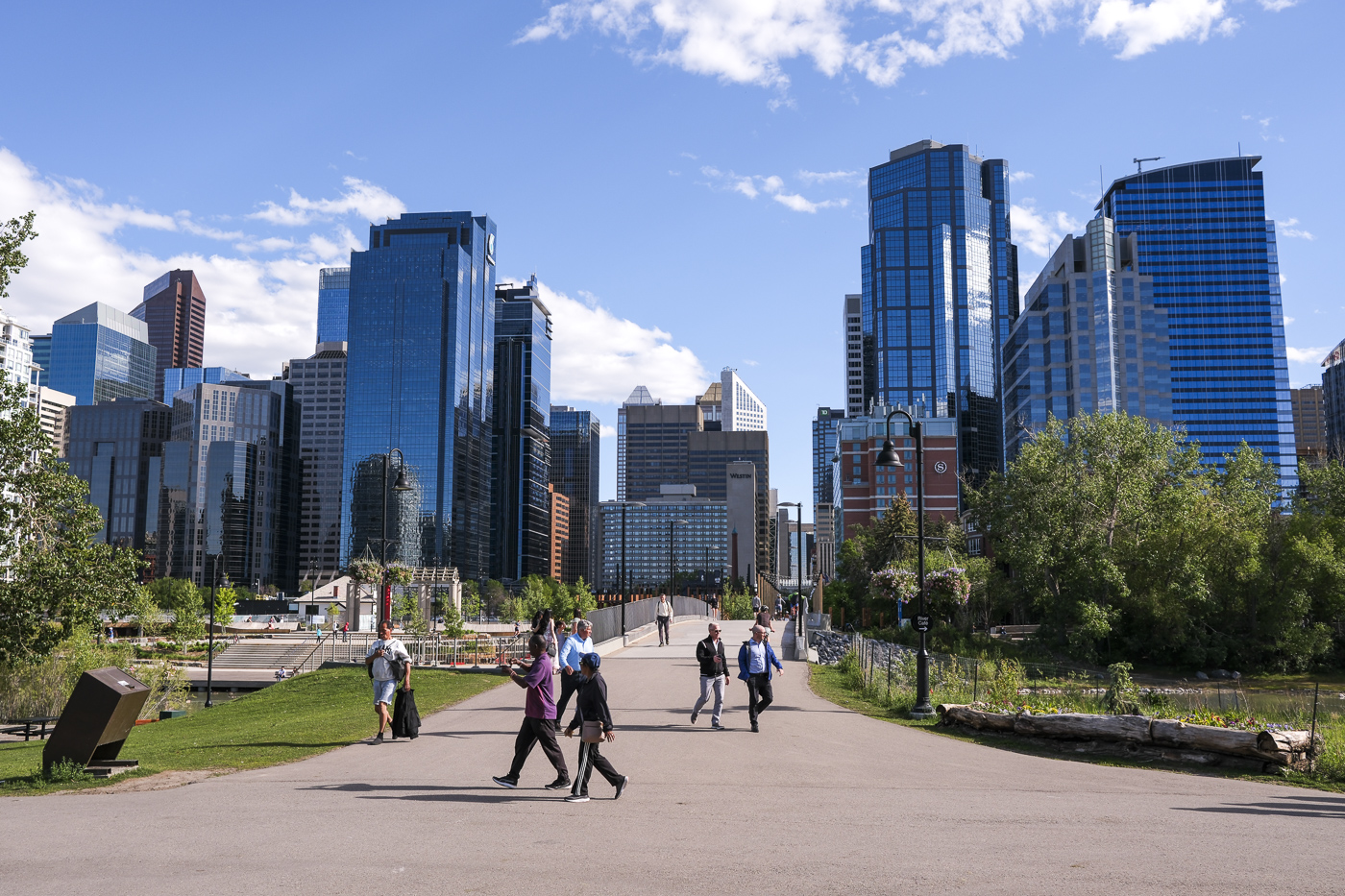
Calgary, Alberta is an easy 80 mile drive from Banff and home to the closest major airport, so it’s a very common first and last stop for people who fly in to visit the Rockies. But it’s also a vibrant city in its own right with a ton to offer, so I recommend spending some time exploring here before rushing off to the mountains if you can.
Okotoks Lions Campground
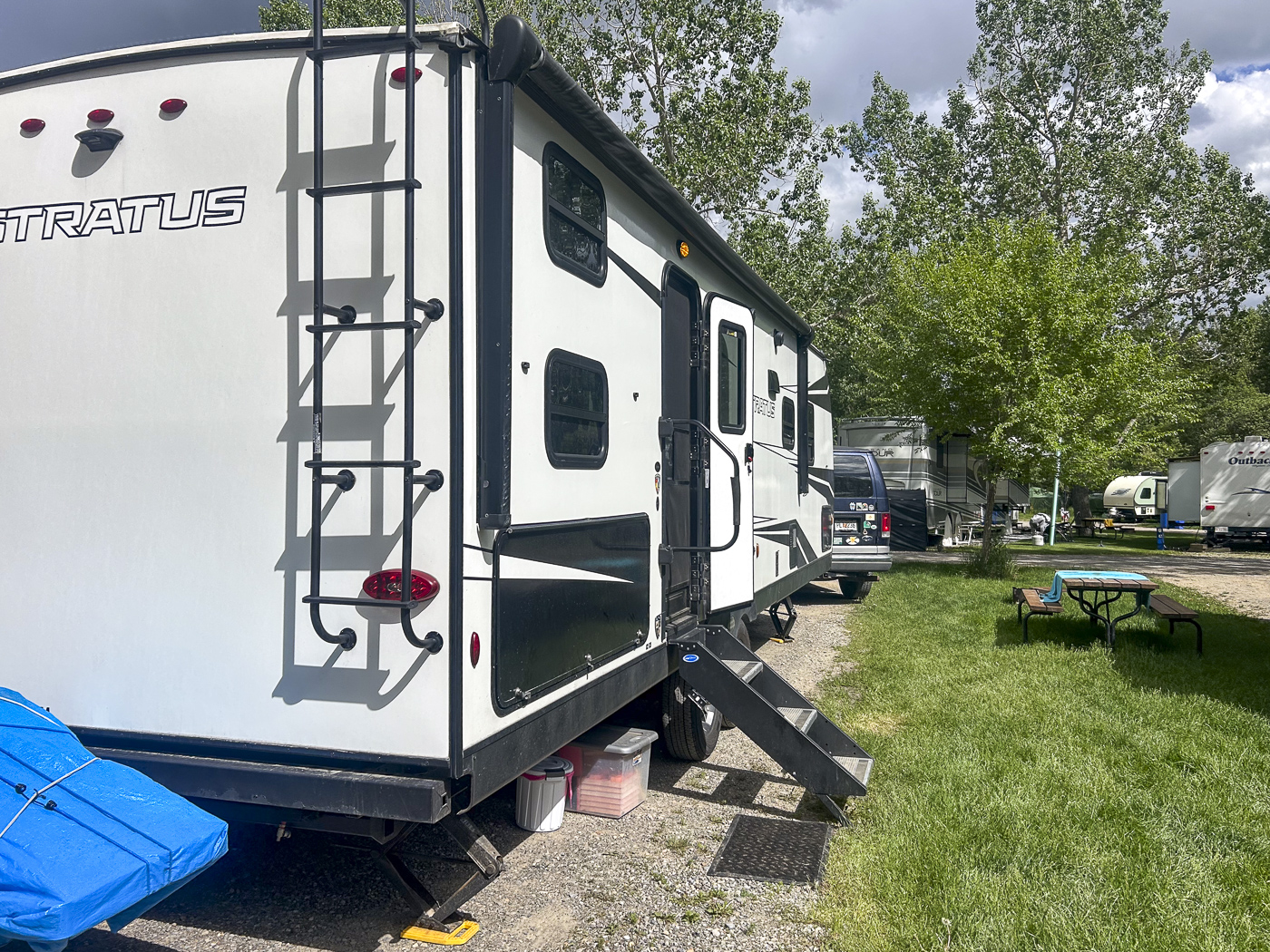
The Okotoks Lions Campground was our base camp for exploring the city. We were pleasantly surprised by how much we enjoyed spending time in the small suburban city of Okotoks as well; the campground is right on the Sheep River and is an easy pleasant walk along a paved path from the charming downtown area with shopping and restaurants. Everything else you might need as far as groceries and other services is a short drive away. The campground offers 55 spacious, well-maintained full hook-up sites for only $50 Canadian/night. There’s a small camp store, a clean and modern bathhouse (with pay showers), and a huge community playground right at the entrance to the campground. Wi-fi is available for a small daily fee, and we found it very speedy and reliable.
Downtown Okotoks is packed with adorable coffee shops, bakeries, breweries, and shops. A couple of our favorites were 94 Take the Cake, with its quirky black and white decor and beautifully decorated baked goods, and Brew and Scoop Co. ice cream and coffee shop, with a great outdoor seating area in the heart of town.
Things to do in Calgary
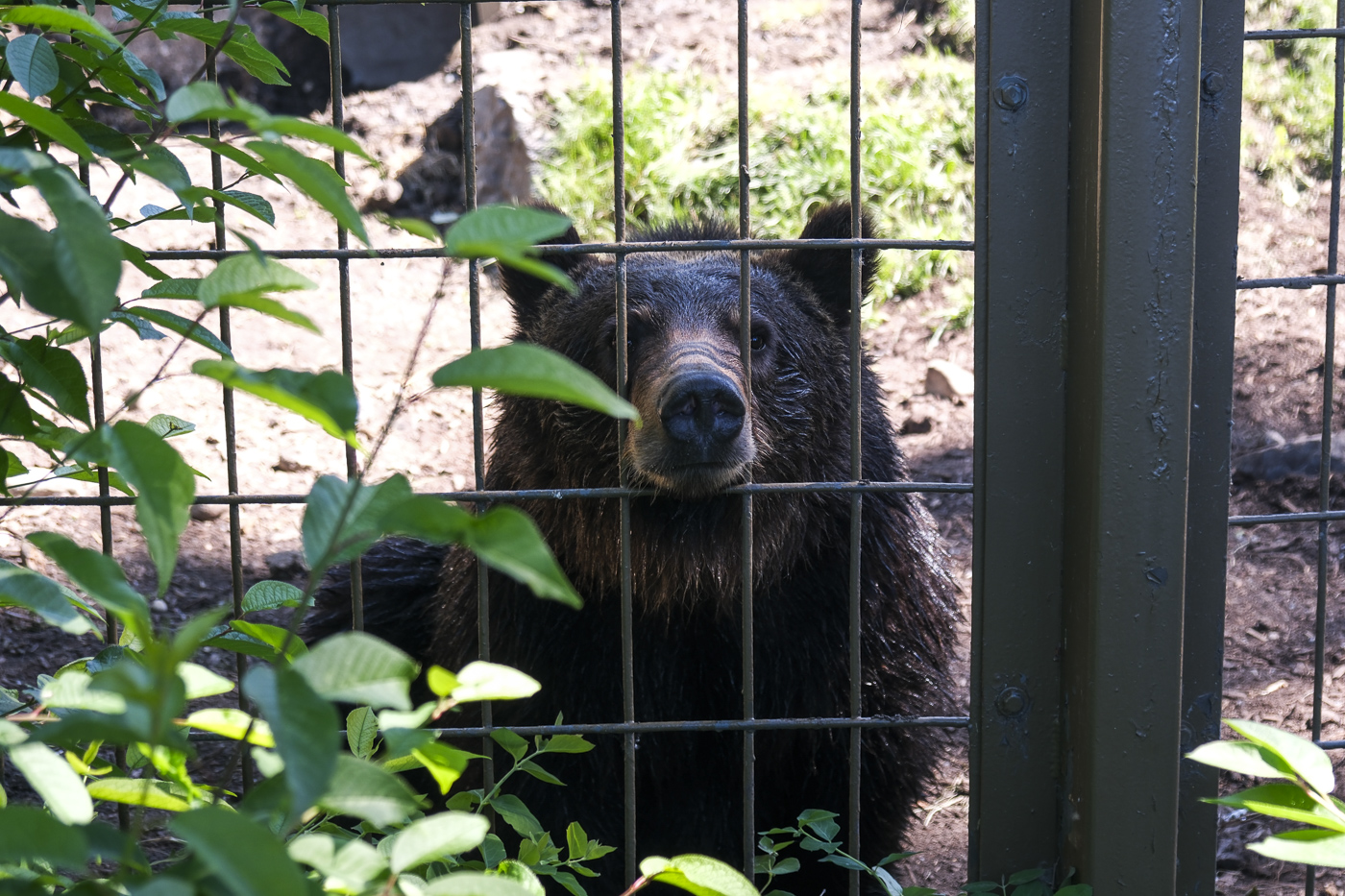
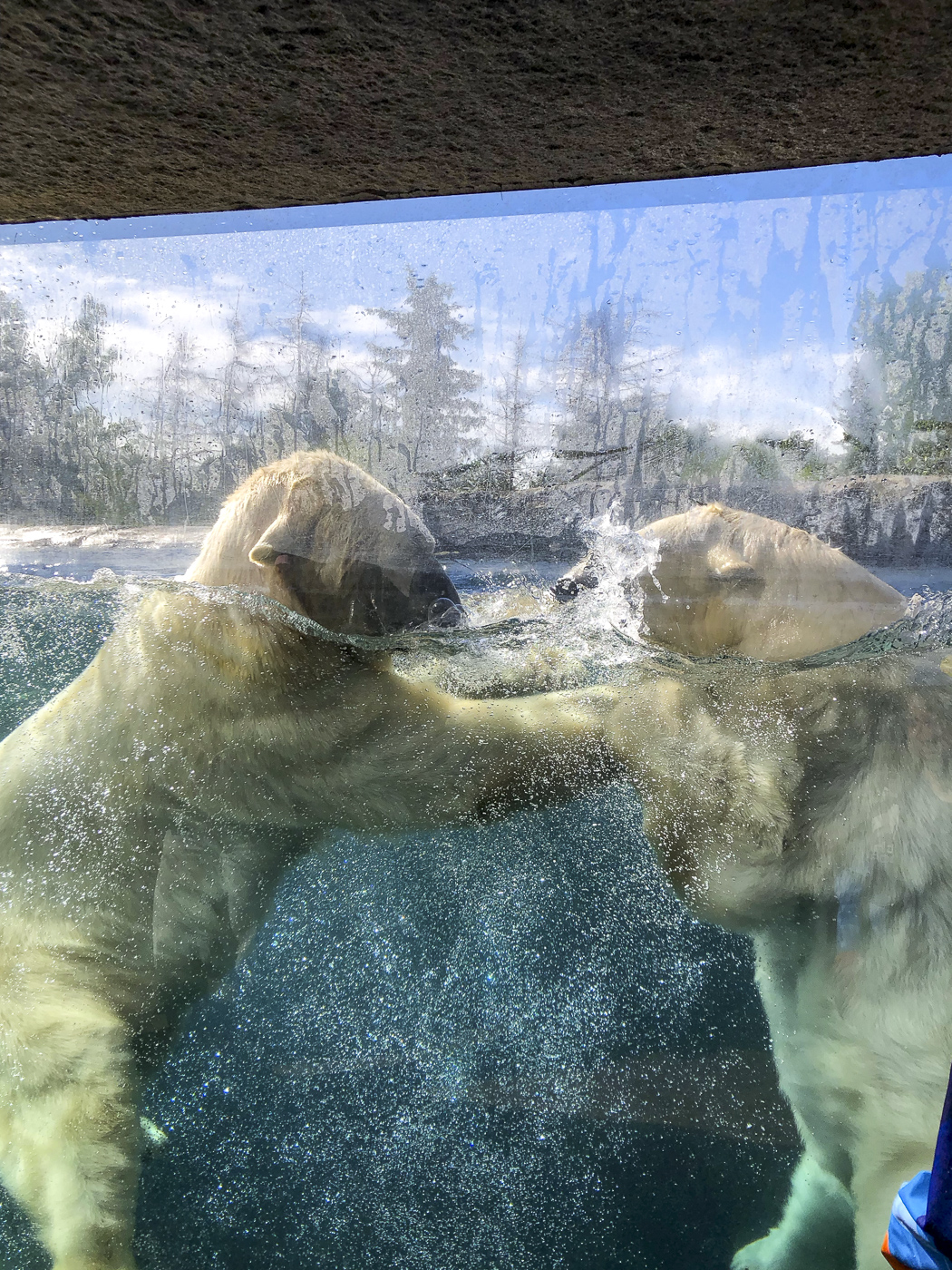
The Wilder Institute’s Calgary Zoo might be our favorite zoo we’ve ever visited, largely on the strength of its very playful polar bears. It’s Canada’s most visited zoo and has over 1000 animal residents; in addition to the polar bears, we were especially fond of the penguin and grizzly bear habitats. If you happen to be there on a Sunday, the Sunday Safari buffet brunch is an excellent value; my husband and son still reminisce fondly about the chocolate fountain.
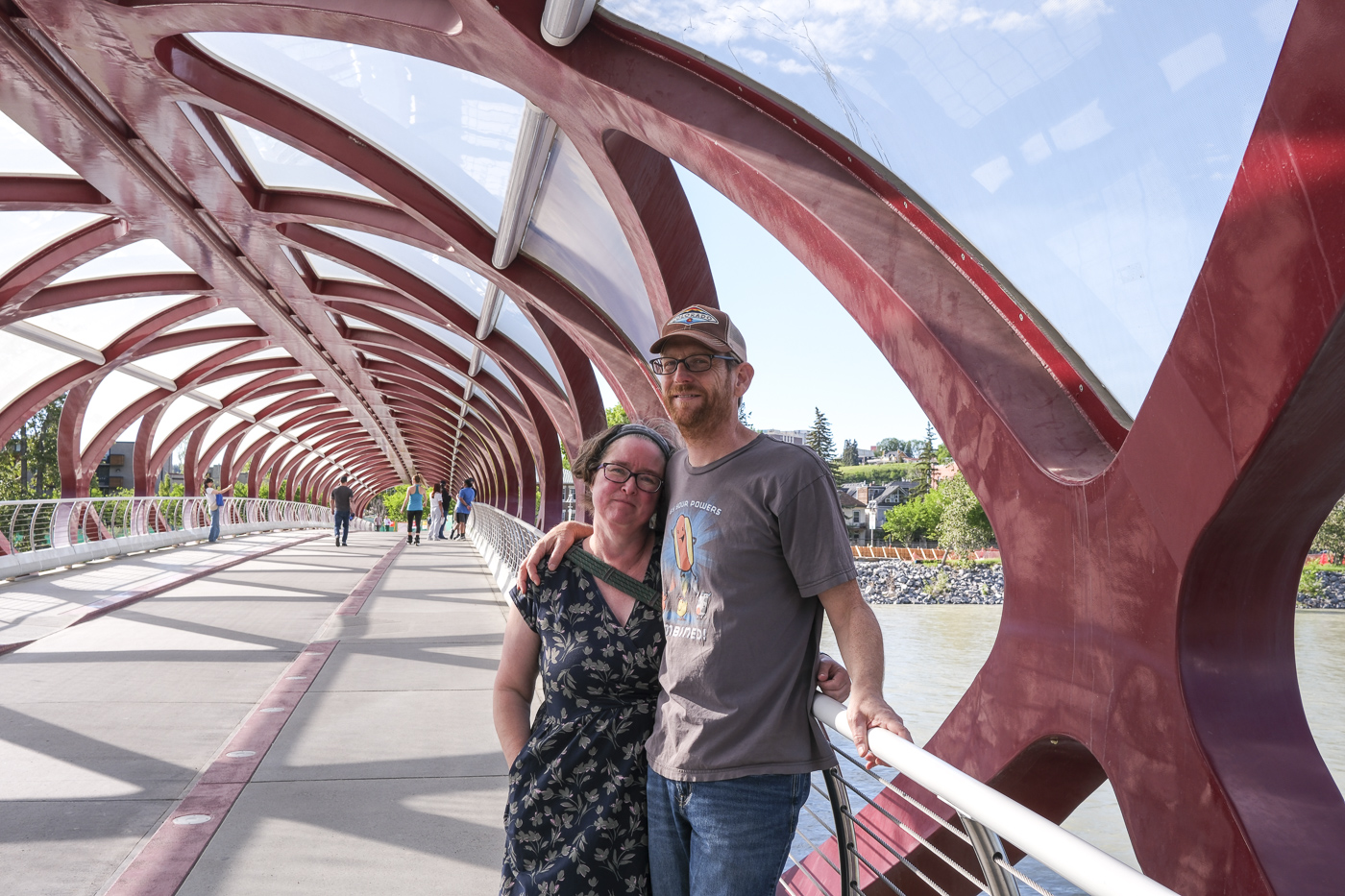
I came across a self-guided walking tour on the Fearless Female Travel blog, and we used this as our guide to exploring some of Calgary on foot. The tour took us through the stunning public library, past some fun public art, and finally to the lovely urban oasis of Prince’s Island Park and the iconic Peace Bridge. From there we made our way to the hip neighborhood of Kensington and stopped in for snacks and games at the Hexagon Board Game Cafe.
Canmore and Banff National Park
Bow River Campground
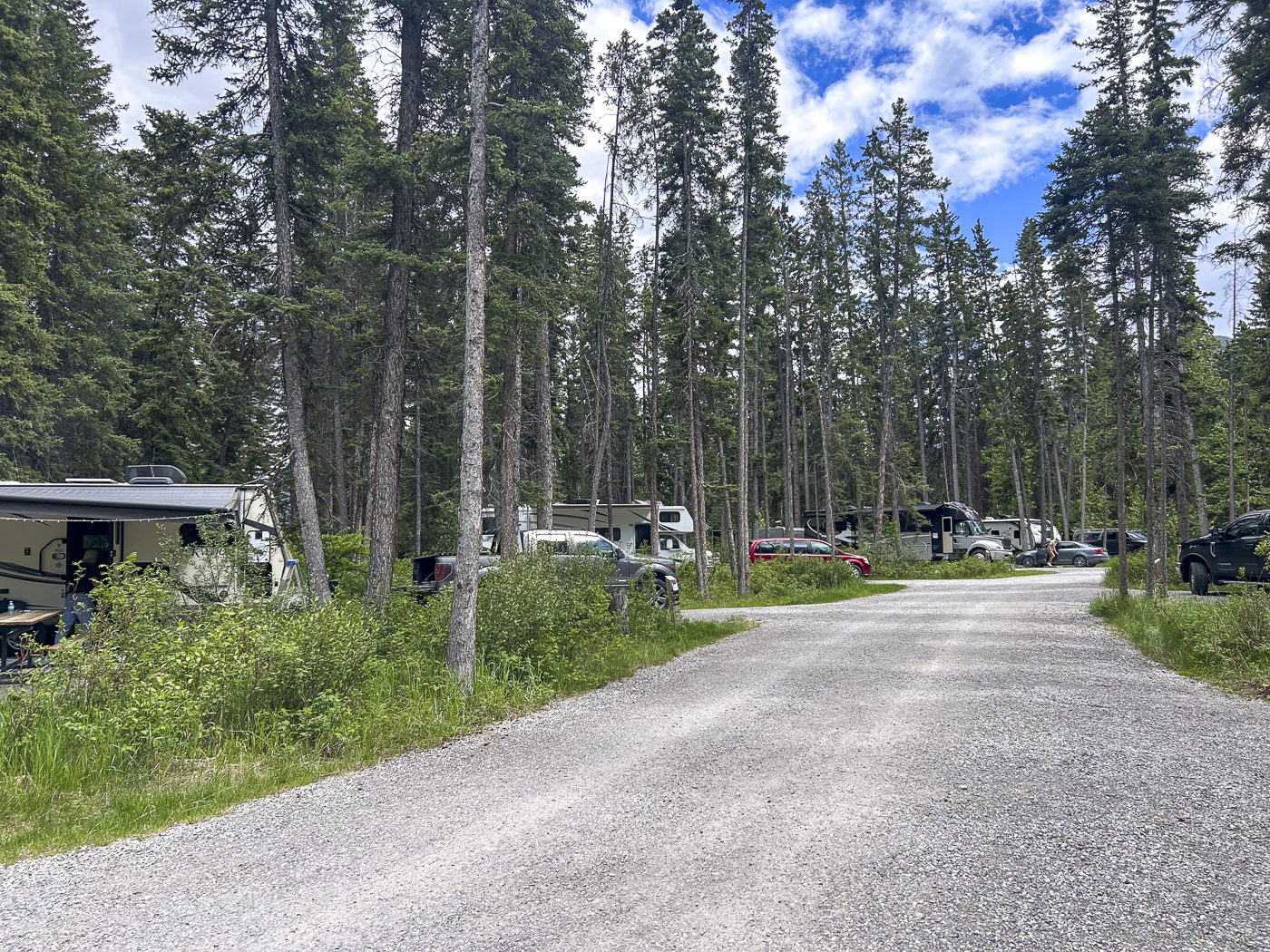
To be honest, Bow River Campground was not our first choice for this leg of our trip. We’d planned to stay at Tunnel Mountain Trailer Court right near the town of Banff. However, reservations proved even more competitive than I had anticipated, and we found ourselves shut out even though I was online the second reservations opened up. Luckily, Bow River is a terrific alternative just down the road in Canmore. A lot of people actually prefer staying in Canmore when visiting Banff National Park because it’s a little more laid back and less congested.
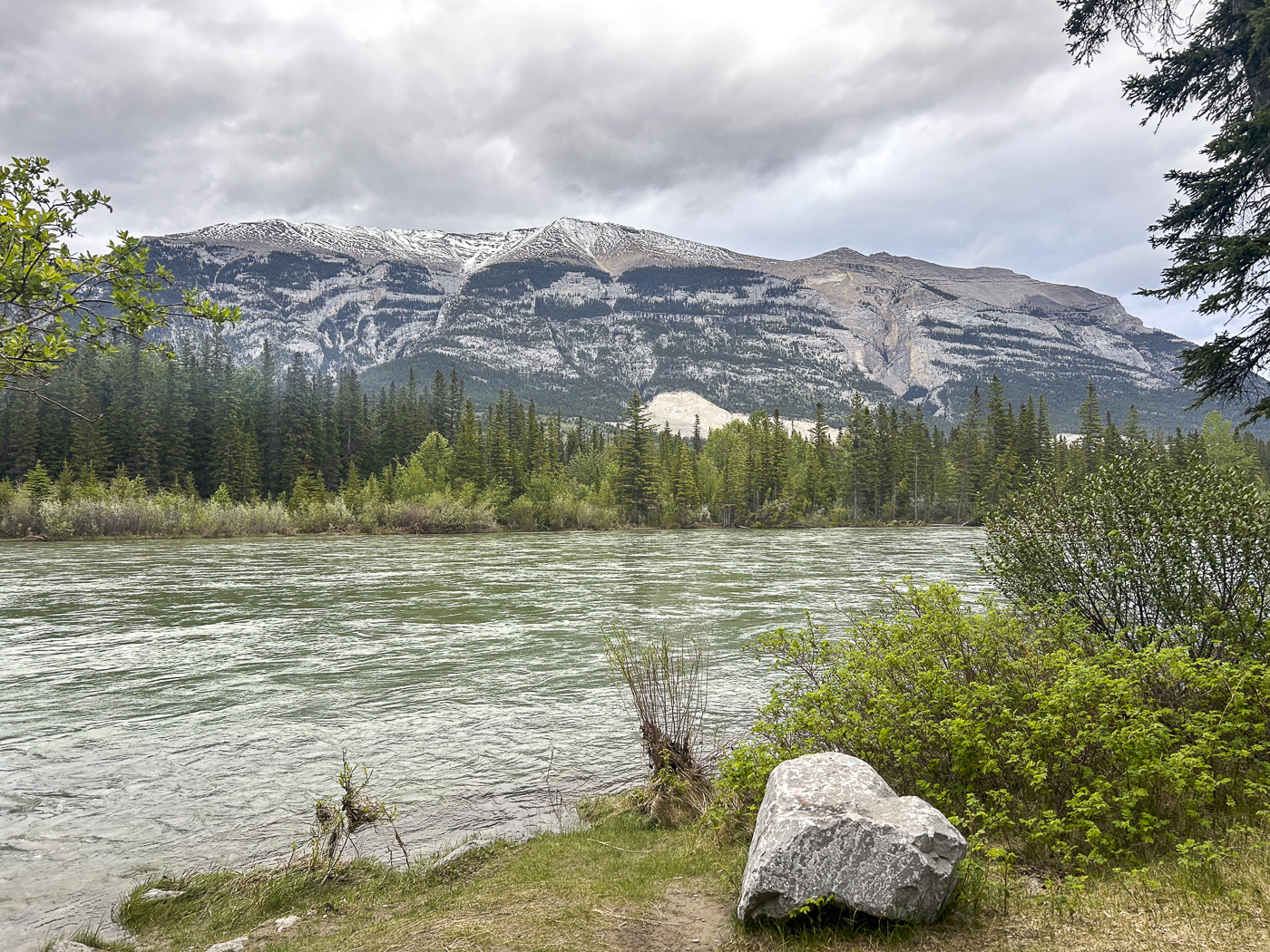
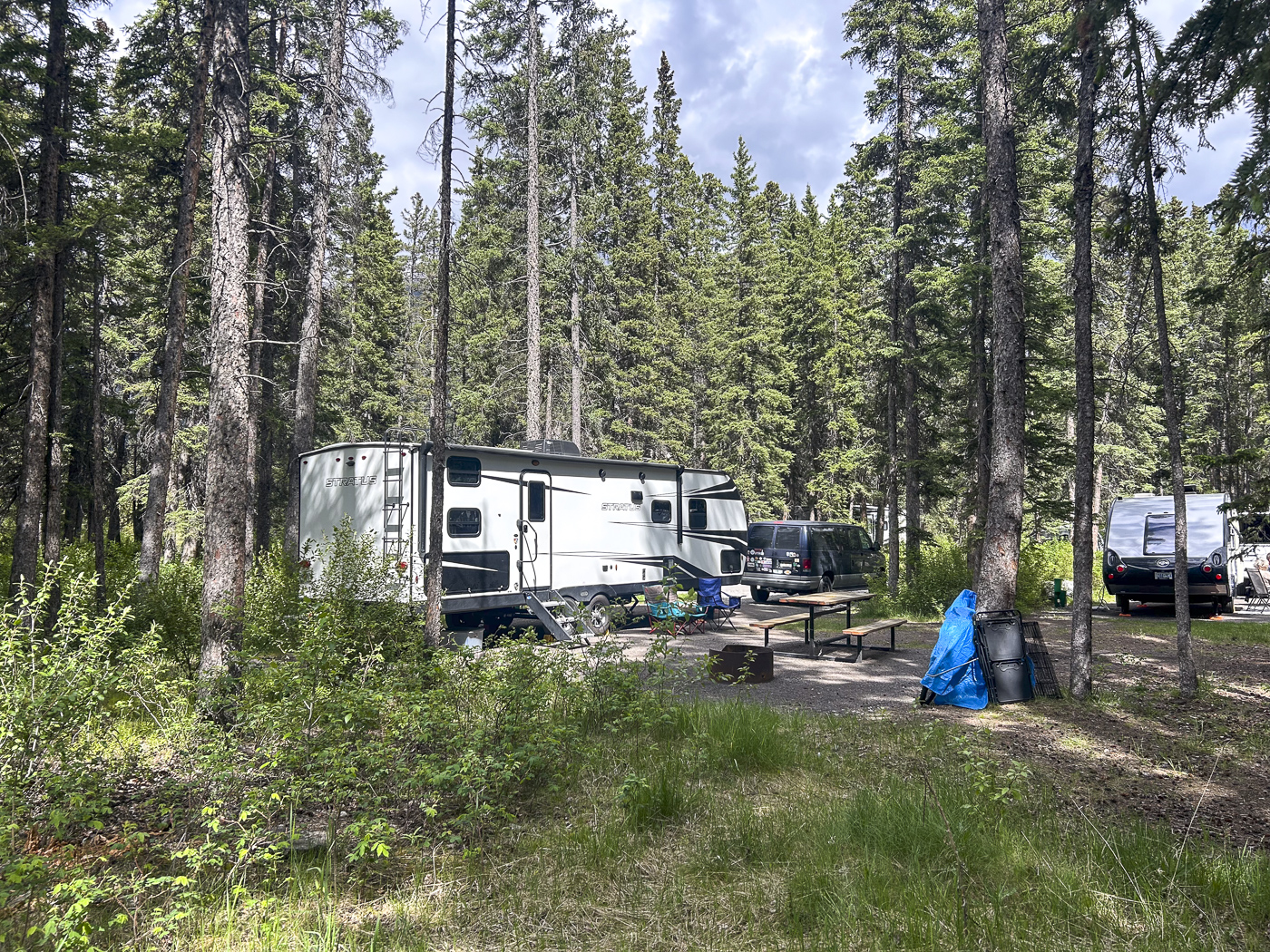
As the name suggests, Bow River Campground is right along the Bow River and about a 10 minute drive from Canmore or a 25 minute drive from Banff. There are 56 water/electric sites here for $47 CAD/night. The sites are wooded and private. A number of them back right up to the river. There’s one bathhouse at the entrance to the campground with pay showers, along with vault toilets inside the camping loops. Roads here are fairly narrow and might be tight for larger rigs, although we did see a number of larger motorhomes and fifth wheels that managed okay. Note that you’re very much in bear country here and need to maintain a clean campsite (no food left out; put all cooking equipment away in a vehicle when you’re not using it).
One inconvenient quirk here is that there’s no on-site dump station. There’s one in the provincial park’s other campground, Bow Valley, but that’s 20 minutes down the road to the east. We were heading west when we left, so we used the public dump station in the town of Banff instead. Also note that you’ll need to pay for a Kananaskis Conservation Pass in addition to (and separate from) the camping fees. It’s $15/day or $90/year, so do some math and figure out which makes sense based on how long you’re staying. You can buy the pass online, but cell service is spotty in the campground so it’s probably best to do it before you get there.
Canmore
Canmore is a great little mountain town with a downtown full of shopping and restaurants and amazing views in every direction. We enjoyed dinner and local beers at the Grizzly Paw Pub and then took an after dinner stroll along the Policeman’s Creek Boardwalk. This is an easy walk right in town and served as a great introduction to the kind of stunning mountain scenery we were going to be immersed in for the next couple of weeks.
Banff National Park
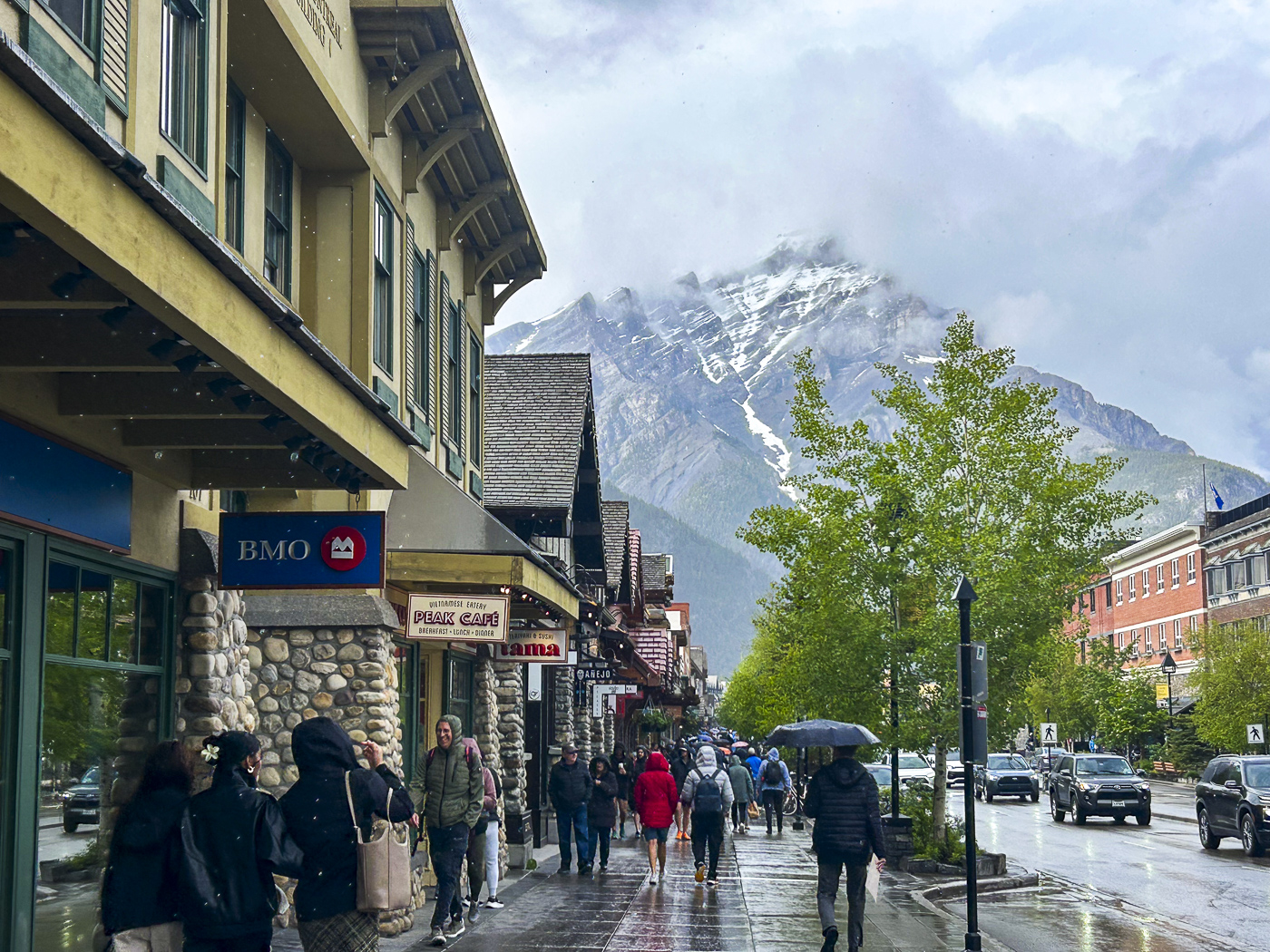
Town of Banff: This is where you go for all your souvenir shopping and for great restaurant options, but be prepared to fight the crowds! Parking can be tough and expensive, but if you’re able to walk a few blocks you can park for free in the large lot at the train station at the edge of town. We were very impressed with the pizza and beer as well as the atmosphere at Three Bears Brewery and Restaurant. The Cascade of Time Garden is a lovely little spot right at the end of the main strip. And just outside of town (a nice walk or a quick drive) you can visit the Bow Falls viewpoint for views of both the waterfall and the Fairmont Banff Springs hotel.
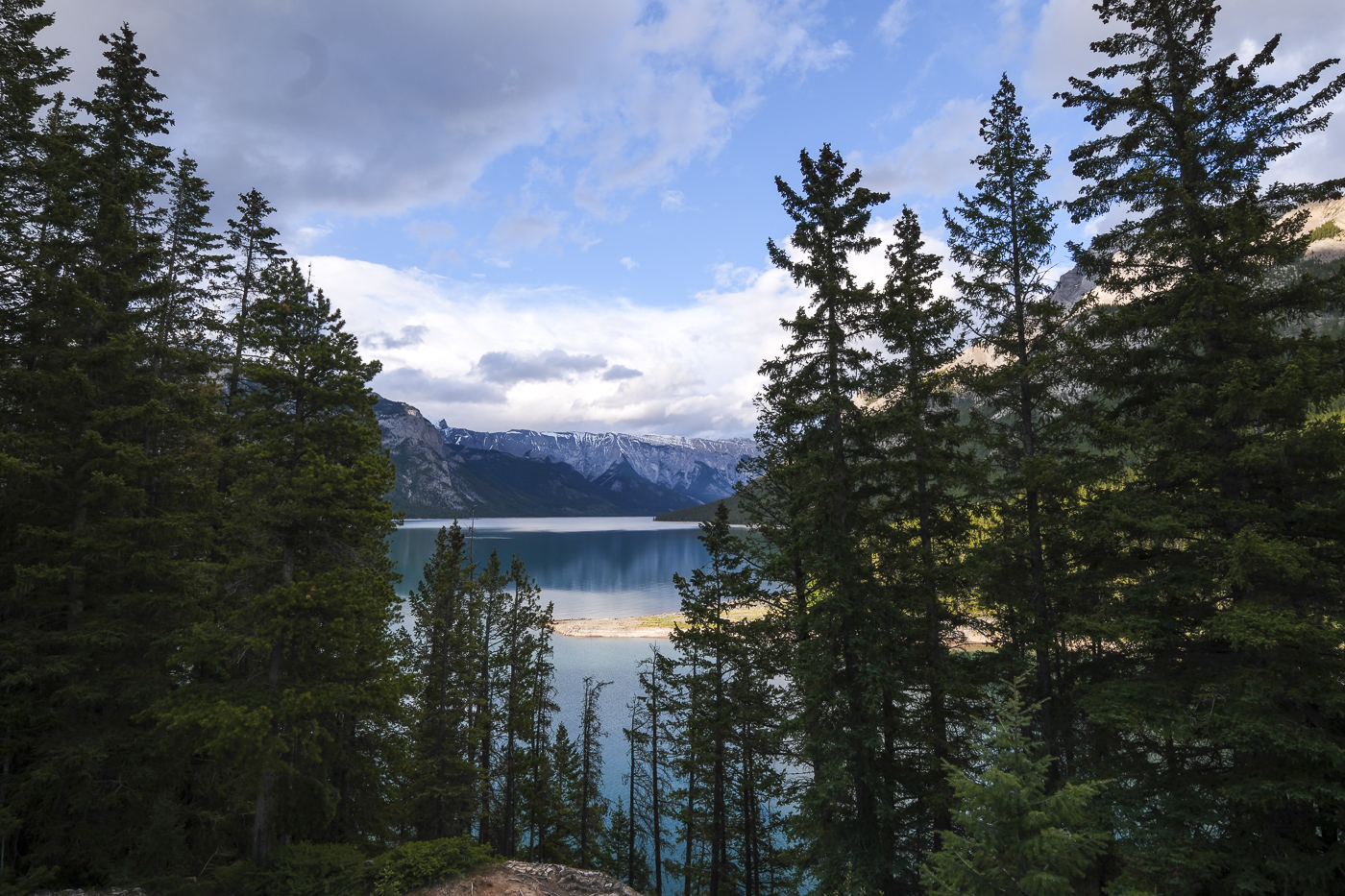
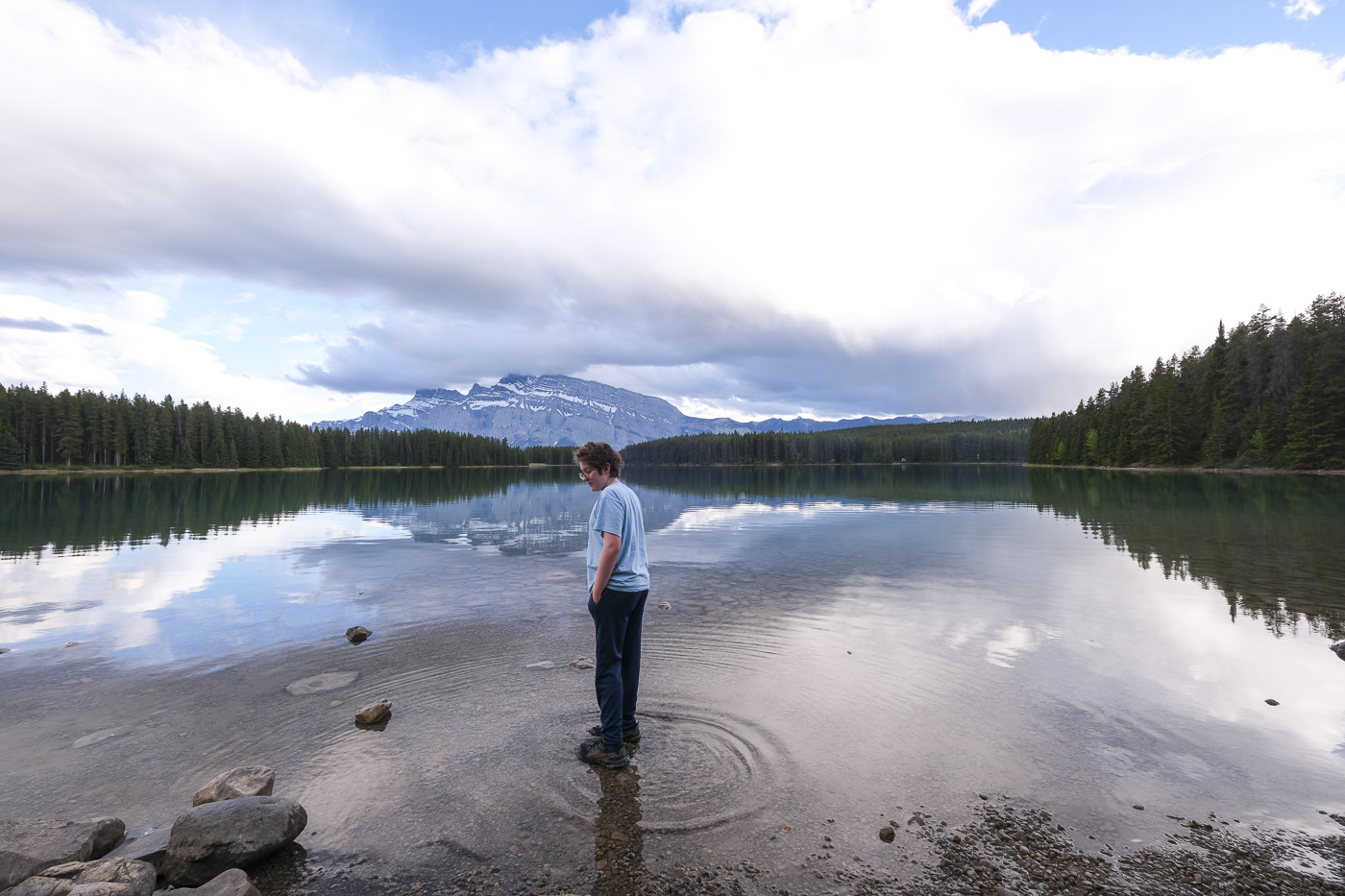
Lake Minnewanka Loop: definitely take some time to complete this scenic drive right near the townsite. It’s just 24 km and offers tons of great stops at beautiful mountain lakes, hikes, and opportunities for wildlife spotting. We stopped to hike the 3 km Johnson Lake Trail and then checked out Two Jack Lake and Lake Minnewanka itself.
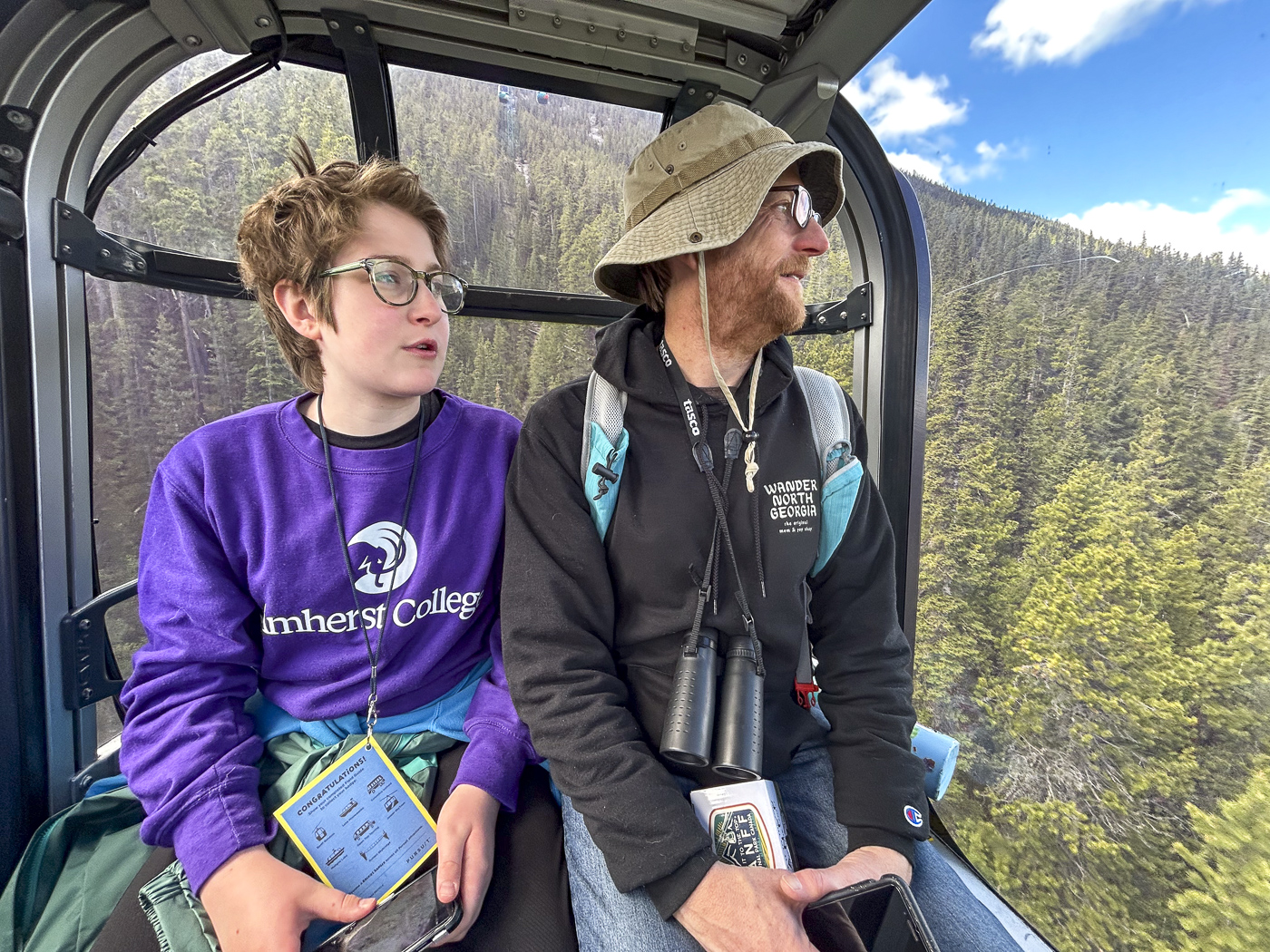
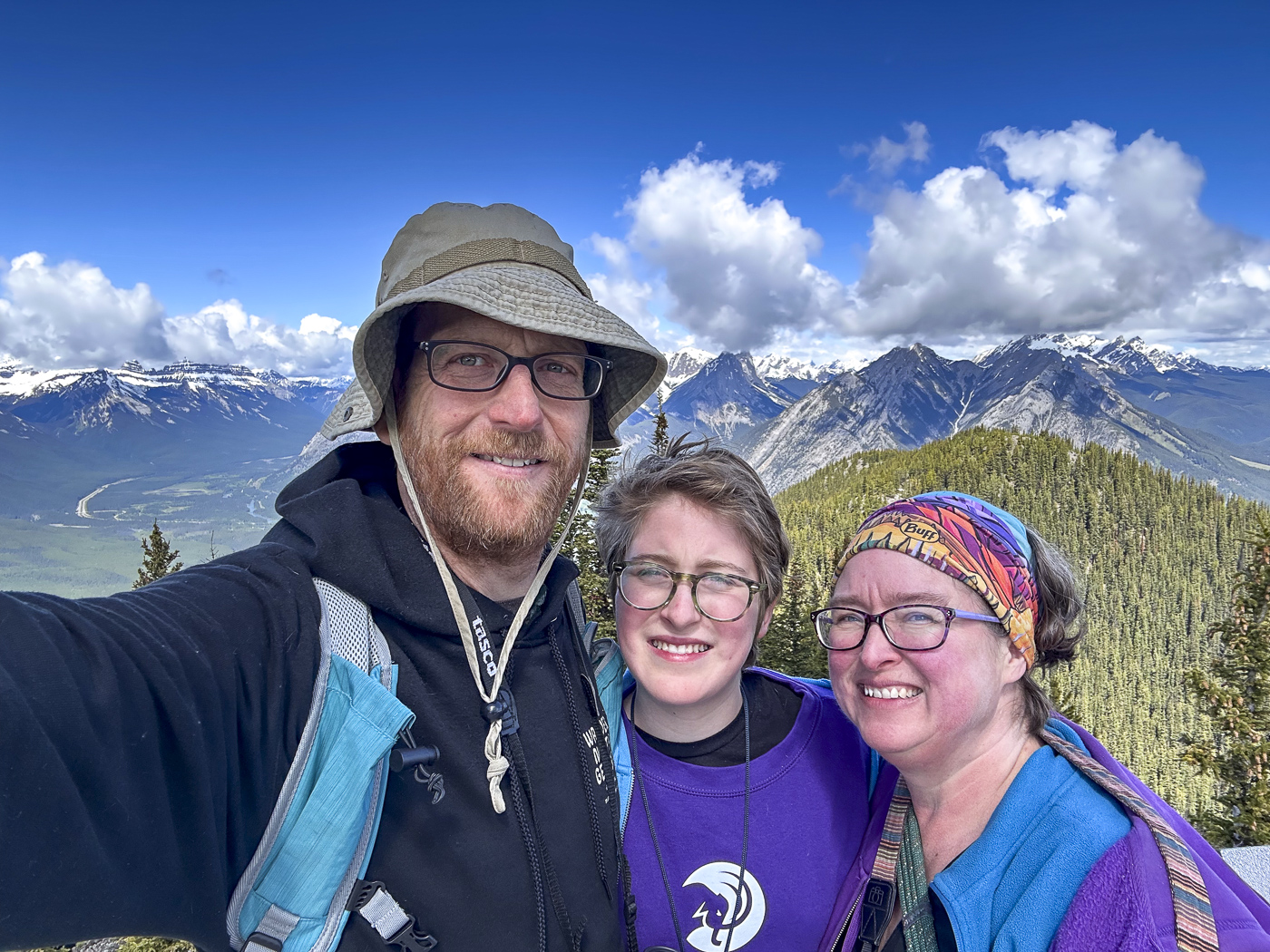
Banff Gondola: the Banff Gondola ride up to the top of Sulphur Mountain is one of those super expensive, super touristy things where you wonder if it can possibly worth what you have to spend to do it. We reluctantly shelled out the money (they use dynamic pricing, but expect to pay around $90-100 CAD/adult) and…we loved it! We spent a lot of time looking at mountains from below during our time in the Rockies, so this was a great chance to get up high for some different perspectives.
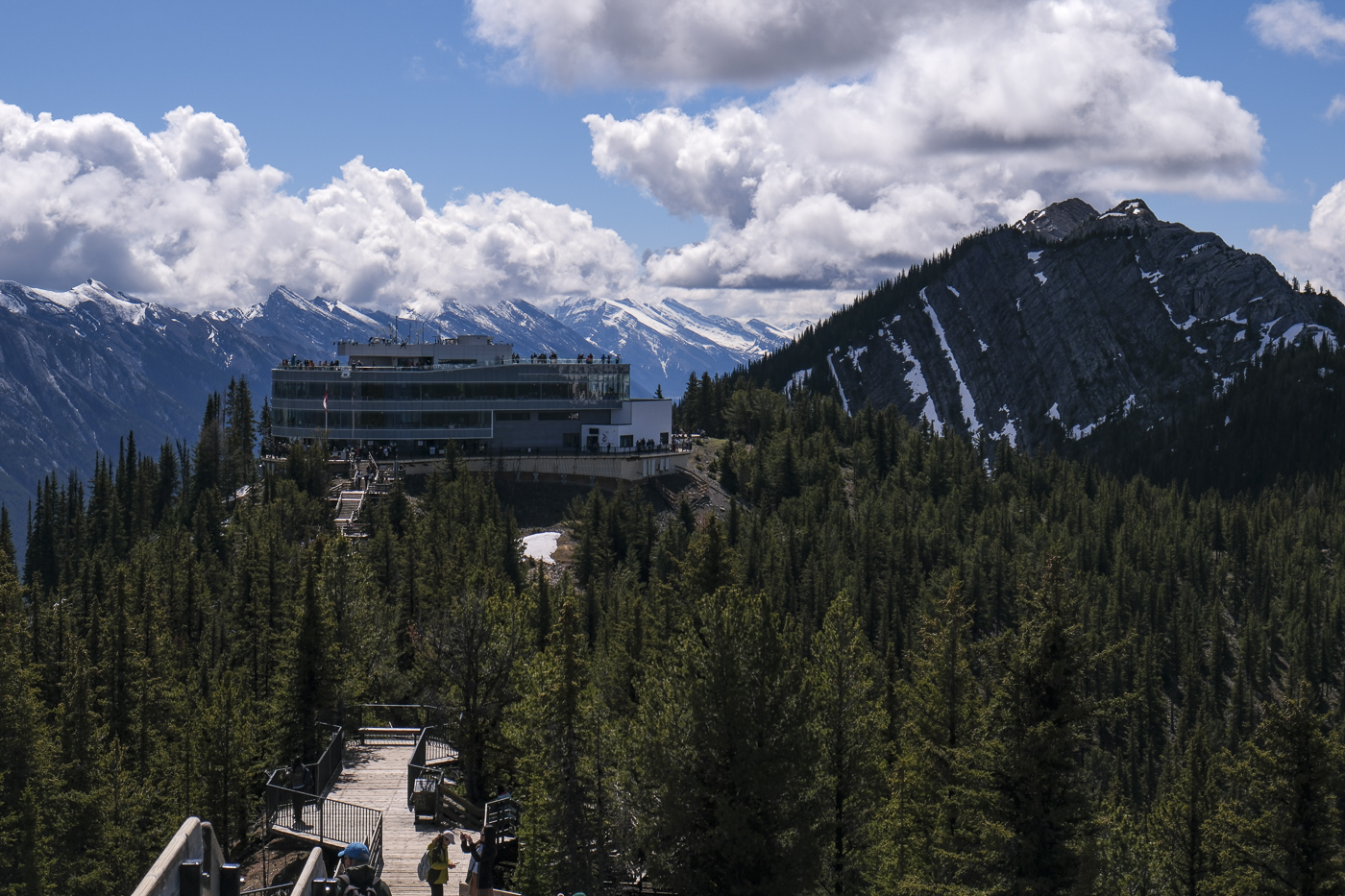
We saved a bit of money by doing the “Family Experience” which allows kids to go up for free during the first two hours that they’re open. You have to reserve both the time to go up and to come back down when you buy your tickets; I’d recommend leaving yourself plenty of time up at the top to feel like you’re getting the full experience. There’s an interpretive center with restaurants, a gift shop, a movie, and exhibit areas to check out. And you want to make sure you have time to take the boardwalk trail from the visitor center to the old weather station at Sanson’s Peak. And, of course, you’ll want plenty of time to take too many pictures of the mountain and town site views.
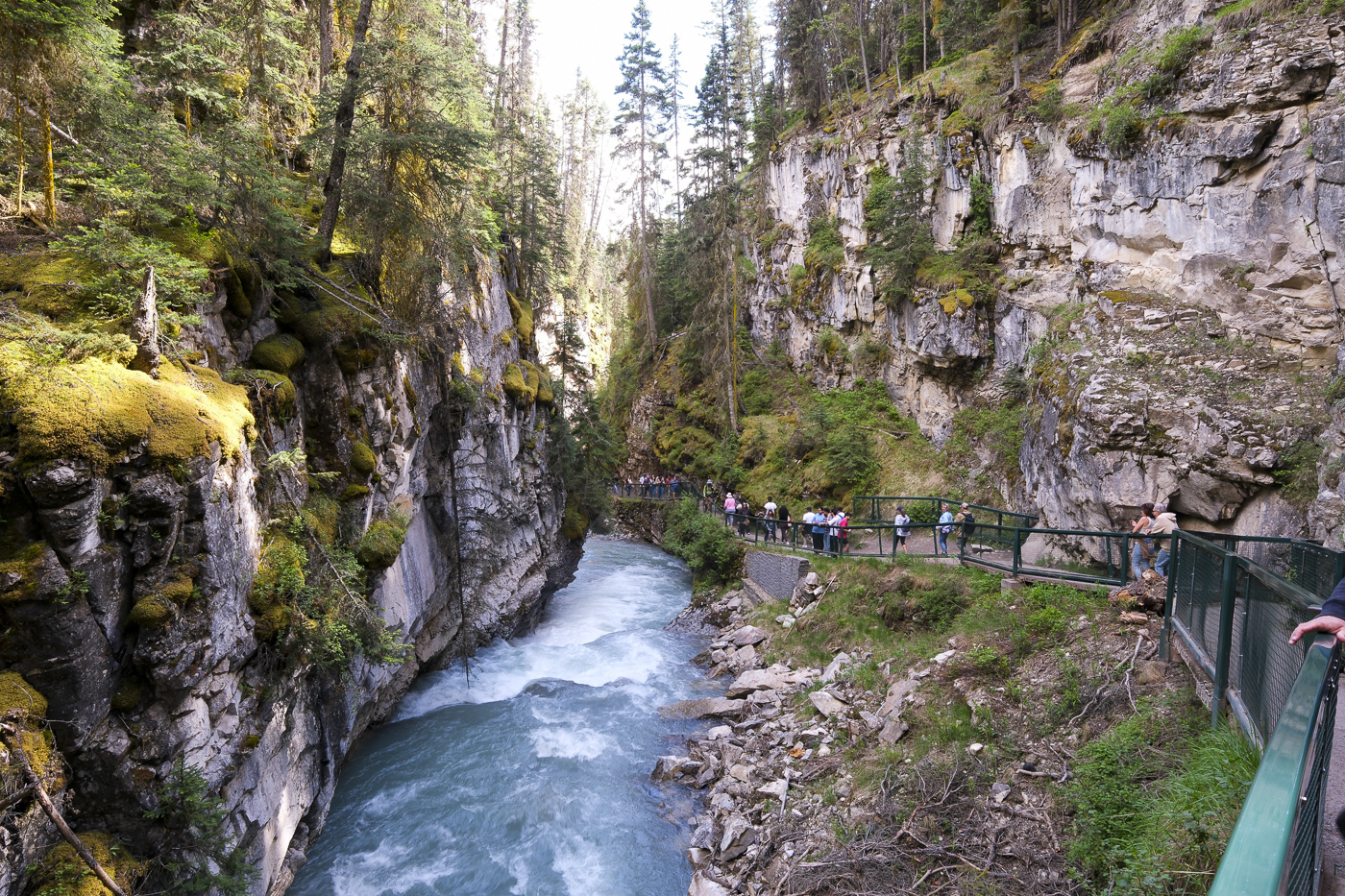
Johnston Canyon: A system of suspended pathways and trails takes you through this rocky canyon over stunning blue water and past several waterfalls. We decided to hit Johnston Canyon later in the afternoon (around 3 or 4), in hopes of missing the midday crowds. This strategy worked for finding parking easily, but the trails themselves were still packed with people. For the best experience, try to get here very early in the morning or later on in the evening.
Kootenay National Park
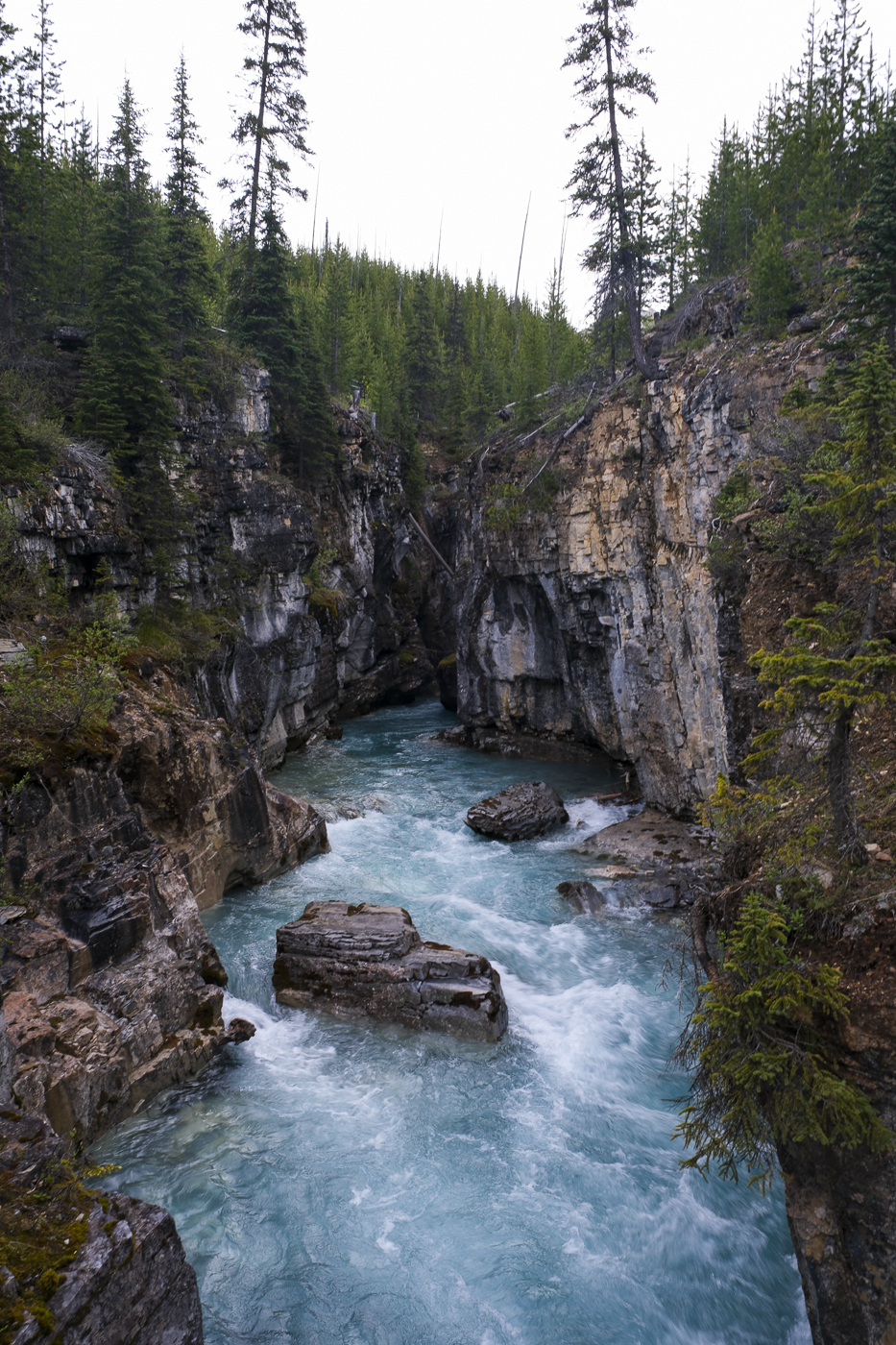
When we were planning our trip, I was surprised to learn just how many national parks there are in the Canadian Rockies and that often where one ends another one begins. Banff, Jasper, Kootenay, and Yoho are all clustered together, with Glacier (the Canadian one), Mount Revelstoke, and Waterton Lakes not far away. Banff and Jasper tend to steal the spotlight, but the smaller parks have tons worth seeing, too, and very often can offer lower crowds just a short drive from the big name sites. We made the short and scenic drive to Kootenay one day to see Marble Canyon and the Paint Pots. Marble Canyon is just half an hour from the town of Banff, and it’s often billed as a less congested alternative to Johnston Canyon. It features the same deep rocky canyon and impossibly blue water, but the trail takes you uphill to take it in from several viewpoints instead of letting you walk in the canyon itself.
A bit farther down the road is the Paint Pots trail. To be honest, while the trail itself is lovely, the paint pots were a little lackluster and resembled mud puddles more than an artist’s palette. Still, it’s a short, easy trail and worth a stop if you’re in the area for Marble Canyon. We didn’t make it any further into the park, but if you keep driving another hour you’ll hit the Radium Hot Springs, Kootenay’s big claim to fame.
Planning a Trip to the Canadian Rockies
If you’ve made it this far you’ve probably already picked up on the idea that the Canadian Rockies are busy. We were there in early-mid June, so not even the height of the season, and we already needed to plan carefully to avoid the worst of the crowds. This isn’t the kind of trip that invites spontaneity; you’ll need to book accommodations well in advance and be ready to arrive at major trails and attractions early in the morning or later in the evening before parking lots fill up and crowds build. At the national park campgrounds, reservations for the entire season open up on the same morning, and Parks Canada uses a queuing system for booking. There are lots of good blog posts and YouTube videos out there explaining the system; make sure you learn about it ahead of time and are ready to go as soon as reservations open up in late winter.
After reading a lot of rave reviews online, we bought the Guide Along audio guide for the Canadian Rockies, and it was an awesome addition to our trip. You install the app on your phone, and it uses a GPS signal to trigger audio commentary as you drive. The narrator is wonderful and shares all kinds of information about the history, science, and culture of different sites. He also tells you which places are must stops and which are okay to skip if you don’t have time. We ended up buying more tours for every destination where one was available on our summer trip and we’ll be looking for more for future trips.