For a long time, RV solar felt like something designed primarily for hardcore boondockers heading deep into the desert or spending weeks on public land out West. That has never really described the way we camp. We live in the Northeast. We still love campgrounds with full hookups. We stay at KOAs and Jellystone Parks. We don’t regularly disappear onto BLM land for two weeks at a time. And yet, after roughly a decade of camping with solar, we now consider having a solar system an absolute necessity. Using Solar in the Northeast used to be rare–but everything is changing and changing fast.
Solar hasn’t fundamentally changed why we camp. Instead, it has given us more choices about where we can stay, how comfortably we can travel, and how dependent we need to be on hookups. It has opened up a world of options for us–even though we lack BLM land in our part of the country.
On this week’s episode of The RV Atlas Podcast, we look back at the many ways solar has changed our own camping life. Then Jeremy talks with Jake Erwin from Go Power!, which is celebrating its 30th anniversary, about where RV solar technology is heading next—including smarter integrated systems, new Shade Tech panels, common solar misconceptions, and what RVers should know before building their first system.
To listen to our interview with Jake please click on the media player above or subscribe to the RV Atlas wherever you get your favorite shows!
Why We Got Serious About RV Solar
When we first started RVing with our boys, we were not trying to rough it.
We had twins who started camping before they were a year old, and Wes began camping when he was only about six weeks old. For several years, we had three very young boys along for every camping trip. Creature comforts were part of what made RV travel work for our family.
We liked having electricity. We liked using the appliances. We liked staying at places where we could plug in, turn everything on, and concentrate on enjoying the trip instead of rationing every bit of power.
But as the boys got older, we started noticing something.
Many of the places where we really wanted to camp didn’t necessarily have hookups.
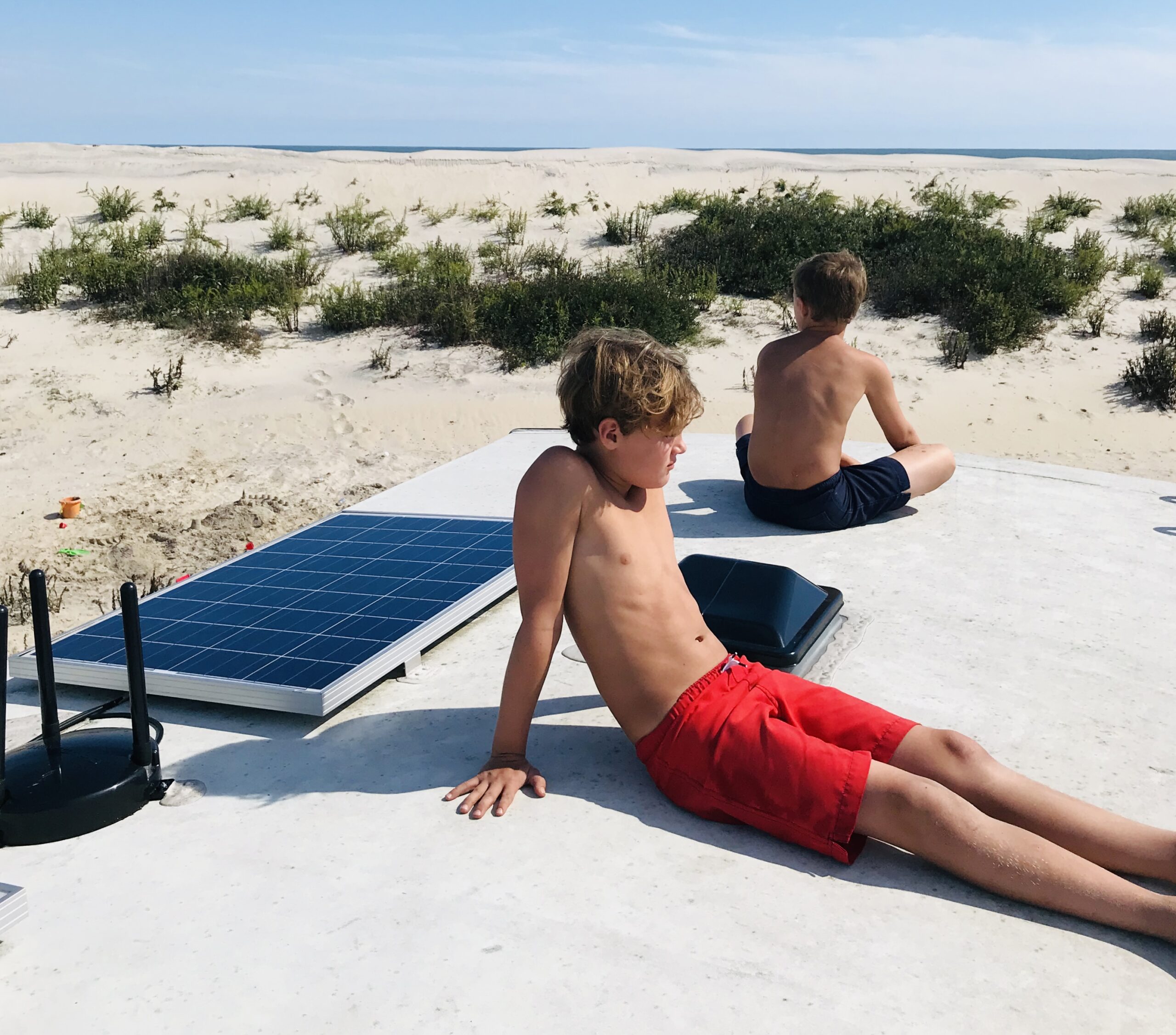
Assateague State Park was a perfect example. Electric campsites were limited and incredibly competitive, while many more beautiful campsites were available if we were willing to dry camp.
We weren’t looking to give up our comfortable style of RVing. We wanted to expand our options without sacrificing the things we enjoyed about having an RV. That was where solar entered the picture.
Our first major system with Go Power! was installed on our toy hauler about a decade ago. At the time, it was a substantial setup with six AGM batteries, and installations like that were far less common than they are today. Even our RV dealer was learning through the process because it was their first installation of that scale.
Stephanie even had one particularly ambitious request: she wanted to be able to run the convection oven without plugging into shore power.
Did we absolutely need a convection oven while dry camping?
Probably not.
But that was our use case at the time, and it illustrates one of the most important lessons we’ve learned about solar:
Build the system around the way you actually camp.
Here are six ways that we use solar in the Northeast — and why we can’t live without it!
1. Having Power in the RV at Home
One of the first benefits of solar surprised us because it had nothing to do with camping.
Our RV was always powered in the driveway.
At that time, we didn’t have a dedicated 30- or 50-amp RV connection at home. But with the solar panels continually maintaining the batteries, we could walk into the RV and use it.
Over the years, our RV has served as:
- An office
- A filming space
- Extra space when friends visited
- A place to wrap Christmas presents
- An extension of our house when we simply needed another room
It sounds small, but having an RV that is always functional rather than essentially dormant between camping trips makes the investment feel more useful.
Today we have 50-amp service at home, but that wasn’t always the case—and solar filled that gap beautifully.
2. Making Overnight Stops Much More Comfortable
Another revelation came during long travel days.
Before solar, we’d occasionally attempted overnight stops in parking lots and found the experience uncomfortable enough that we’d rather pay for a campground along the highway.
That changed dramatically once we had dependable battery power and inverted outlets.
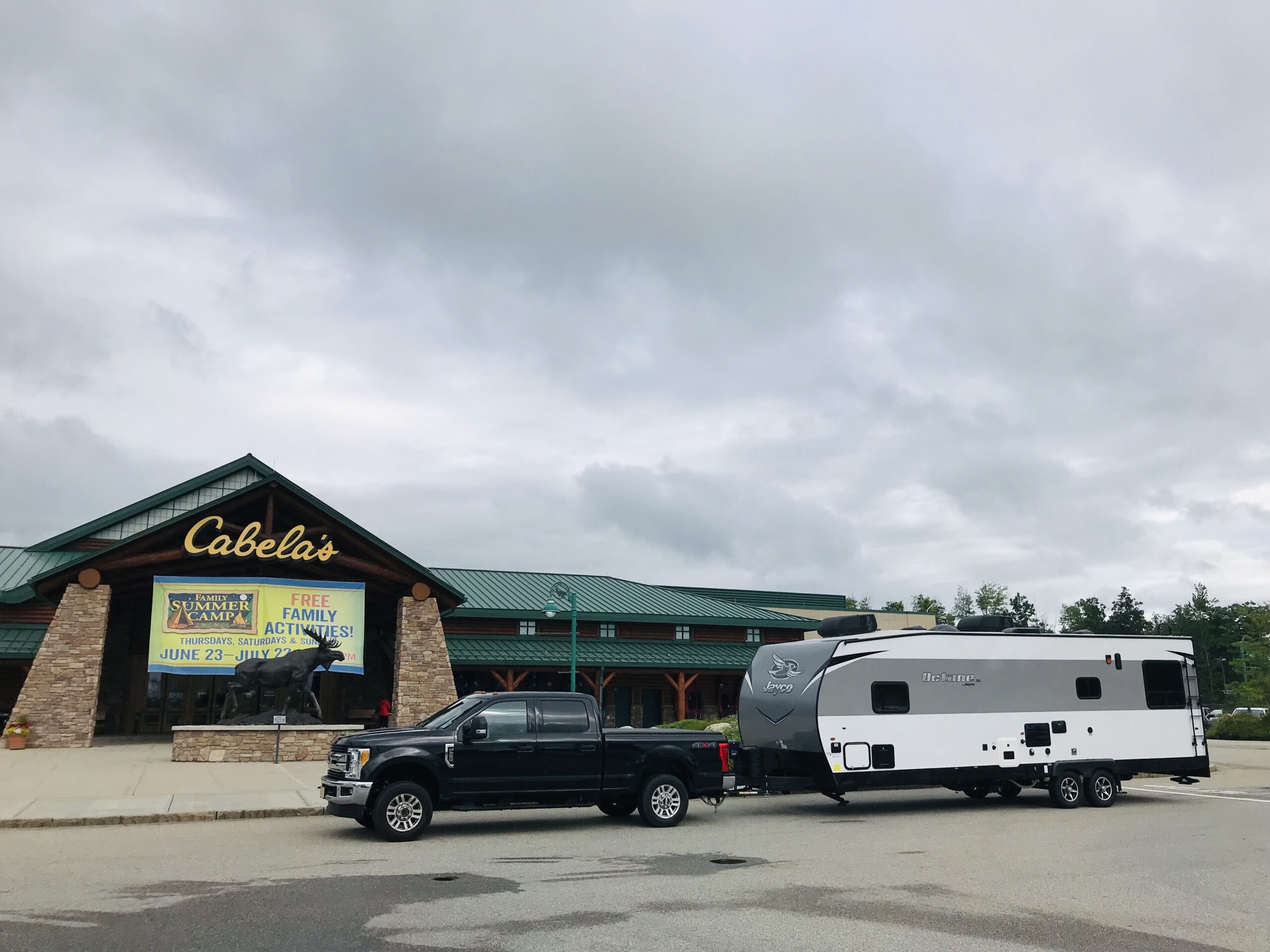
On a trip to Nova Scotia, we spent the night at a Cabela’s.
The refrigerator stayed cold. The lights worked. The outlets worked.
And the next morning, we made coffee right there in the parking lot.
That cup of coffee was a surprisingly important moment.
Jeremy remembers thinking that from that point forward, he always wanted solar and inverted outlets on the RV. Being able to wake up during a travel overnight and use the RV normally made stopping at places like Cabela’s, Walmart, or Cracker Barrel feel entirely different.
Solar didn’t turn a parking lot into a campground.
It simply made an overnight stop comfortable enough that it became a practical option.
3. Moochdocking at Friends’ and Family Members’ Homes
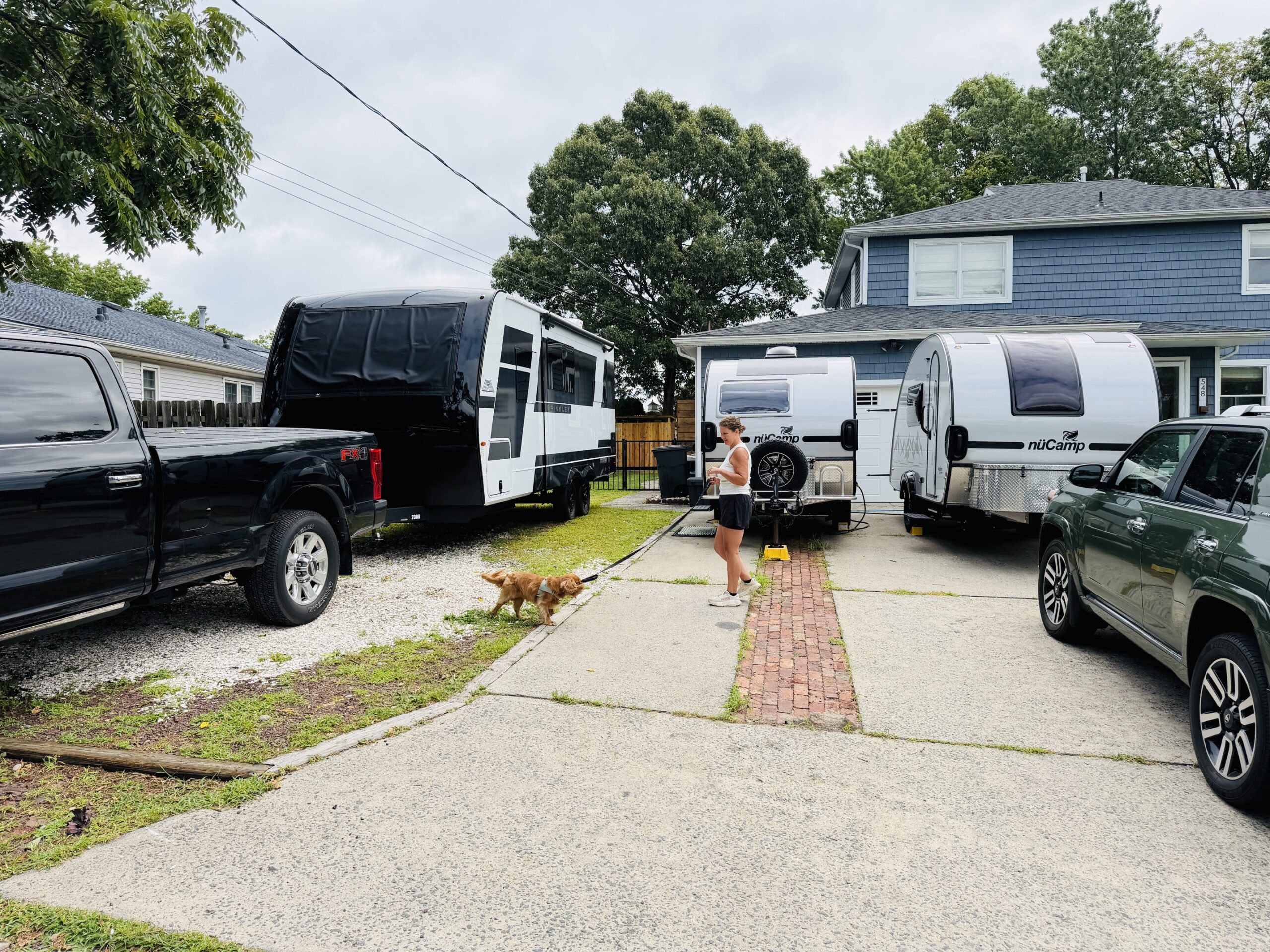
Solar also made visiting people much easier.
Over the years, friends would often tell us:
“You’re driving right past our house. Why don’t you stop?”
The problem was that most people don’t have a 30- or 50-amp RV hookup sitting next to their driveway.
With a capable solar and battery system, that no longer mattered nearly as much.
We could pull into someone’s driveway, spend the night in our own RV, make coffee in the morning, keep the refrigerator operating, and enjoy our own space without asking our hosts to somehow provide campground-level electrical service.
Especially in the Northeast, where friends may live in smaller towns with limited campground options nearby, this can open up some fantastic weekend possibilities.
4. Making Harvest Hosts Even Better
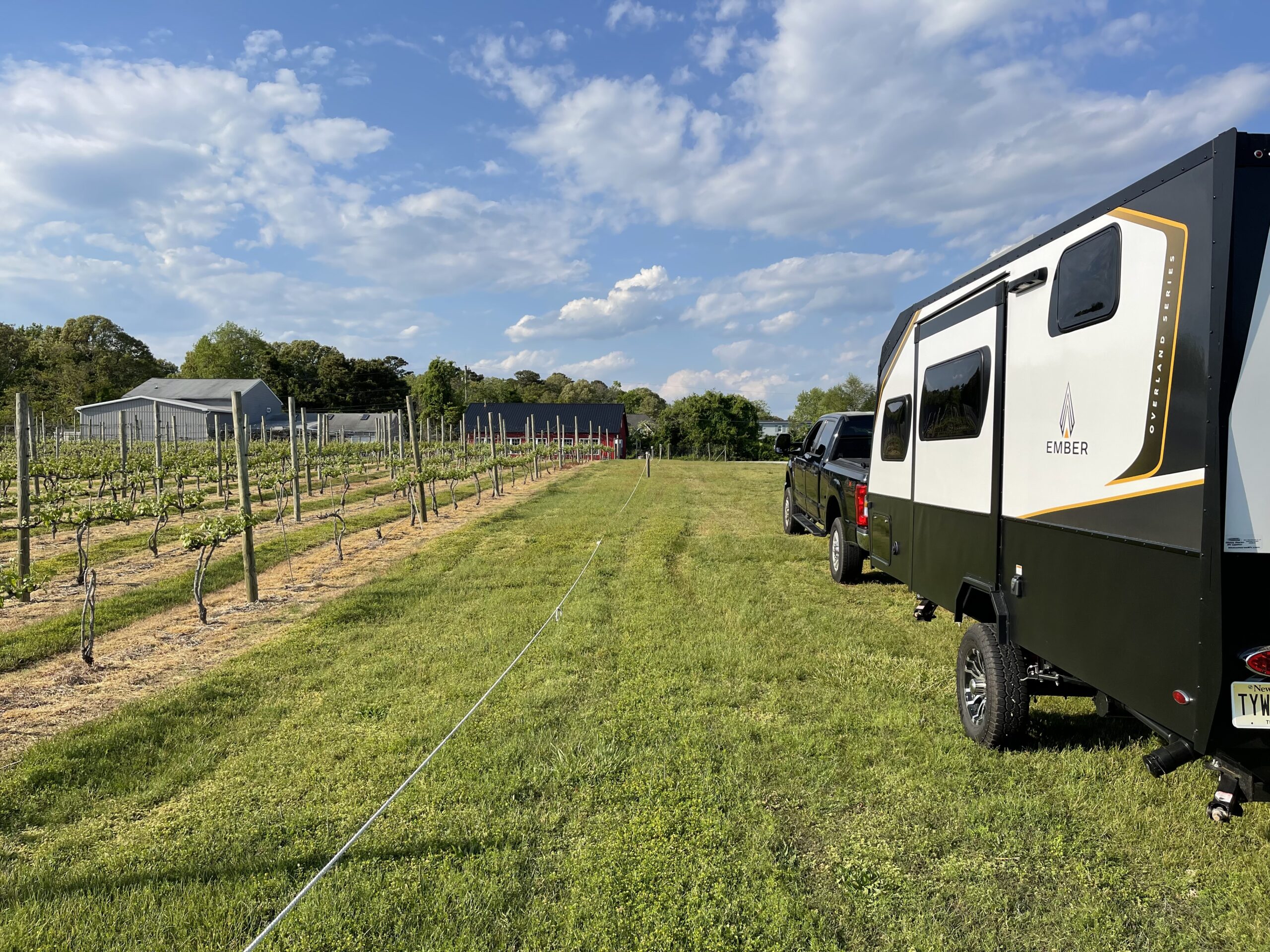
Our Harvest Hosts membership has become another major reason we value RV solar.
Most Harvest Hosts locations are dry camping experiences. Some hosts are beginning to offer hookups, but we have generally approached Harvest Hosts stays assuming we’re going to be self-contained.
Solar makes that easy.
We can spend the night at wineries, farms, breweries, and other unique destinations without worrying much about where the electricity is coming from.
One of our earliest memories of seeing this lifestyle in action actually happened before we were regularly using Harvest Hosts ourselves.
While driving toward South Dakota, we stopped at an outdoor sculpture installation and saw a massive fifth wheel parked nearby. The owners explained that they had spent the night there through Harvest Hosts.
Their RV was fully operational, and seeing what they were able to do without hookups planted a seed.
This was an entirely different way of traveling.
Today, Harvest Hosts and solar feel like a natural pairing.
You don’t necessarily need an enormous solar system for a single overnight stay. But having enough battery capacity and solar charging to comfortably operate the basics makes those experiences far easier.
5. Opening Up More State Park Campsites
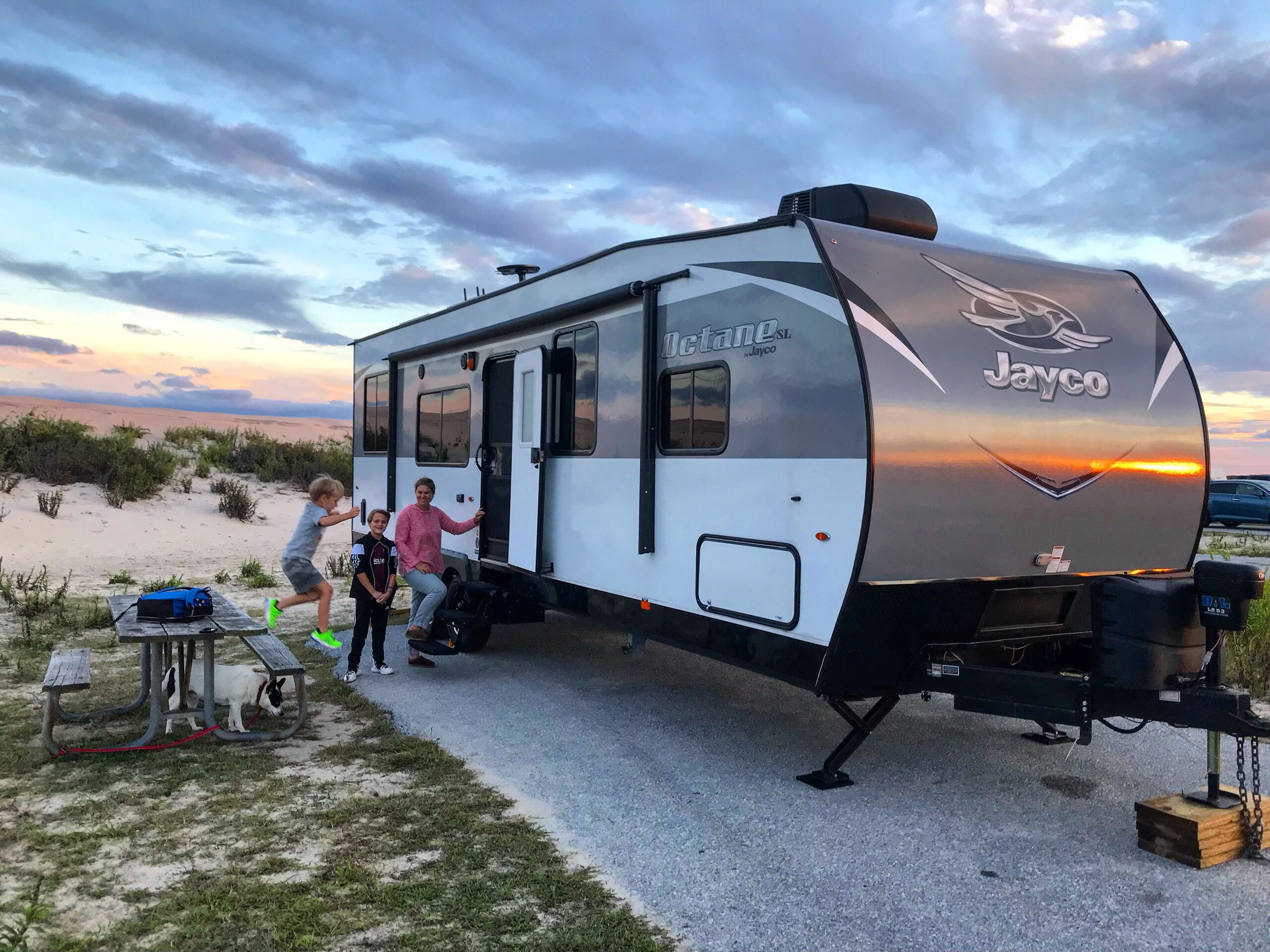
For us, this is probably the biggest benefit. Solar changed where we could camp.
Once we installed our first major system, one of our first trips was to Assateague State Park.
We spent several days without hookups and still had the electricity we needed for lights, refrigeration, outlets, and normal daily life inside the RV. We weren’t running air conditioning, and the weather was cool enough that we didn’t need it. The experience felt incredibly comfortable.
That trip changed our direction as RV travelers.
We never stopped staying at private campgrounds. We still love KOAs, Jellystone Parks, and full-hookup sites. But we began adding far more state park camping because electricity no longer determined which campsites we could book.That’s an especially important advantage in regions where only a handful of campsites offer electric hookups.
Sometimes the best campsite in the campground has no hookups at all.
Sometimes the only campsite you can actually reserve has no hookups.
Solar gives you more freedom to say yes to both.
6. Using the RV During Power Outages
There’s one final benefit we don’t hear discussed nearly enough.
Your RV can become a backup resource during a power outage.
We live in a coastal area where storms and outages happen. A whole-house generator can be a significant investment, and not every family needs or wants one.
But as campers, we already own a mobile living space.
If our house loses power, we know we can go outside to the RV, charge devices, use electricity, access stored food, and have another functional space available.
Solar doesn’t replace every emergency preparedness solution.
But it adds another layer of resilience to equipment RV owners already have sitting in their driveway.
The Biggest Solar Lesson: Know What You Want to Power
One reason solar can feel intimidating is that there is no single correct system.
One camper may want enough power to keep a refrigerator cold and charge phones during a Harvest Hosts overnight.
Another may want to dry camp at state parks for four or five days.
Another may want to run an air conditioner in the desert.
Those are completely different power requirements.
The best place to start is not by asking:
How much solar should I buy?
Instead ask:
What do I want my RV to be able to do when I’m not plugged in?
That one question should drive everything that comes afterward.
Go Power! Celebrates 30 Years of Off-Grid Adventures
default
Go Power! traces its history back to 1996, when the business began as Soltek Power and worked in a much smaller mobile-power market.
Back then, many systems were primarily intended to maintain batteries and support relatively modest electrical loads.
Thirty years later, customer expectations are dramatically different.
RVers increasingly want enough power to operate refrigerators, microwaves, sophisticated electronics, and—in some situations—even air conditioning while remaining off-grid.
Jake explained that the industry has also moved toward fully integrated power systems. Batteries, inverter chargers, solar controllers, and other RV systems increasingly communicate with one another rather than functioning as separate islands of technology.
Go Power!’s 30,000-Tree Anniversary Initiative
Go Power! is marking its 30th anniversary with something more meaningful than a simple celebration.
The company is partnering with Veritree to plant 30,000 trees.
Jake explained that environmental restoration felt like a natural way to celebrate because Go Power!’s products are designed to help people spend more time outdoors while using renewable energy.
The program also allows the company to recognize partners by planting trees on their behalf and providing visibility into where those trees are being planted.
ShadeTech Solar Panels Solve a Very Real Camping Problem
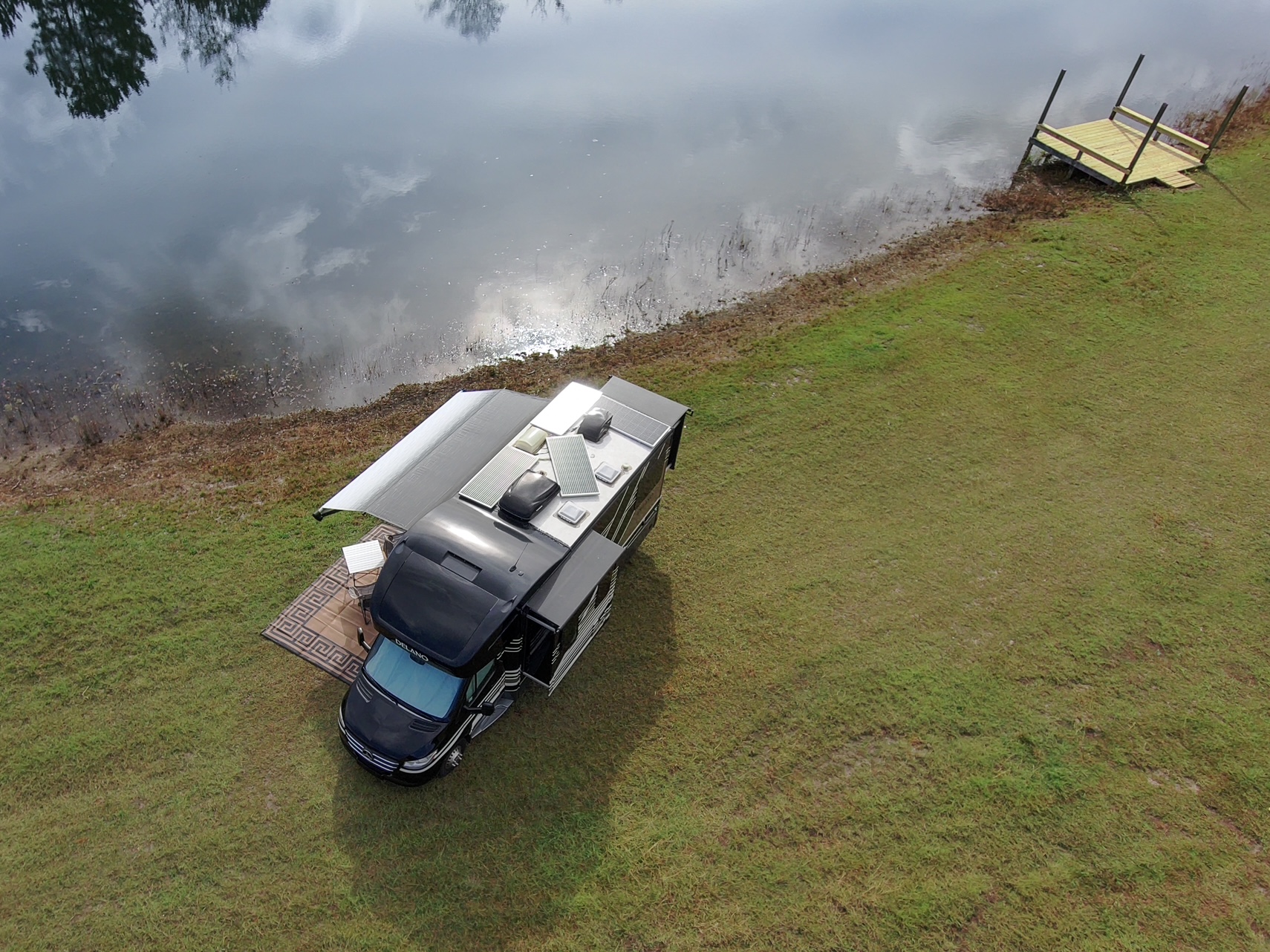
One of the most interesting new products Jake discussed is Go Power!’s ShadeTech solar panel.
This development caught our attention immediately because shade is a huge issue for campers in the Northeast.
Out West, it’s relatively common to see RVs sitting beneath completely open skies.
In eastern state parks, you’re often tucked underneath a beautiful canopy of trees.
That’s wonderful for camping.
It’s not always wonderful for solar production.
ShadeTech panels use bypass diodes designed to reduce the dramatic efficiency loss that can occur when one portion of a traditional panel becomes shaded.
They’re also smaller and lighter than their predecessors.
The new 200-watt panels are approximately six inches shorter while maintaining the same width, making them interchangeable with previous models. They’re also about four pounds lighter per panel. That may not sound significant until you multiply it across an entire roof.
On a 1,200-watt system using six panels, that’s roughly 24 pounds of weight savings.
For RV owners carefully managing cargo carrying capacity, those incremental savings matter.
PowerTrak Makes RV Solar Easier to Understand
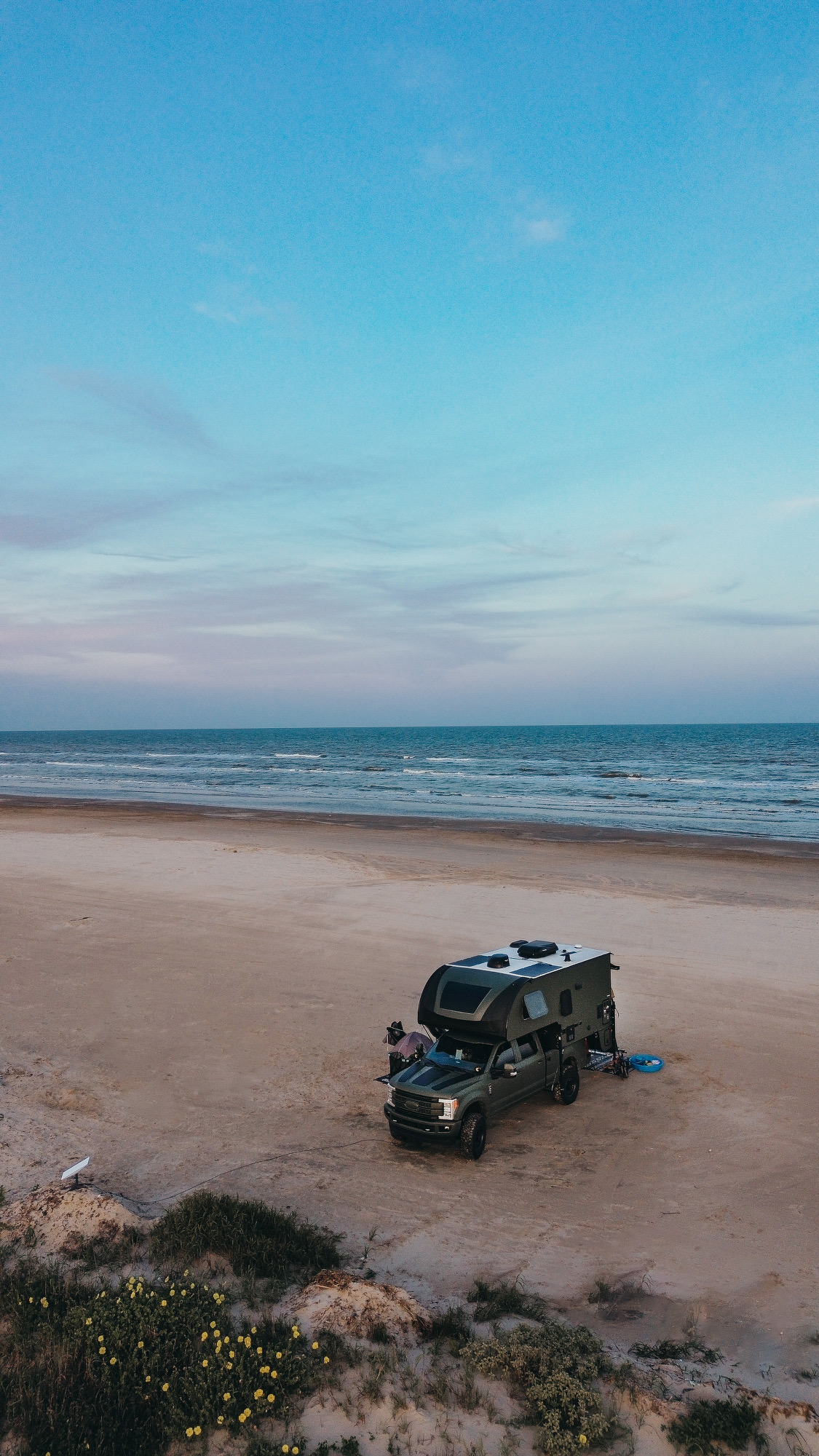
The other major trend Jake emphasized is simplification.
Years ago, advanced RV solar could feel like a foreign language.
You might have separate displays and controls for batteries, solar controllers, inverters, and other components.
Go Power!’s PowerTrak ecosystem is designed to bring compatible components together.
MPPT solar controllers, lithium batteries, inverter chargers, standard inverters, and other connected products communicate through a single system and can be monitored from one touchscreen interface.
PowerTrak can also help with error reporting, giving the RV owner a clearer indication of where a problem is occurring.
The technology underneath these systems is becoming more sophisticated.
The goal, however, is for the actual camping experience to become simpler.
Solar Myth: “I Want to Run My Air Conditioner”
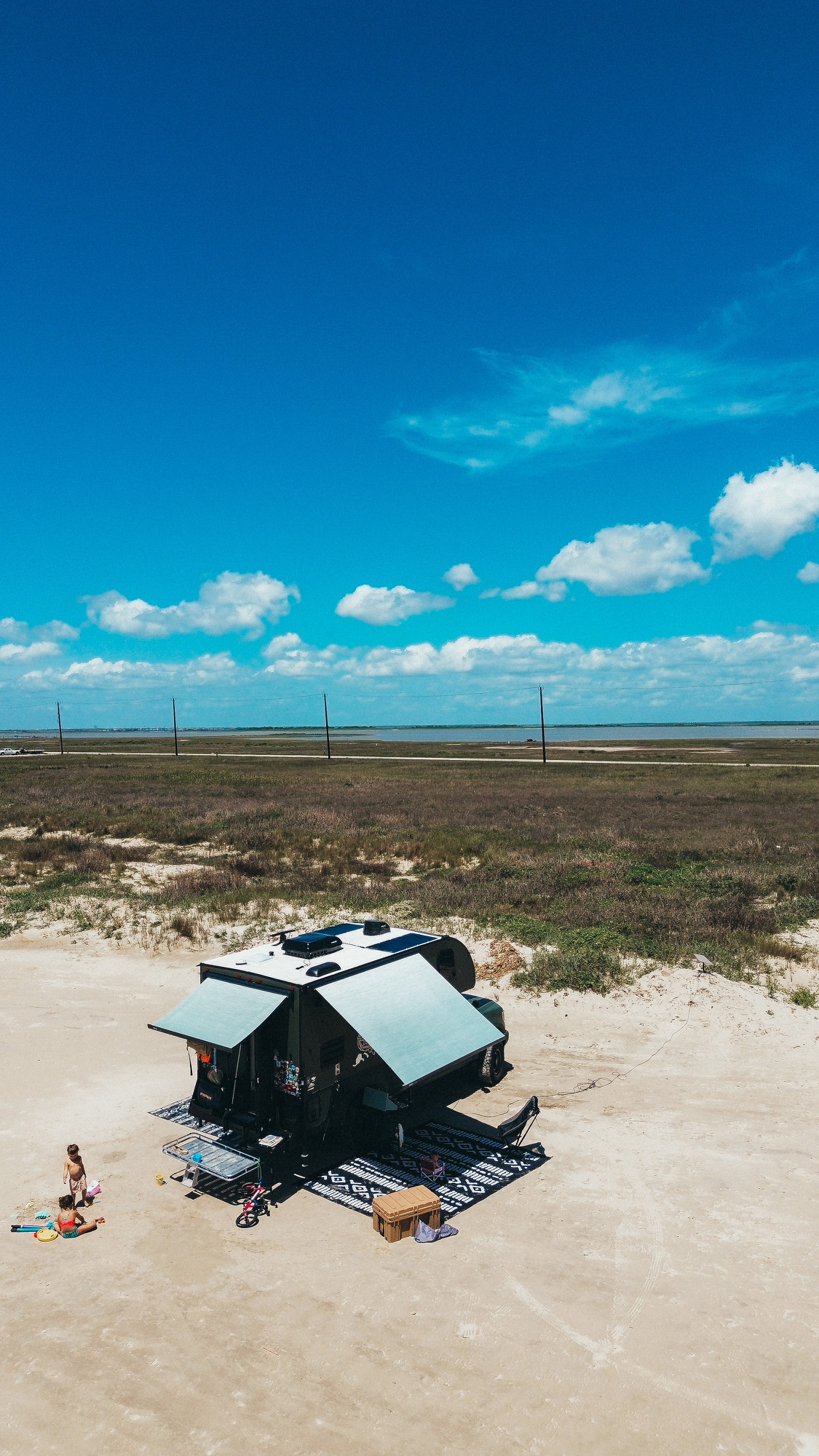
If Jake could choose one expectation that RVers most need to understand, air conditioning would probably be near the top of the list.
Can solar help run an RV air conditioner?
Yes.
But that’s very different from asking whether a modest solar installation can operate your air conditioner indefinitely.
Air conditioning requires enormous amounts of power.
Once AC enters the equation, you’re generally talking about substantial lithium battery capacity, a large solar array, significant roof space, and enough cargo carrying capacity to support all that equipment.
The industry is moving quickly.
Solar panels are becoming more efficient.
Air conditioners are becoming more efficient.
Battery technology continues to improve.
Jake believes that over the next several years, running RV air conditioning from solar will become increasingly feasible.
The important question is shifting from:
Can we run the AC?
to:
How long can we run the AC?
Don’t Forget About the 12-Volt Refrigerator
Air conditioners aren’t the only significant electrical load.
The widespread move toward 12-volt refrigerators has changed RV power planning as well.
These refrigerators rely entirely on electricity instead of switching to propane the way many older absorption refrigerators could.
Jake offered a helpful general rule of thumb: around 400 watts of solar can often offset the needs of a single 12-volt refrigerator under typical circumstances.
That’s roughly two 200-watt panels.
Add another panel, and you begin creating more capacity for lights and other everyday electrical demands.
It’s a great example of why understanding individual loads is more useful than simply asking how many solar panels an RV “needs.”
Build Your First Solar System With Expansion in Mind
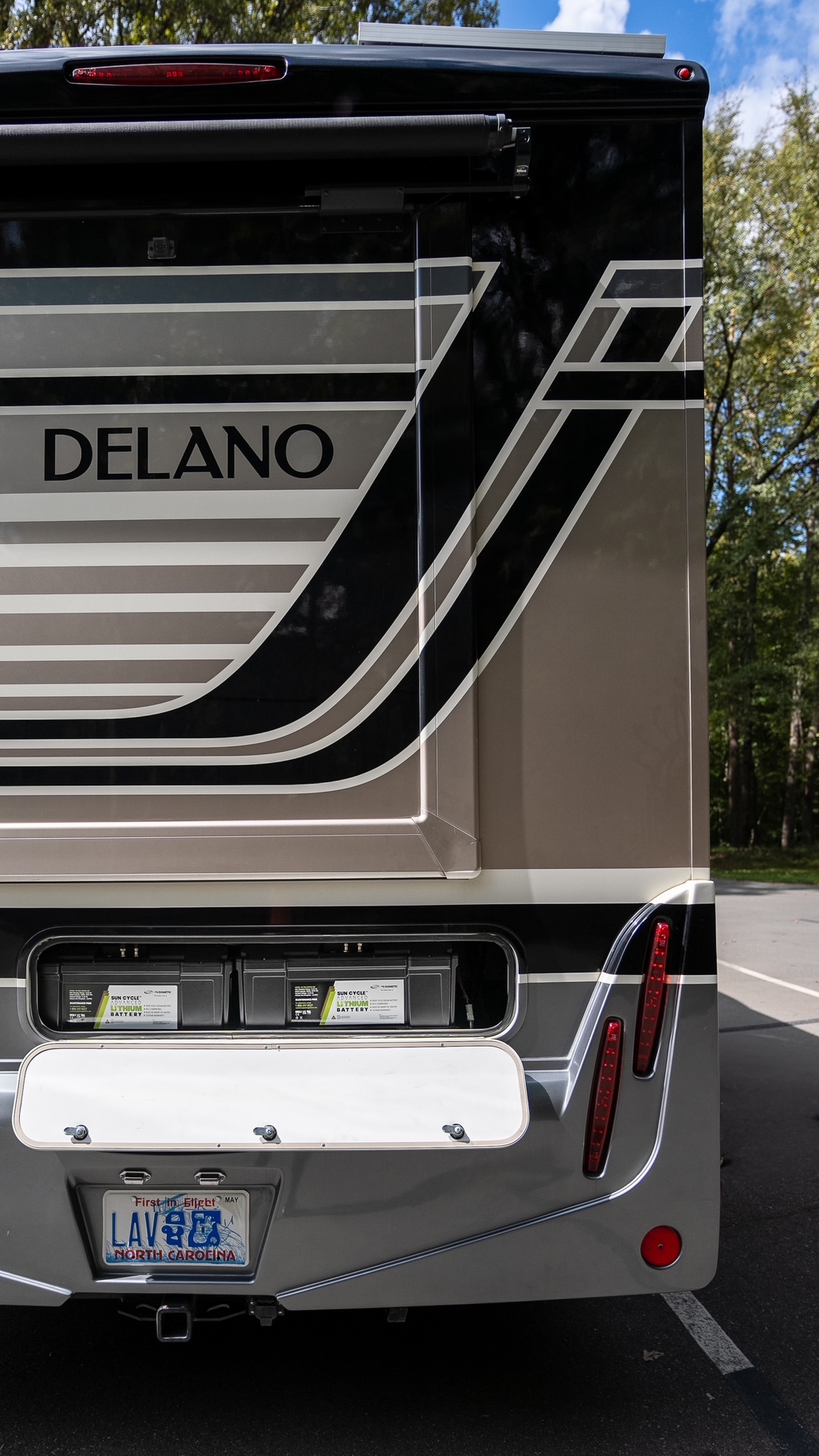
Jake’s best advice for new RV owners is refreshingly simple:
Plan to expand.
You may begin by wanting enough solar for a two-night state park trip.
Then you discover Harvest Hosts.
Then you want to stay at Assateague for a week.
Then you want more battery capacity.
If you’re starting from scratch, size the wiring and underlying infrastructure so the system can grow later.
You don’t necessarily need to buy everything on day one.
But making smart decisions during the initial installation can prevent you from having to replace major components when your camping style evolves.
How Big Can RV Solar Get?
If you want to see what’s possible at the extreme end, Jake shared one memorable project built with Drive the Globe.
The massive Unimog overland vehicle used approximately:
- 2,000 watts of rooftop solar
- Five solar controllers
- A huge lithium battery bank
- A large inverter charger
- Starlink
- Refrigeration
- Electric coolers
- 12-volt air conditioning
The system was designed to support essentially the entire rig electrically while traveling and camping in remote environments.
Most RVers don’t need anything remotely that large.
But projects like this demonstrate what’s becoming possible as mobile-power technology improves.
Where RV Solar Goes Next
Jake believes the RV industry is moving steadily toward greater electrification.
We’re already seeing more all-electric RVs, larger lithium battery systems, smarter energy management, more efficient appliances, and solar becoming standard equipment rather than a niche aftermarket upgrade.
For Go Power!, that’s an exciting place to be.
For RV owners, it means systems that were complicated and unusual ten years ago are increasingly becoming approachable and mainstream.
And that may ultimately be the biggest change we’ve witnessed ourselves.
A decade ago, installing a large solar system on our toy hauler felt experimental.
Today, we don’t really want an RV without one.
Not because we’re hardcore boondockers.
Not because we’ve given up campgrounds with hookups.
And definitely not because we’re ready to abandon creature comforts.
It’s exactly the opposite.
Solar has allowed us to keep the parts of RVing we love while removing one more limitation from where we can camp.
For us, that’s the real promise of RV solar.
More choices. More flexibility. And more places to camp.
We’ll see you at the campground.