On this week’s episode of The RV Atlas Podcast, we head north for a conversation that combines three of our favorite things: camping in Canada, outdoor cooking, and meeting passionate small business owners who are building something meaningful in the outdoor space.We’re joined by Brent from GOSO Cookware, a camper, snowboarder, mountain biker, former outdoor guide—and now founder of a young cookware company that’s making some of the most beautiful carbon steel pans we’ve ever used at the campground.
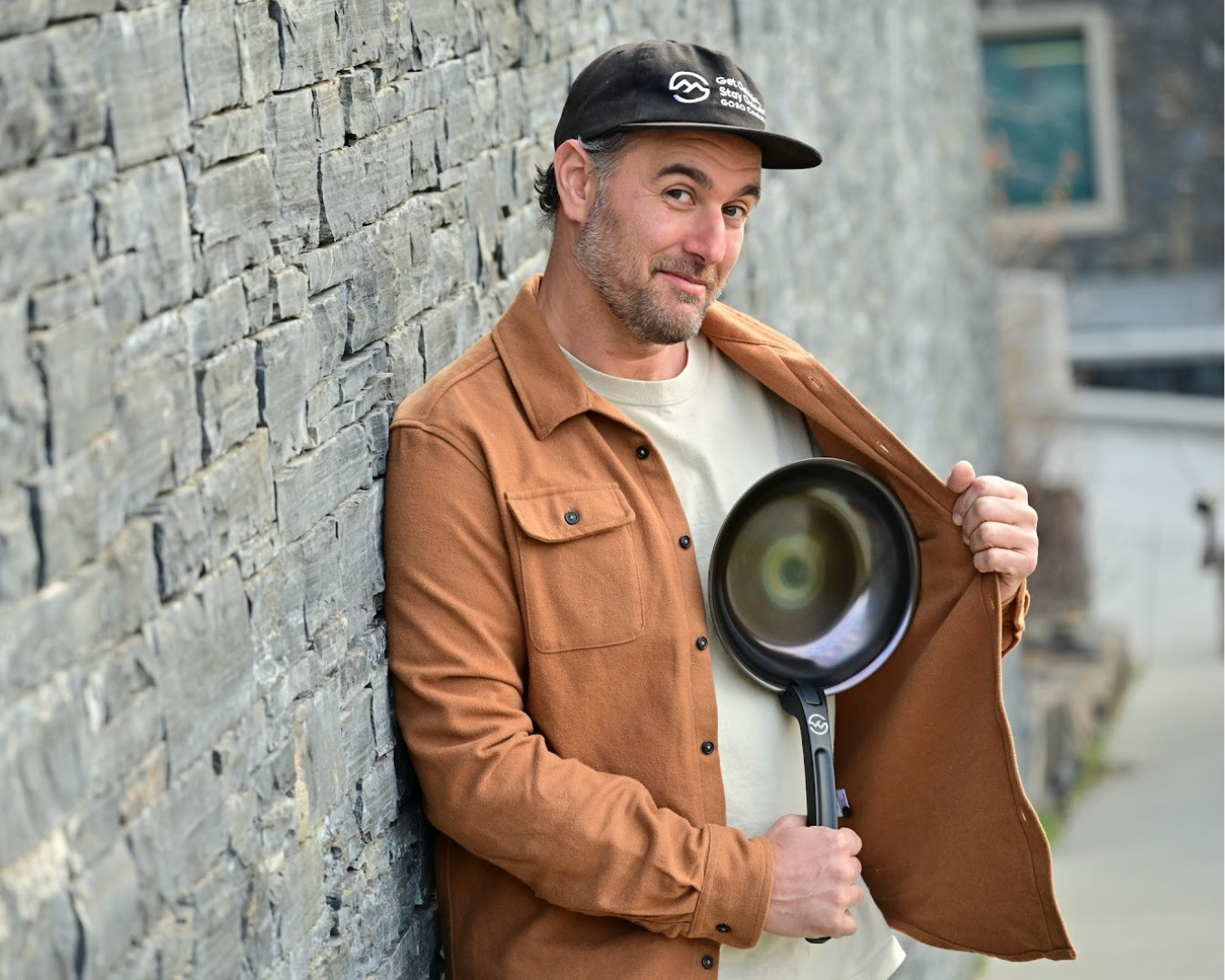
This episode unfolds in three parts: first, Brent’s story and the origin of GOSO Cookware; second, six of his favorite campgrounds in British Columbia’s West Kootenay region; and finally, a handful of simple, delicious recipes that prove you don’t have to settle for mediocre meals just because you’re cooking outside.
To listen to our interview with Brent from GOSO Cookware please click on the media player above or subscribe to the RV Atlas wherever you get your favorite shows.
From South Africa to Ontario to the Mountains of British Columbia
Brent’s love of camping and cooking didn’t start as a trend or a business idea. It started at home.
His parents immigrated to Canada from South Africa, where outdoor cooking and gathering around food were already a big part of their culture. Once in Canada, they embraced canoe tripping and camping as an affordable way to explore their new country. Brent grew up camping, cooking outdoors, and learning how to make meals better—even when the camp menu felt “just okay.”
That instinct followed him into adulthood. He worked as an outdoor guide, ran youth trips, and even earned a university degree in outdoor recreation, parks, and tourism. Camping wasn’t a hobby—it was a through line in his life.
But the moment that truly pushed him into entrepreneurship came after his mom passed away unexpectedly. He shared that her death forced him to look at his own timeline and ask a hard question: If life is shorter than we think, what dreams am I waiting on?
GOSO Cookware was the answer to that question.
The Problem With Most Camp Cookware
If you’ve ever bought a “camping pan” from a big-box store, you know the feeling: it’s lightweight, it packs small… and it cooks terribly.
Brent described being frustrated for years by cookware that felt flimsy, had clunky removable handles, or just didn’t perform like the pans in his home kitchen. On the other end of the spectrum was cast iron—beautiful to cook with, but heavy, awkward to maneuver, and slow to cool down.
What he wanted was simple:
-
A pan that cooked like professional kitchen equipment.
-
Something compact enough for camping.
-
A removable handle that didn’t feel unstable.
-
A product that could last decades.
So he built it.
Why Carbon Steel (And Why It’s Different From Cast Iron)
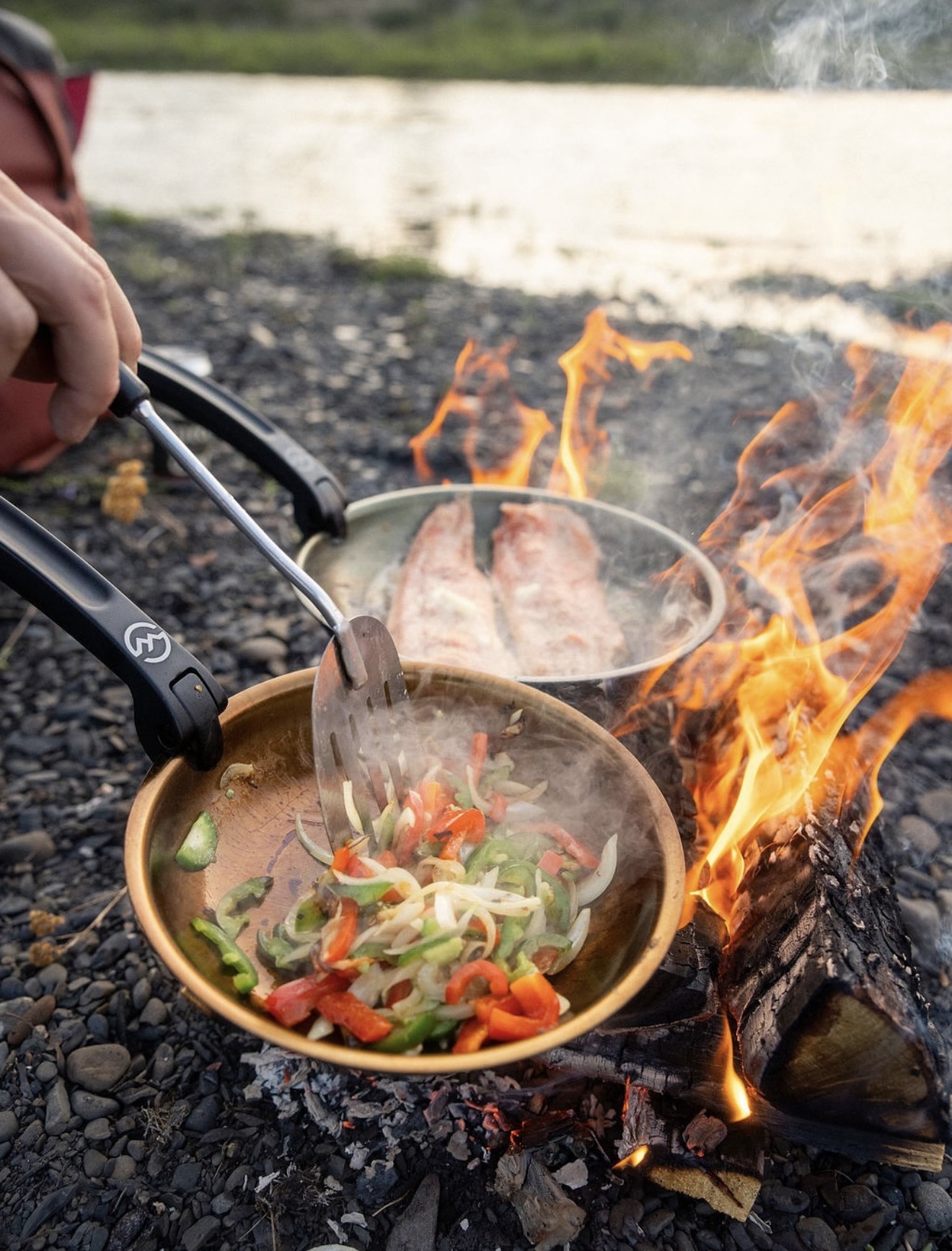
If you’re familiar with cast iron but new to carbon steel, here’s the short version: it gives you many of the same benefits, with some key advantages for camping.
Carbon steel is naturally non-toxic and develops a seasoned surface like cast iron. But it’s significantly lighter, heats up faster, and cools down faster. That last part is especially important at the campground, where you don’t want a blazing-hot pan sitting on a lightweight camp table long after dinner is done.
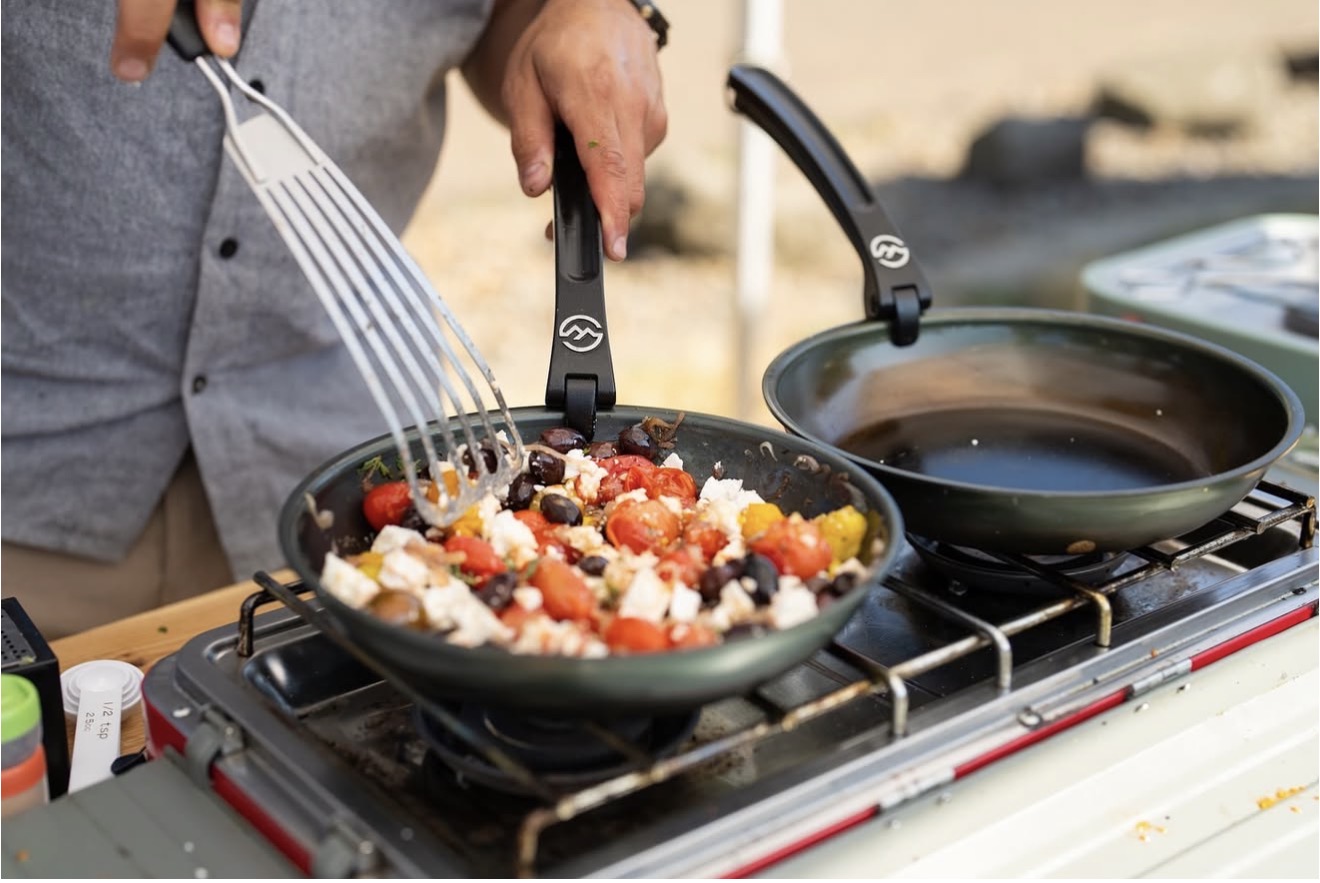
Brent’s pans are made from thick 14-gauge carbon steel in the United States and shaped like traditional professional frying pans—with smooth curves that make it easy to manipulate food.
The real innovation, though, is the removable handle. Instead of feeling loose and janky, the handle clicks securely into place and feels like a full restaurant-quality handle when attached. It’s ergonomic, stable, and designed to be moved easily between pans.
The pan set that we tested (the outdoor gourmet 2-pan set) currently includes:
-
An 8-inch pan
-
A 10-inch pan
-
A removable “Big Bite” handle
-
Optional seasoning paste and leather scratch pad/trivet
The pans nest together for compact storage, and the handle sits right on top—perfect for small RV kitchens, van builds, or overland rigs. Other set variation are available.
Building a Small Business From Scratch
GOSO Cookware launched through a Kickstarter campaign, allowing Brent to test demand and fund the first production run without overextending himself financially. After delivering to Kickstarter backers, the brand officially entered its first full summer season of direct-to-consumer sales.
Right now, the pans are available through his website and at in-person events like the Overland Expos and Venture Van Expo. The long-term vision includes expanding into specialty retailers—but always with a focus on quality, durability, and intentional design.
When we asked about what’s next, Brent mentioned:
-
Lids (currently in development)
-
A larger griddle-style pan
-
High-quality stainless steel pots
-
Eventually expanding the system while keeping the removable handle as the backbone
It’s clear that the goal isn’t to make “more stuff.” It’s to make better gear for people who genuinely love to cook outside.
Camping in the West Kootenay Region of British Columbia
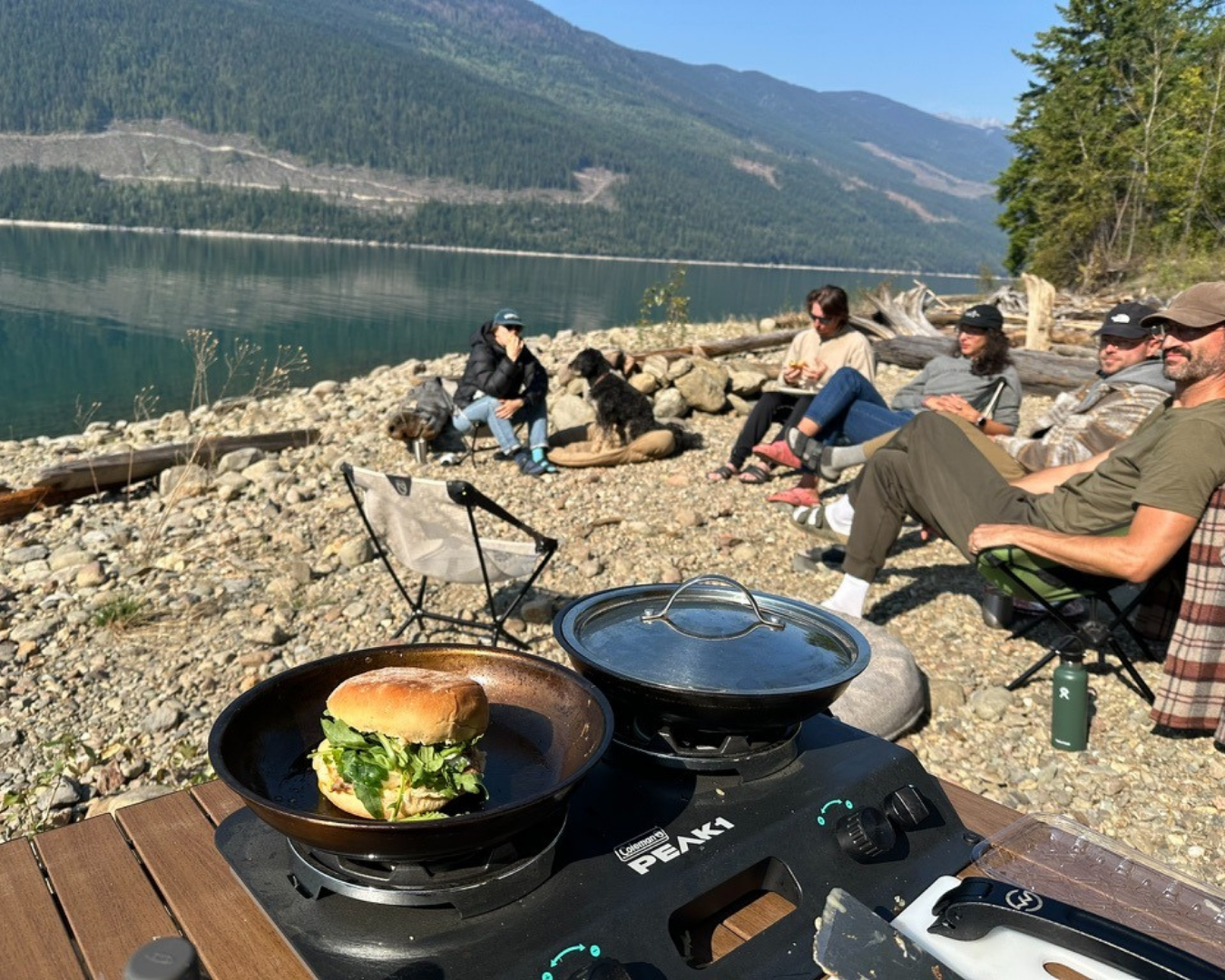
If you’re not familiar with the Kootenays, here’s the headline: it’s one of the most beautiful—and least crowded—regions in western Canada.
Located north of Spokane, Washington, the West Kootenay region is full of:
-
Mountain ranges
-
Glacier-fed rivers
-
Dam-created lakes
-
Remote rec sites
-
Small towns with strong outdoor culture
The population density is low. Access to wilderness is easy. And the variety of camping options is remarkable.
Here are six of Brent’s favorite campgrounds in the region.
Glacier Creek Campground (Duncan Lake)
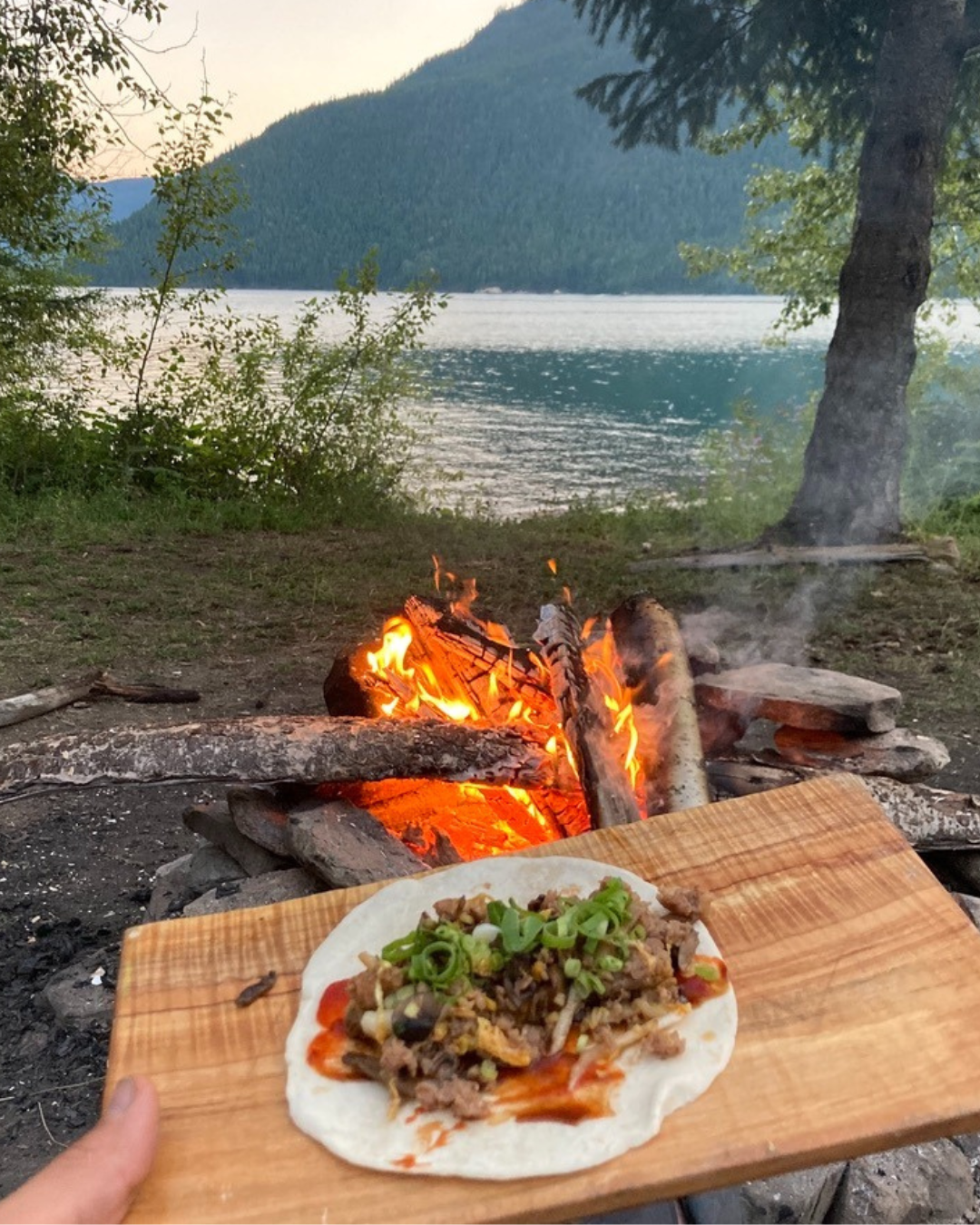
This is a rec site—more primitive, but incredibly scenic. It sits along Duncan Lake, a warm, shallow, dammed lake surrounded by mountains.
There are designated sites, picnic tables, and fire rings, but no hookups. It’s accessible via paved road followed by a well-maintained gravel road. Nearby are incredible day hikes like Monica Meadows and a historic fire lookout site currently being rebuilt after a wildfire.
If you like quiet water, mountain views, and fewer crowds, this is a dream.
Nakusp Hot Springs Resort
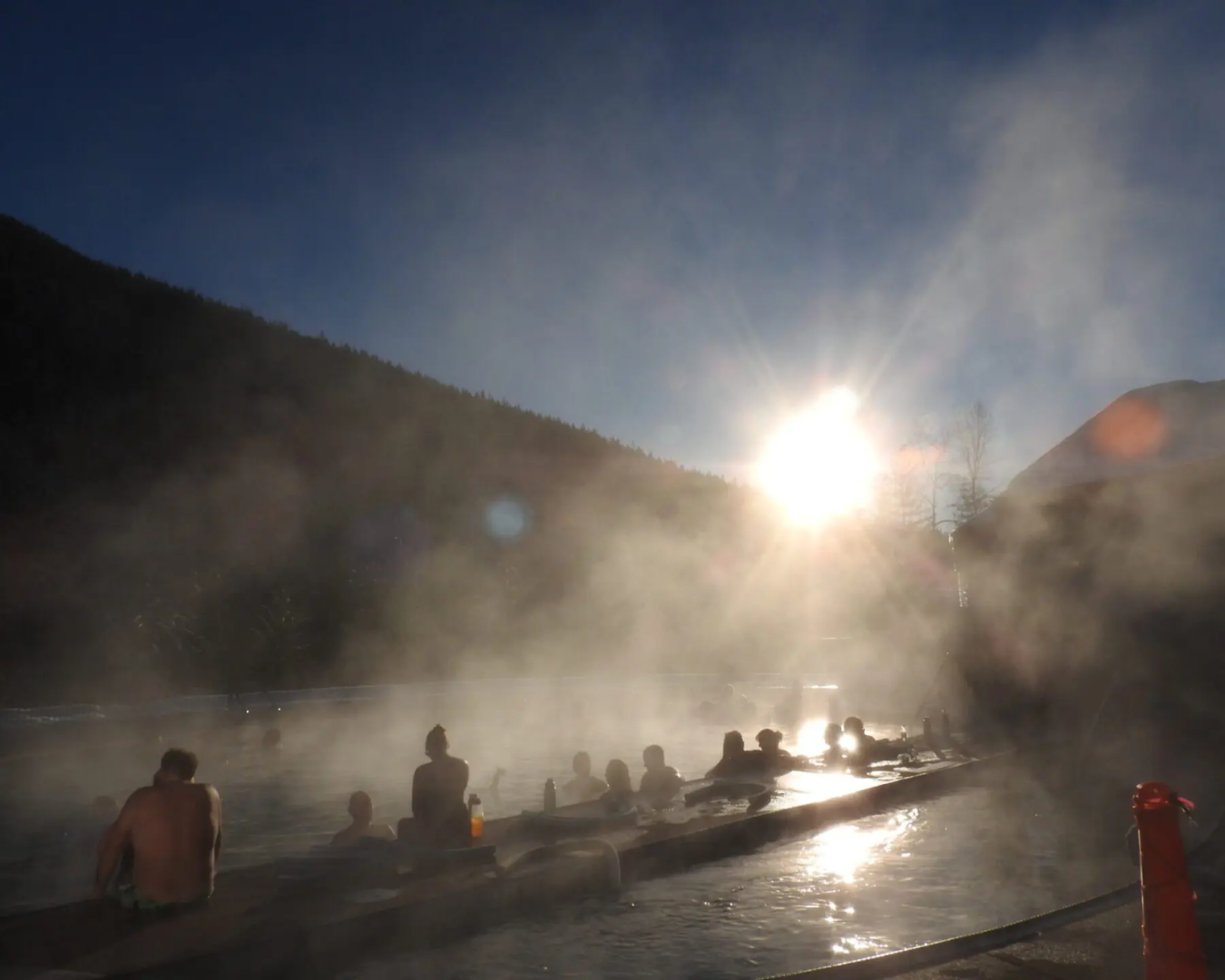
This campground is attached to natural hot springs and operated by the town of Nakusp. It’s more developed, with RV sites and easy access to soaking pools, a restaurant, and nearby lake activities.
The campground itself is simple but comfortable, and the real draw is soaking in hot mineral water while surrounded by mountain views. For RVers who love a good hot spring stop, this one’s hard to beat.
Haddow Creek Rec Site
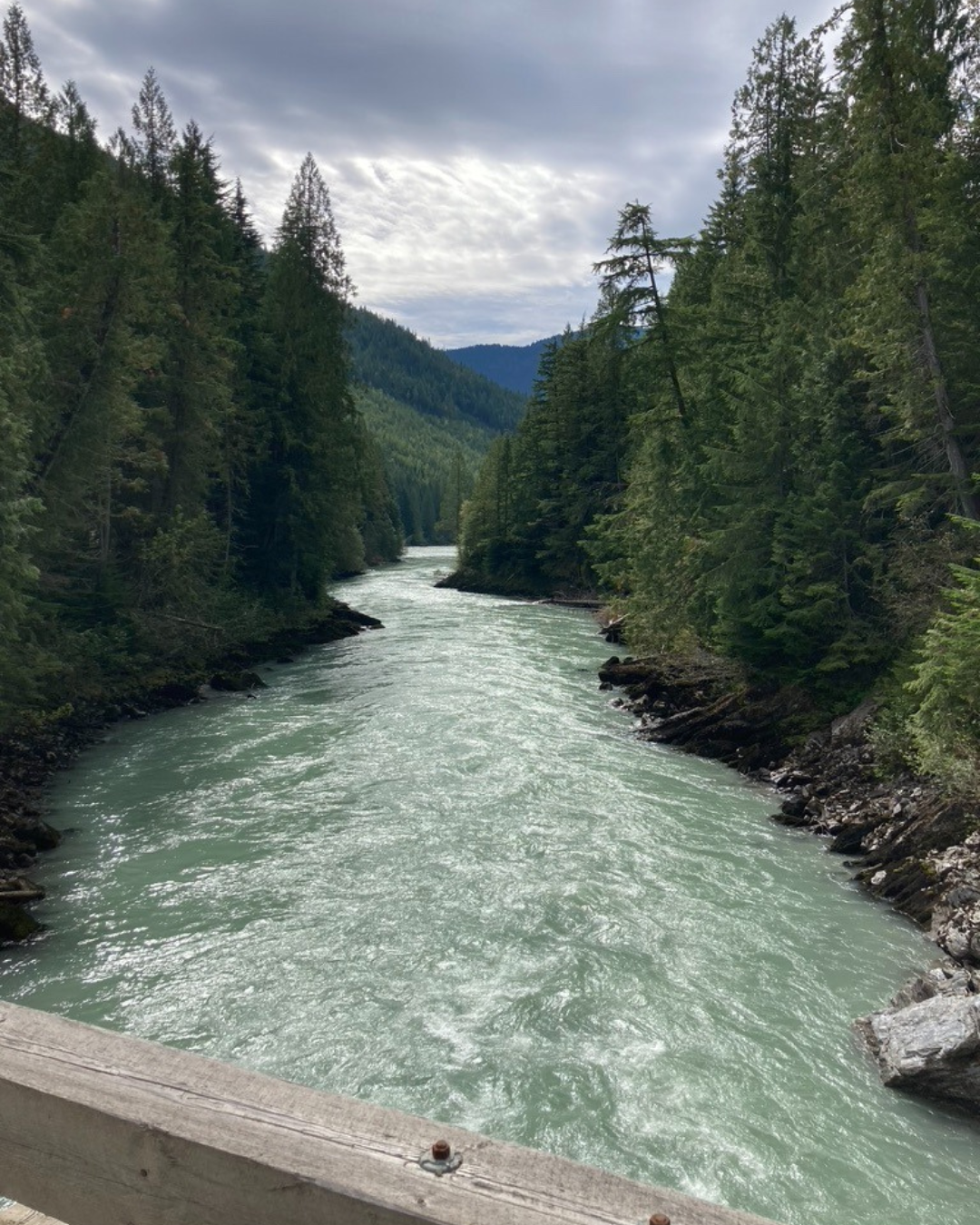
If you want remote beauty, this is it.
Accessible by logging road and best suited for 4×4 rigs or vans, Haddow Creek sits on a rocky bay overlooking a vast, undeveloped wilderness area. The sunsets are stunning, boat traffic is minimal, and the sense of isolation is real.
It’s the kind of place where you feel like you’ve reached the edge of the map.
Garland Bay Rec Site
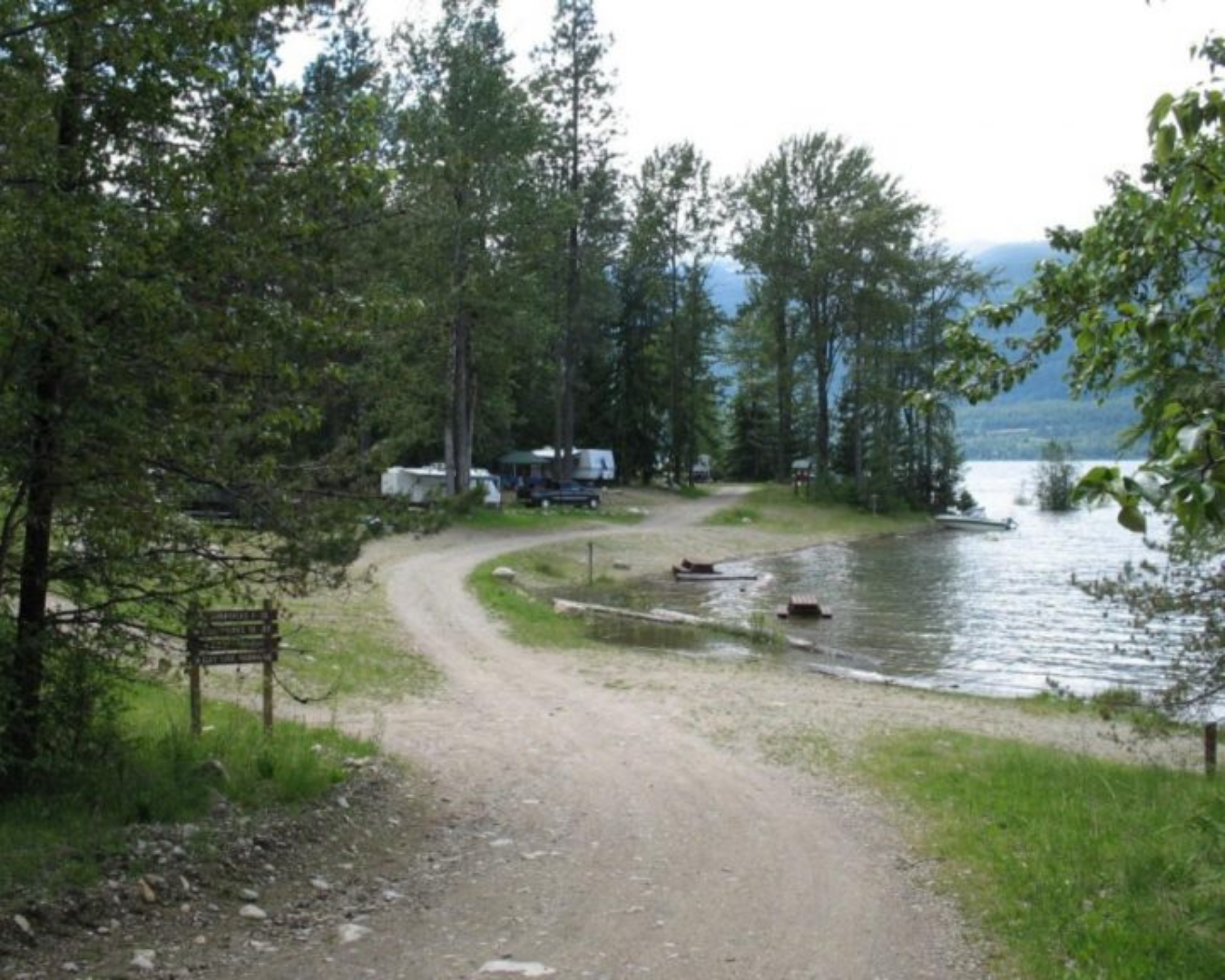
Garland Bay is another scenic, semi-remote campground on a lake, accessible via ferry and logging road. It offers classic rocky beaches, mountain views, and proximity to old mining communities.
It’s quiet, scenic, and ideal for campers who like water access and exploration without resort-style infrastructure.
Syringa Provincial Park
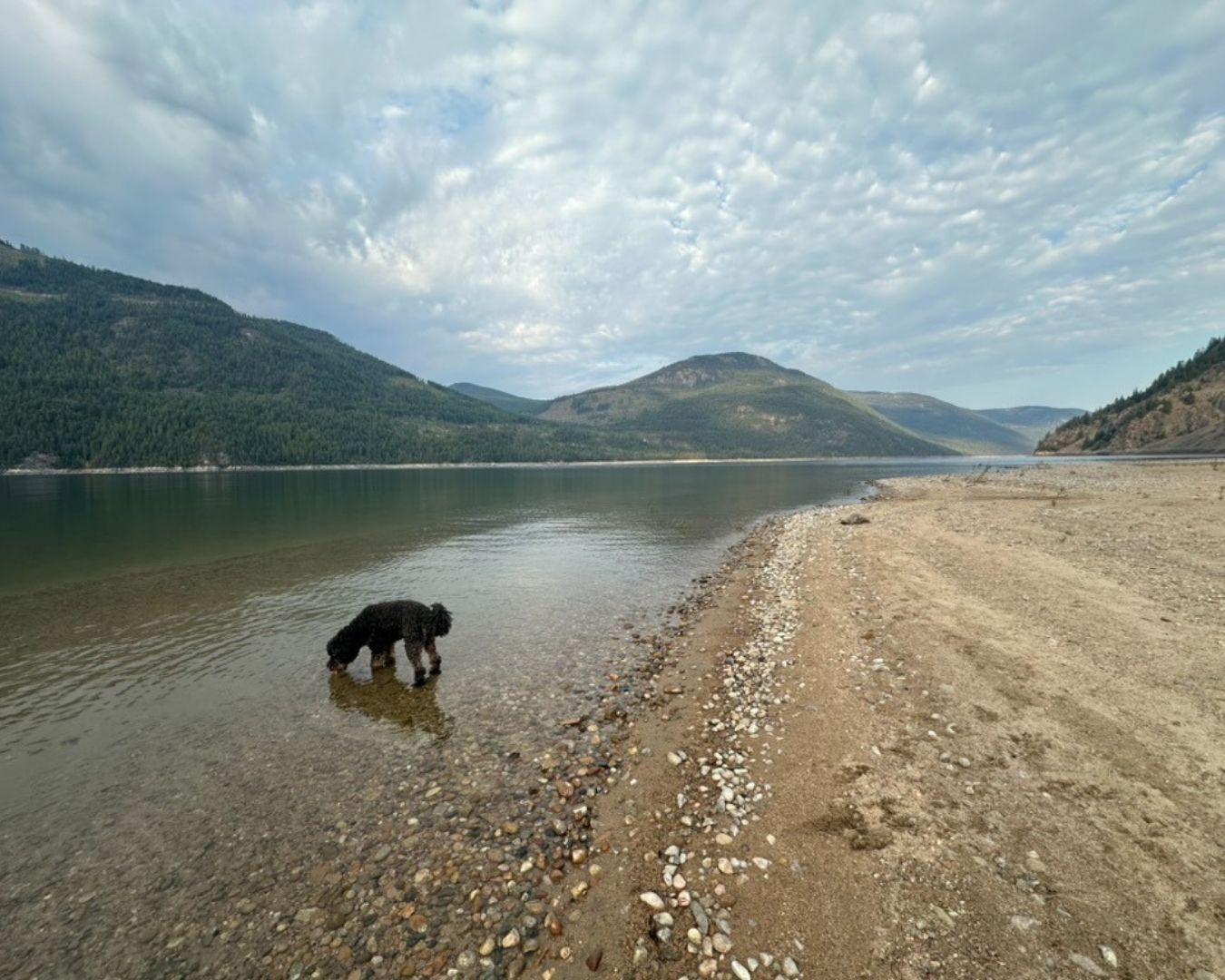
This is a larger, more developed provincial park with electric sites, a dump station, a boat launch, and proximity to a small town.
It’s great for fishing, boating, biking, and exploring nearby rail trails and forest service roads. If you want a blend of accessibility and adventure, Syringa delivers.
Kokanee Creek Provincial Park
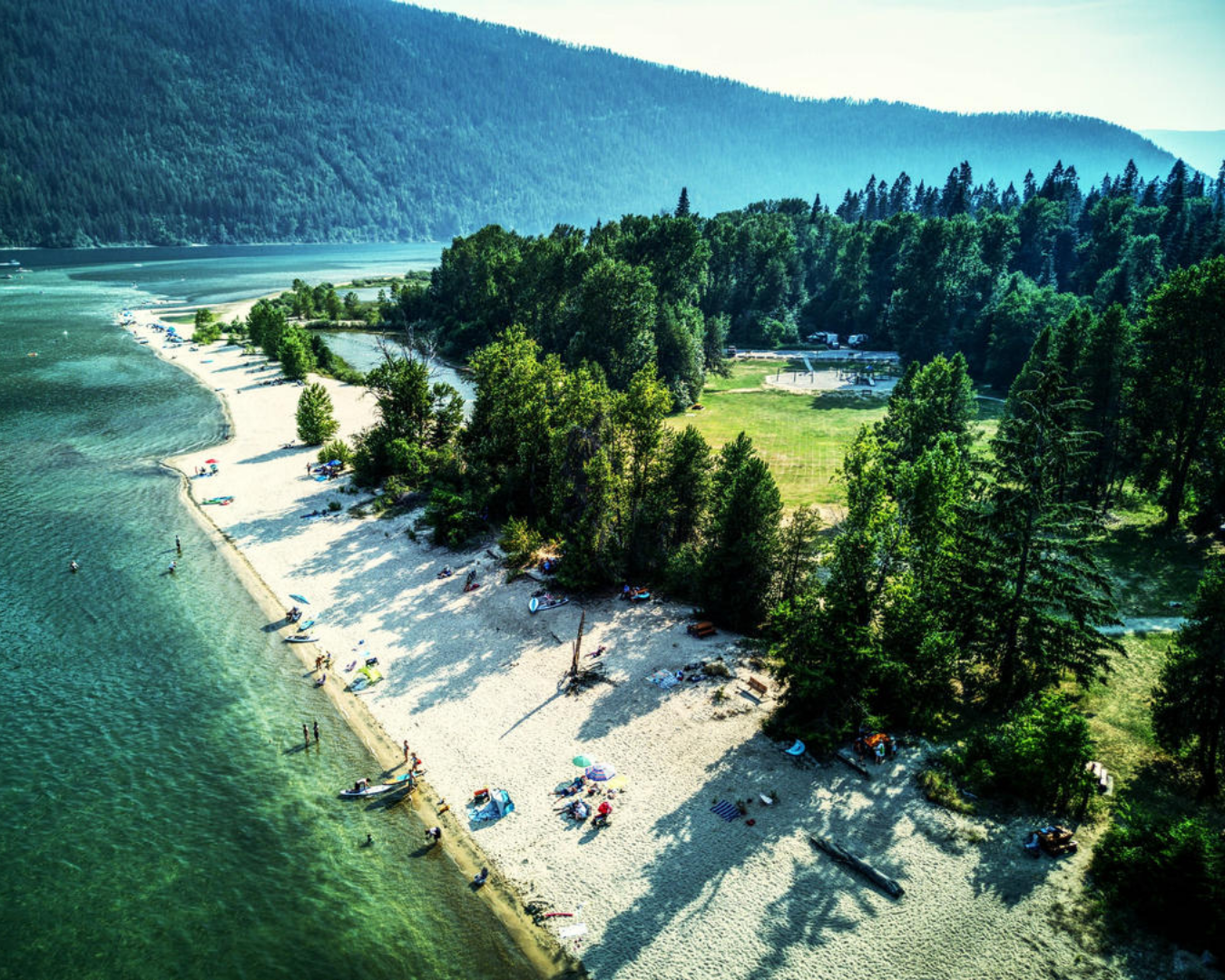
Located about 25 minutes from Nelson, this park sits on a sandy beach with glacier views—an unusual and beautiful contrast.
It features traditional provincial park amenities, playgrounds, an interpretive center, salmon spawning areas in the fall, and easy access to alpine hiking in Kokanee Glacier Provincial Park.
It’s classic summer camping with just enough infrastructure to make it easy.
Five Simple Recipes for Cooking Outside
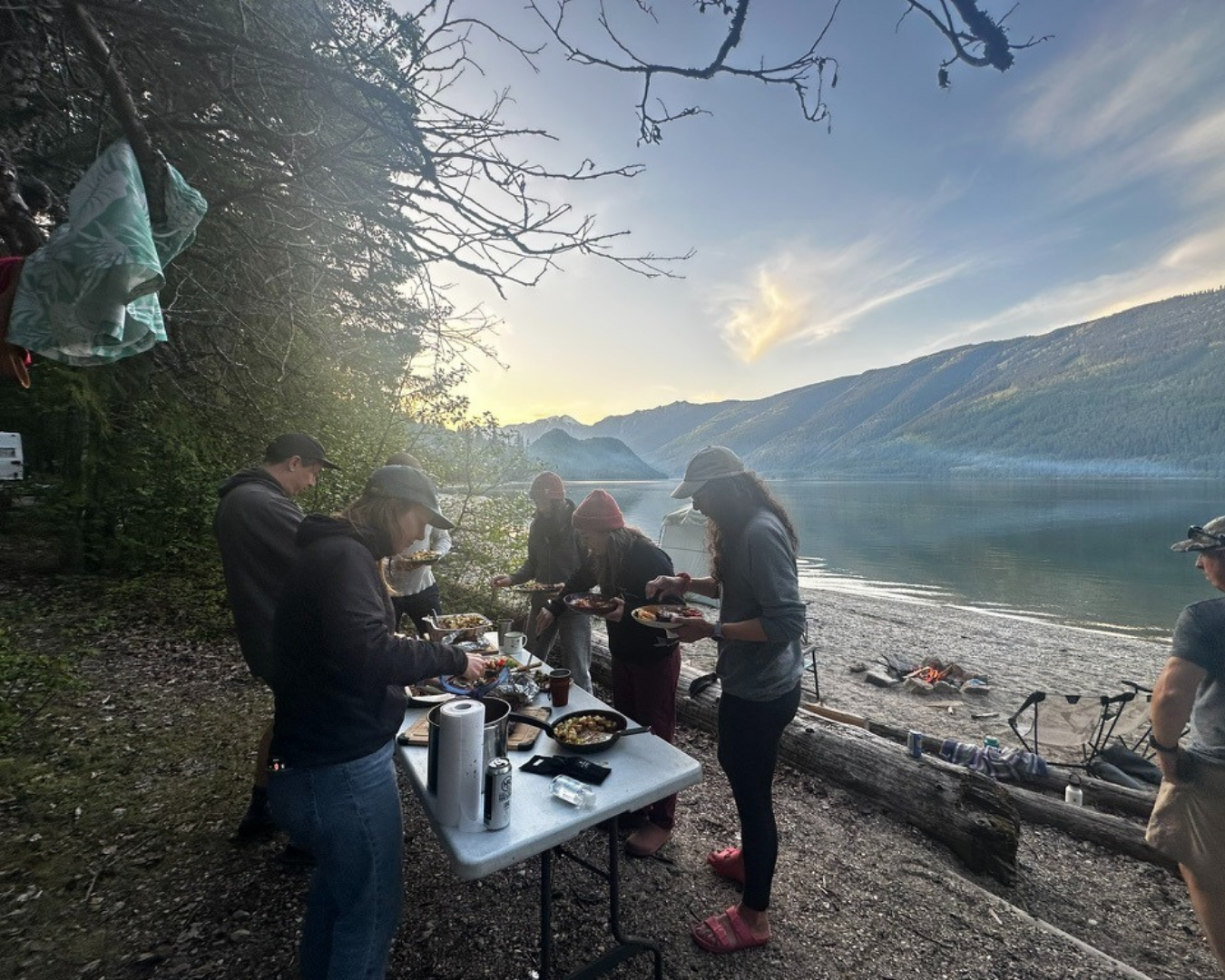
We wrapped up the episode by talking about Brent’s favorite camp-friendly recipes—proof that outdoor cooking can be elevated without being complicated.
Warmed Olives with Citrus and Herbs
A simple appetizer made by warming olives with garlic, rosemary, citrus peel, and olive oil. It’s elegant, shelf-stable, and perfect with a cold drink.
Italian Sausage with Peppers and Onions
Sautéed peppers and onions cooked in the same pan as sausage, topped with provolone or mozzarella on a crusty bun. Fast, hearty, and deeply satisfying.
French Onion Grilled Cheese
Caramelized onions and Gruyère cheese on sourdough, crisped in a carbon steel pan. A portable, camp-ready twist on French onion soup.
Breakfast Sandwich Variations
English muffins, eggs, ham or bacon, and cheese—plus optional upgrades like Brie and apple. Simple platform, endless variations.
Crispy Gnocchi with Burst Tomatoes and Mozzarella
Instead of boiling gnocchi, pan-fry it until crisp. Add blistered cherry tomatoes, basil, and mozzarella for a rich, comforting meal that feels gourmet but requires minimal ingredients.
Final Thoughts
This episode was one of our favorites because it reminds us what camping is really about: slowing down, cooking good food, exploring beautiful places, and building something meaningful.
Brent’s story—from childhood canoe trips to launching a cookware company after a life-changing loss—is a powerful reminder that sometimes the thing you’ve been dreaming about is worth pursuing.
And the West Kootenays? They’re officially on our list.
If you want to follow along with Brent’s adventures, learn more about GOSO Cookware, or see where he’ll be exhibiting next, check out his website and social channels—and if you’re planning a Canadian road trip, consider adding British Columbia to your route.
We’ll see you at the campground.