On this week’s episode of The RV Atlas Podcast, we return to one of our all-time favorite national parks: Olympic National Park.
Joining us is Brooks Smothers, host of the outstanding RV Out West podcast, for an in-depth guide to exploring one of the most diverse and awe-inspiring national parks in America. Brooks has spent years camping and hiking throughout the Pacific Northwest, and he shares many of his favorite places to visit, camp, and explore throughout Olympic National Park and just beyond it.
This episode is packed with practical advice, hidden gems, scenic hikes, beautiful campgrounds, and fascinating stories that will inspire you to start planning your own Olympic National Park adventure.
Whether you’re visiting for the first time or planning a return trip, Olympic National Park offers an incredible mix of mountains, temperate rainforest, alpine lakes, rugged coastline, wildlife, and unforgettable camping experiences.
To listen to our interview with Brooks please click on the media player above–or subscribe to the RV Atlas wherever you get your favorite podcasts!
Why Olympic National Park Is Unlike Any Other National Park
Olympic National Park is enormous.
Unlike many western national parks, you can’t simply drive through it from one side to the other. Instead, visitors explore different sections individually, driving around the park’s perimeter to reach each region.
For this episode, Brooks divided the park into two major areas:
- The northern section around Port Angeles
- The Pacific Coast section
Together, these two regions showcase the incredible diversity that makes Olympic one of America’s most unique national parks.
One of the most fascinating facts Brooks shared is that Olympic contains one of the world’s few temperate rainforests.
There are only seven to ten temperate rainforests on Earth, covering roughly one percent of the planet’s forests, making Olympic National Park a remarkably rare ecosystem.
The Rain Shadow: One of Washington’s Best-Kept Secrets
One surprising feature of Olympic National Park is something known as the rain shadow.
While much of western Washington has a reputation for frequent rain, communities like Port Angeles and Sequim receive significantly less rainfall because the Olympic Mountains block much of the Pacific moisture.
The result is a surprisingly sunny climate that makes the northern gateway communities especially enjoyable places to base an RV trip.
Lake Crescent: Olympic’s Stunning Glacier Lake
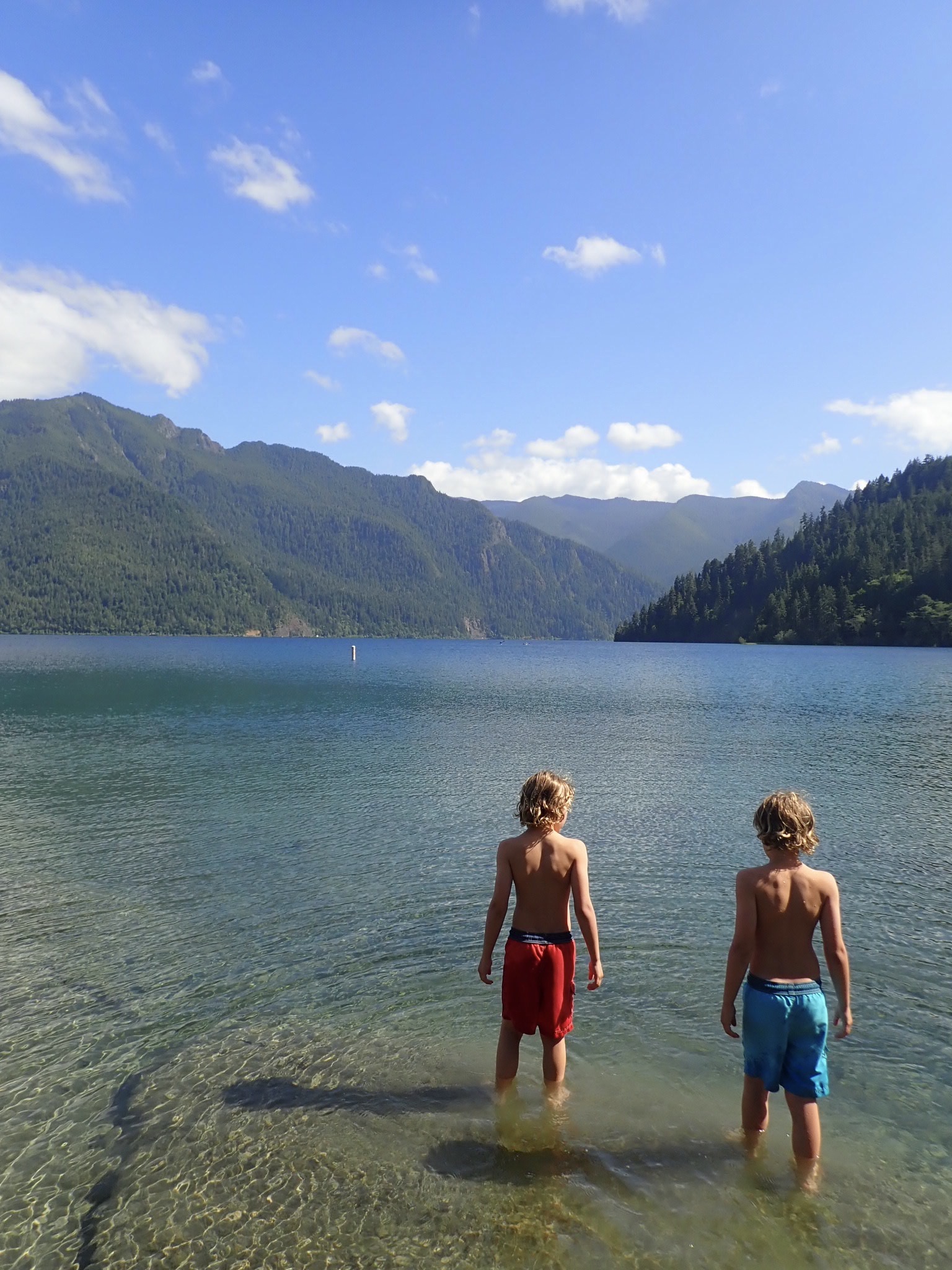
One of Brooks’ first recommendations is Lake Crescent, one of the park’s most breathtaking destinations.
Formed thousands of years ago by glaciers, the lake reaches depths of more than 625 feet while maintaining extraordinary water clarity.
Its brilliant blue water is surrounded by towering evergreen forests and mountain scenery that immediately leaves an impression.
Lake Crescent is accessible for every type of traveler.
Visitors can:
- Drive scenic overlooks
- Launch kayaks or canoes
- Enjoy picnics
- Take photographs
- Explore nearby hiking trails
Brooks also shared one of the lake’s most fascinating stories.
Hidden beneath Lake Crescent lies the remains of Piedmont, a former logging and resort community that slowly disappeared beneath the water after shoreline erosion caused sections of the settlement to collapse into the lake. Thanks to the cold freshwater, many of those remnants remain remarkably well preserved.
Devil’s Punchbowl
A short distance from Lake Crescent lies one of the area’s most popular destinations.
The Devil’s Punchbowl is reached via the Spruce Railroad Trail, a relatively easy 2.5-mile round-trip walk that follows an old railroad grade.
The trail ends at a dramatic swimming hole where adventurous visitors leap from a bridge into the crystal-clear, glacier-fed water below.
Even during the hottest summer days, Brooks warns that the water remains incredibly cold.
For those who prefer to stay dry, it’s simply a beautiful place to relax and enjoy another perspective of Lake Crescent.
Hurricane Ridge
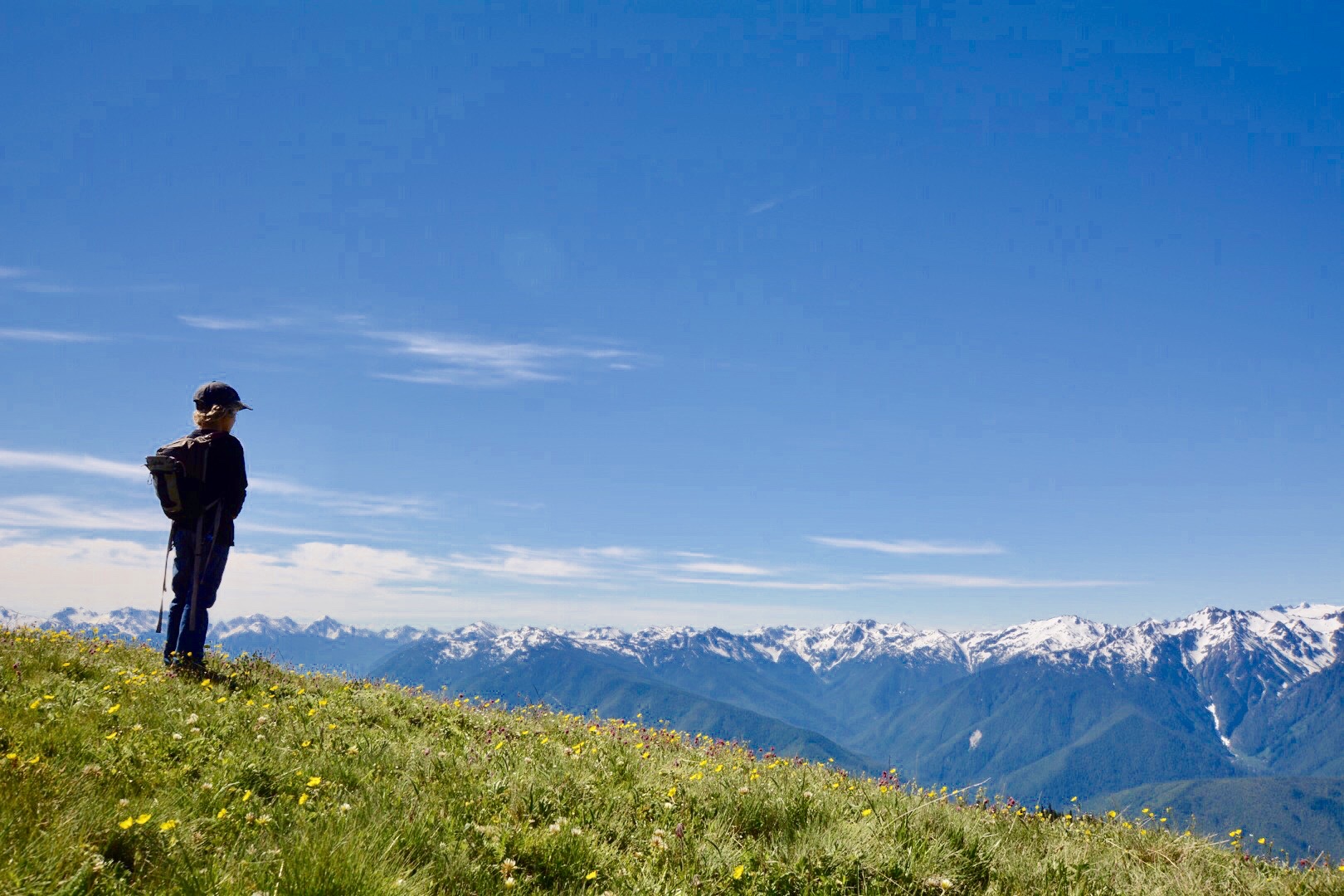
No visit to Olympic National Park feels complete without spending time at Hurricane Ridge.
Just a short drive from Port Angeles, Hurricane Ridge offers spectacular mountain scenery and access to numerous hiking trails.
Whether you’re looking for:
- Short scenic walks
- Moderate day hikes
- Longer backcountry adventures
Hurricane Ridge provides options for every ability level.
Brooks also recommends using the Washington Trails Association website before your trip. Recent trail reports submitted by hikers provide up-to-date information about snow conditions, fallen trees, and trail accessibility.
Cape Flattery
One destination Brooks is especially excited to revisit is Cape Flattery, the northwesternmost point in the contiguous United States.
Reached via an easy 1.5-mile boardwalk trail, Cape Flattery rewards visitors with dramatic sea cliffs, crashing surf, sea stacks, and spectacular sunset photography opportunities.
The views are among the most iconic in the Pacific Northwest, making this one of the region’s premier photography locations.
Dungeness Spit
Another favorite lies just outside the national park.
Dungeness Spit stretches five and a half miles into the Strait of Juan de Fuca, creating one of the longest natural sand spits in North America.
Visitors can:
- Birdwatch
- Beachcomb
- Explore driftwood-covered shoreline
- Walk to the historic lighthouse
Those willing to complete the full eleven-mile round-trip hike are rewarded with a visit to the New Dungeness Lighthouse.
Even more unique is the lighthouse’s volunteer keeper program, which allows participants to spend an entire week living at the lighthouse while helping welcome visitors.
The Elwha River Restoration
One of Olympic National Park’s greatest conservation success stories is unfolding along the Elwha River.
Following the removal of two major dams in 2011 and 2014, more than 70 miles of salmon habitat reopened for native fish species.
Today, visitors can witness one of the largest ecosystem restoration projects in American history.
Old-growth forests, waterfalls, river overlooks, and thriving salmon populations make the Elwha Valley an inspiring destination for anyone interested in conservation and natural history.
Honorable Mentions Around Port Angeles and Sequim
Brooks also recommends several memorable stops just outside the national park.
Olympic Game Farm
Families will love driving through the Olympic Game Farm, where visitors encounter bison, bears, elk, and other wildlife from the comfort of their own vehicle.
The bison are especially memorable—and notoriously enthusiastic when visitors purchase bread to feed them.
Sequim Lavender Festival
If you’re visiting during the third weekend in July, don’t miss the Sequim Lavender Festival.
Purple fields stretch across the landscape while local farms celebrate everything lavender with food, products, demonstrations, and events.
Diamond Knot Shipwreck
Experienced scuba divers can explore the historic wreck of the Diamond Knot, one of the Pacific Northwest’s most famous dive sites.
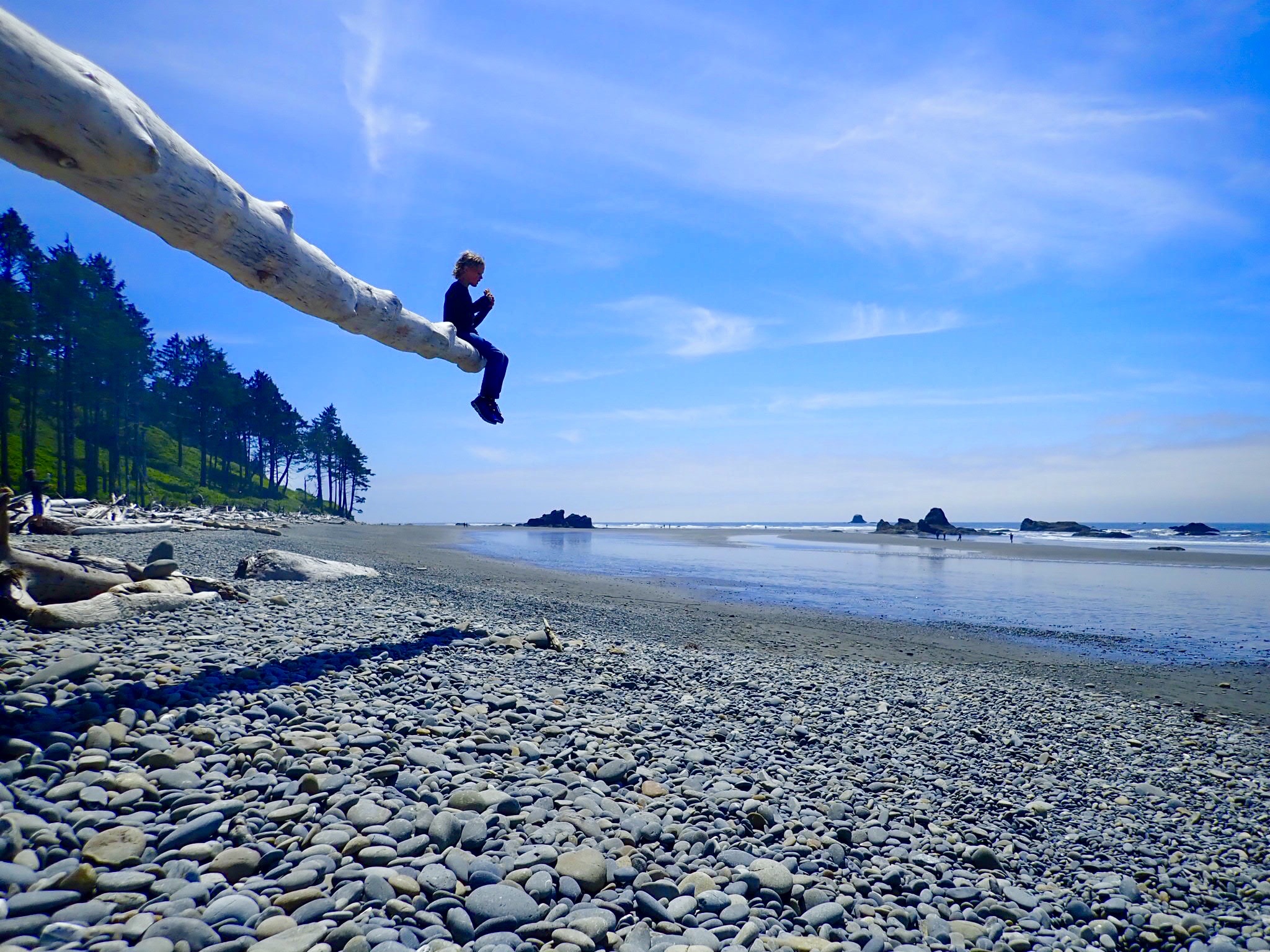
Ruby Beach
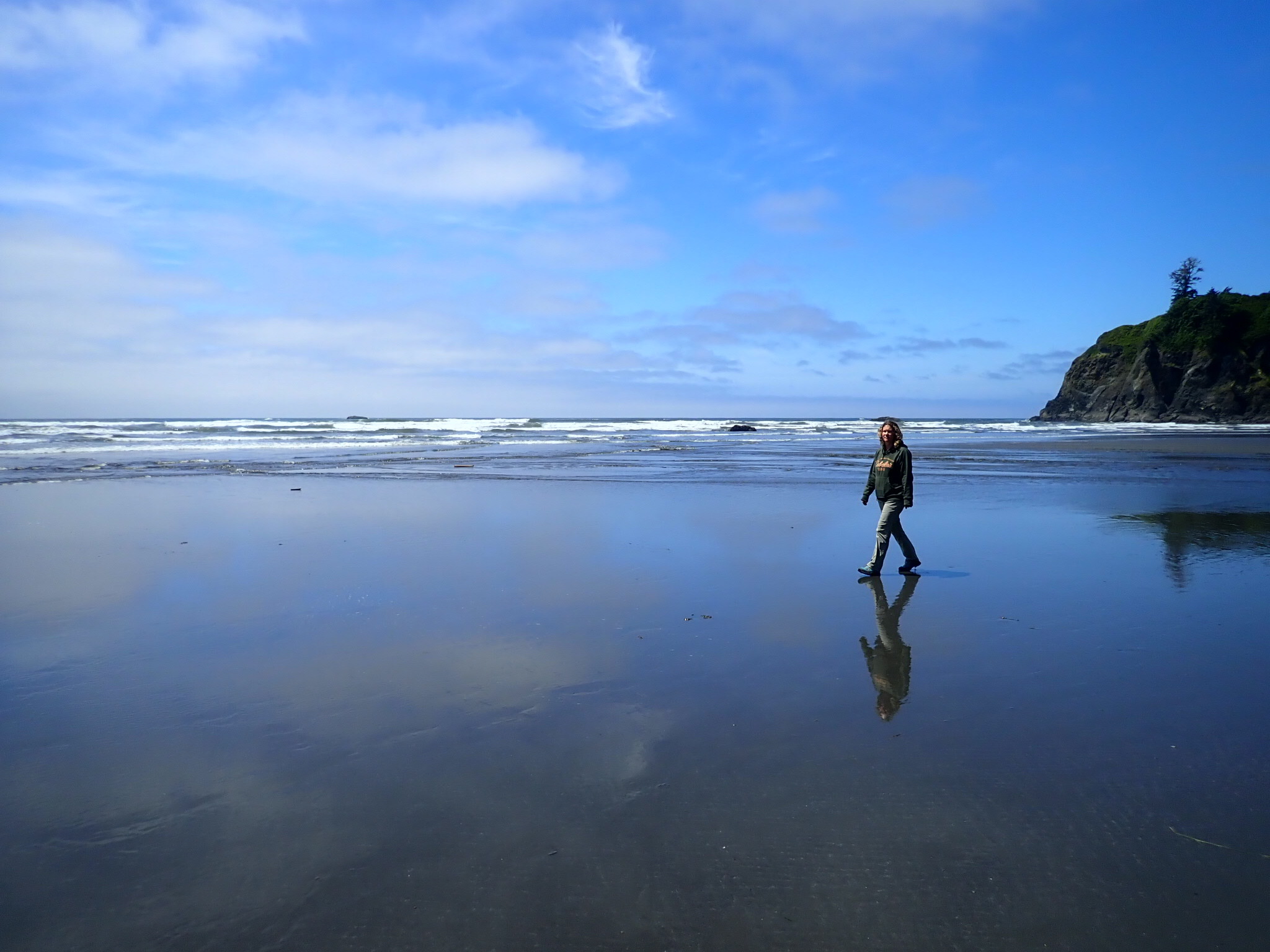
Moving west to Olympic’s Pacific coastline, Brooks begins with one of the park’s most famous destinations: Ruby Beach.
This is the classic Pacific Northwest shoreline:
- Massive sea stacks
- Tide pools
- Driftwood-covered beaches
- Rugged coastline
- Powerful surf
Unlike sandy East Coast beaches, Ruby Beach is meant for exploring rather than lounging.
It’s a photographer’s paradise and one of Olympic’s signature landscapes.
Third Beach
For visitors seeking a quieter coastal experience, Third Beach offers another unforgettable adventure.
A 3.6-mile round-trip hike winds through dense forest before opening onto dramatic ocean scenery filled with sea stacks and crashing waves.
The journey through the forest makes the final reveal even more spectacular.
The Tree of Life
One of Olympic’s most photographed natural wonders is the famous Tree of Life.
This remarkable Sitka spruce appears to float above an eroded ravine, with its exposed roots somehow continuing to support the massive tree.
It’s a fascinating reminder of nature’s resilience—and an irresistible stop for photographers.
Sol Duc Hot Springs
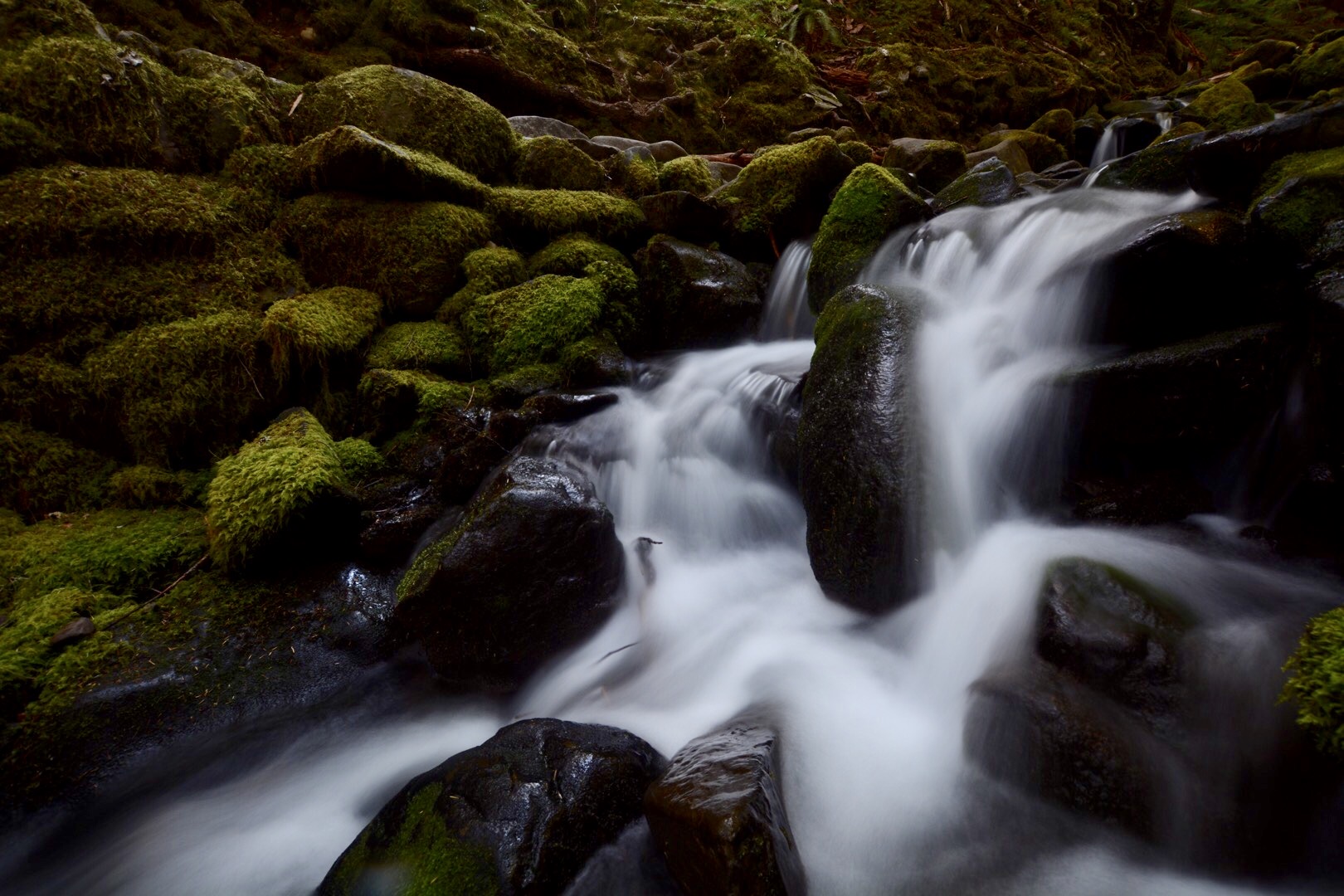
Few places offer a better opportunity to unwind than Sol Duc Hot Springs.
Naturally heated mineral pools provide a relaxing break after days spent hiking and exploring the park.
Visitors can enjoy:
- Mineral soaking pools
- Resort accommodations
- Campground access
- Nearby hiking trails and waterfalls
For those seeking a more rustic experience, additional natural hot springs can also be found elsewhere within the Olympic region.
Camping Near Olympic National Park
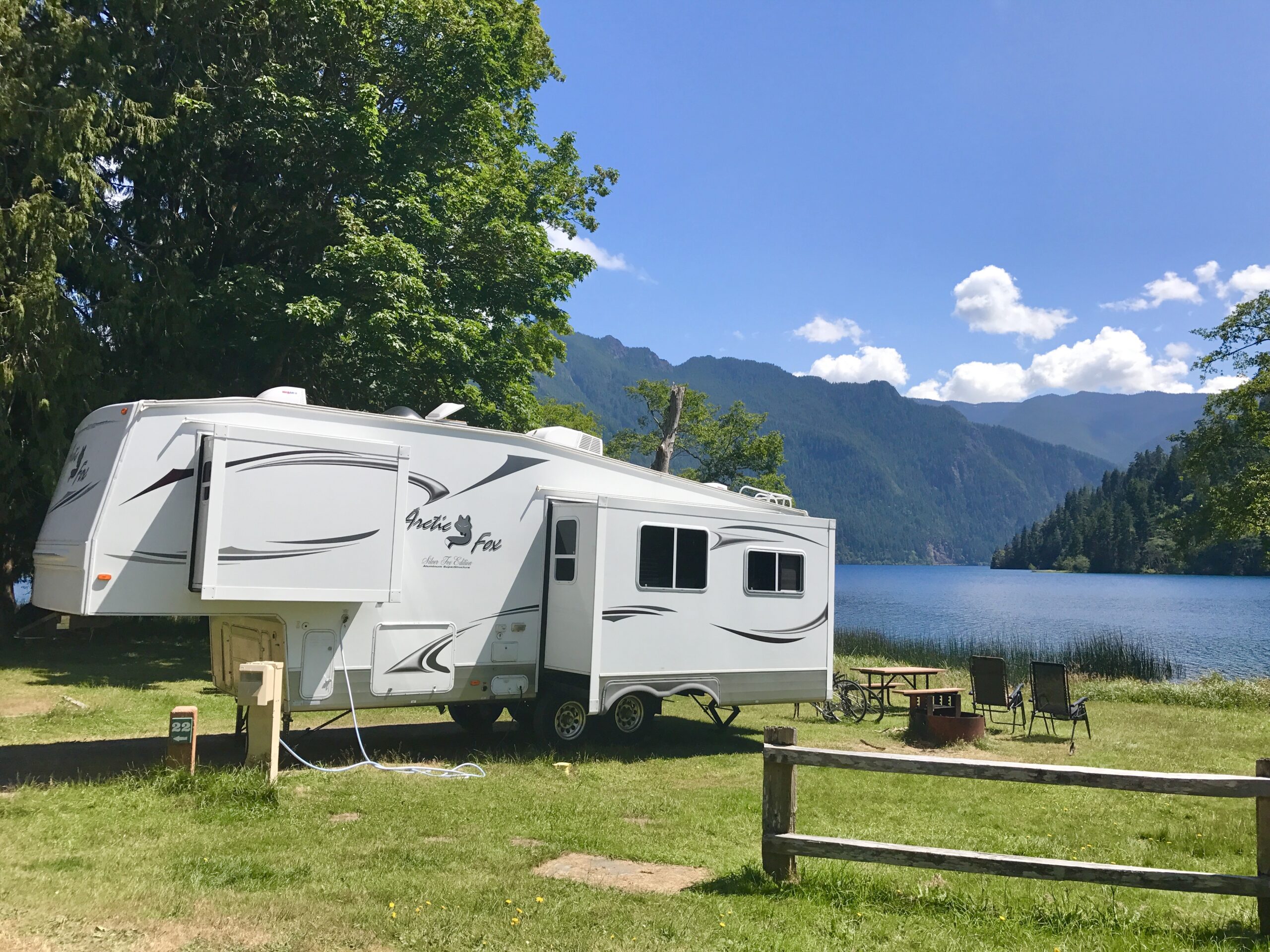
Brooks highlighted several outstanding campground options.
Dungeness Recreation Area
This county campground overlooks the Strait of Juan de Fuca and offers:
- 66 campsites
- Water and electric sites
- Dump station
- Easy access to Dungeness Spit
The bluff-top setting provides spectacular views across the water toward Canada.
Salt Creek Recreation Area
Located west of Port Angeles, Salt Creek Recreation Area offers:
- Beautiful waterfront campsites
- Tide pooling
- Scenic ocean views
- Easy access to Olympic National Park
Jeremy called it one of the most beautiful campgrounds he has ever visited.
Sol Duc Hot Springs Campground
Located within the national park, this campground provides convenient access to:
- Sol Duc Hot Springs
- Hiking trails
- Old-growth forest
- Water and electric sites
- Dump station
It’s an ideal basecamp for exploring the interior of the park.
Quileute Oceanside Resort
One campground Brooks is especially excited about is Quileute Oceanside Resort in La Push.
Located directly on tribal land overlooking the Pacific Ocean, many campsites sit just steps from the beach.
With full hookups and immediate access to the coast, it makes an outstanding home base for exploring Ruby Beach, Third Beach, and other coastal highlights.
Fly In and Rent an RV
One of the most practical tips from this episode is not to let geography keep you from experiencing Olympic National Park.
Rather than towing across the country, Brooks recommends flying into Seattle and renting an RV or camper van.
One particularly fun option is Peace Vans, which rents restored Volkswagen Vanagons alongside newer camper vans, offering travelers an authentic Pacific Northwest road-trip experience.
Final Thoughts
Olympic National Park remains one of the most diverse and rewarding destinations in the National Park System.
Few places combine:
- Temperate rainforest
- Alpine mountains
- Glacier lakes
- Rugged Pacific coastline
- Historic lighthouses
- Hot springs
- Wildlife
- Outstanding camping
Into one unforgettable destination.
Whether you’re paddling across Lake Crescent, hiking Hurricane Ridge, exploring Ruby Beach, relaxing in Sol Duc Hot Springs, or watching the sunset from Cape Flattery, Olympic National Park delivers an experience unlike anywhere else in North America.
If you’ve been waiting for the perfect excuse to plan an RV trip to Washington’s Olympic Peninsula, this episode—and this incredible national park—might just be it.
We’ll see you at the campground.