America’s national parks are filled with breathtaking scenery, incredible wildlife, and fascinating history. But some of these beautiful destinations also have a darker side. From Civil War battlefields where visitors report seeing ghostly soldiers to abandoned mining towns, mysterious mountain forests, and historic lodges with unexplained footsteps, there are plenty of places where an ordinary national park adventure can take a spooky turn.
Just in time for Halloween, we’re welcoming Shannon Minner back to The RV Atlas for the fourth installment of our annual Haunted RV Road Trip series. Shannon is a school librarian, longtime RVer, and paranormal enthusiast who has spent 20 years working with a local ghost-hunting team. She knows a thing or two about tracking down a good ghost story, and this year she’s taking us to five of America’s most intriguing haunted national park destinations.
We’re exploring Gettysburg National Military Park, Death Valley National Park, New River Gorge National Park and Preserve, Great Smoky Mountains National Park, and Crater Lake National Park. Along the way, Shannon shares the legends surrounding each destination, specific places to explore, campground recommendations, and important safety tips for visitors.
Whether you’re a dedicated believer in the paranormal, a skeptic who loves a good ghost story, or simply an RVer looking for a different kind of national park adventure, these destinations offer plenty of reasons to plan a trip.
Listen to the complete episode of The RV Atlas podcast in the media player above–or wherever you get your favorite shows!
Gettysburg National Military Park, Pennsylvania: Ghosts of the Civil War
Gettysburg is one of the most historically significant destinations in the United States, and it’s also widely considered one of the country’s most haunted places.
The three-day Battle of Gettysburg in July 1863 resulted in an estimated 46,000 to 51,000 casualties, including soldiers killed, wounded, captured, or missing. With that much suffering concentrated in such a small area, it’s easy to understand why Gettysburg has inspired generations of ghost stories.
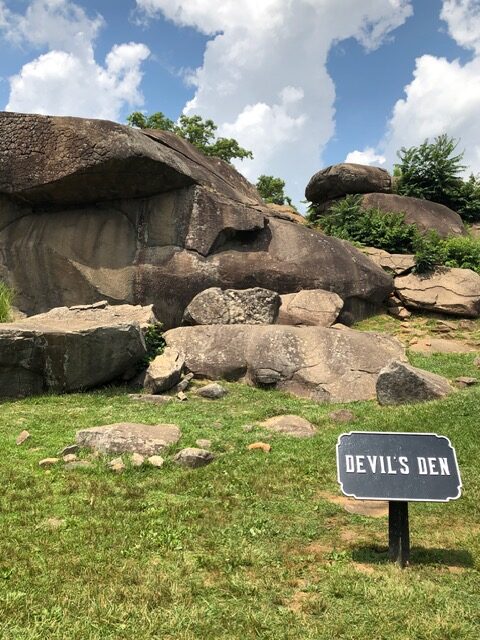
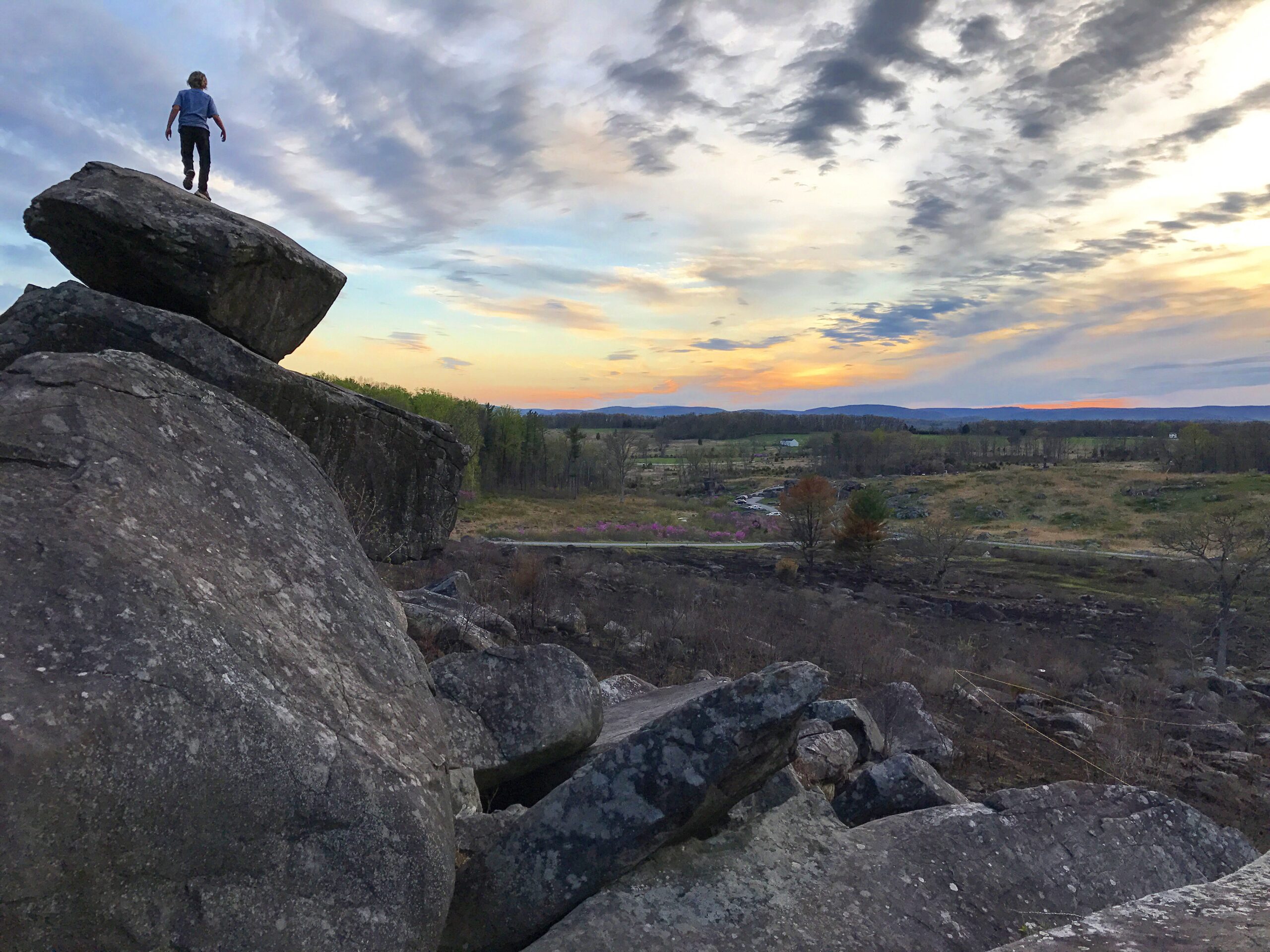
Jeremy and Stephanie visited Gettysburg with their boys when they were young and remembers feeling the emotional weight of the battlefield. At Devil’s Den, the kids happily scrambled over the enormous boulders while the adults reflected on the terrible events that had unfolded there. That contrast between a beautiful place to explore and its tragic history can feel unsettling, even in broad daylight.
Haunted Places to Visit in Gettysburg
Devil’s Den
Devil’s Den is a dramatic collection of massive boulders that played an important role during the second day of the Battle of Gettysburg. The area witnessed intense fighting and enormous loss of life.
Many soldiers who died during the battle were initially buried where they fell or in temporary graves. According to paranormal lore, the violent deaths and unsettled circumstances surrounding these burials may help explain the battlefield’s reputation for hauntings.
Even without a ghost sighting, Devil’s Den is a memorable stop for visitors interested in Civil War history.
Sachs Covered Bridge
Located a short drive from the main battlefield, Sachs Covered Bridge is another popular destination for paranormal enthusiasts.
Local ghost stories tell of Confederate soldiers who were allegedly executed at the bridge after attempting to pass themselves off as Union soldiers. Visitors have reported seeing apparitions of soldiers around the structure.
The bridge is worth visiting for its historic architecture and scenic setting, regardless of whether you encounter anything supernatural.
Jennie Wade House
The Jennie Wade House tells one of Gettysburg’s most tragic civilian stories.
Jennie Wade was a 20-year-old seamstress who was helping her sister care for a newborn when fighting broke out in Gettysburg. While preparing bread, she was struck and killed by a bullet that passed through two doors.
She is remembered as the only civilian killed directly by gunfire during the battle.
Today, visitors to the house have reported unexplained sensations, including feeling pushed, scratched, or pinched by something they cannot see. The historic house is a popular stop for both history enthusiasts and ghost hunters.
Gettysburg National Cemetery
Gettysburg National Cemetery is the final resting place of thousands of Union soldiers and the location where Abraham Lincoln delivered the Gettysburg Address.
It’s an important place for reflection and remembrance. Visitors should be particularly respectful of cemetery regulations and visiting hours.
Ghost Tours in Gettysburg
One of the best things about Gettysburg is the variety of organized ghost tours available.
Visitors can choose from family-friendly walking tours, paranormal investigations using ghost-hunting equipment, haunted pub crawls, and even carriage tours.
Shannon has participated in paranormal investigation tours and appreciates the opportunity to explore historic locations with knowledgeable guides. Organized tours are also a sensible way to enjoy the spooky side of Gettysburg without trespassing on private property or entering restricted areas.
Where to Camp Near Gettysburg
Gettysburg Battlefield KOA
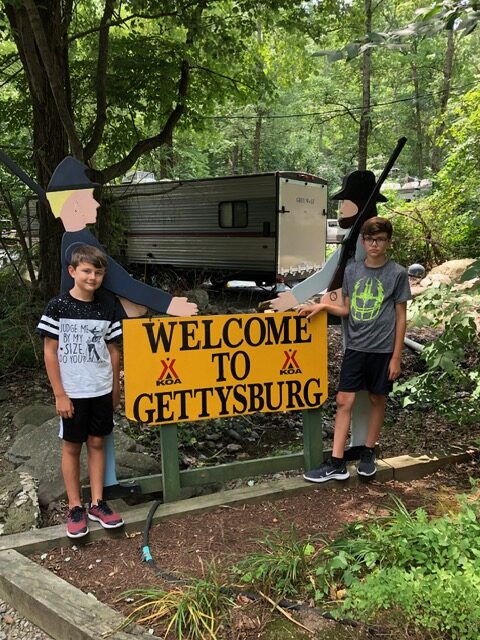
Gettysburg Battlefield KOA is one of Shannon’s personal favorites, and Jeremy agrees. In fact, he considers it one of the top KOA campgrounds we’ve visited over the years.
Shannon particularly loved the heavily shaded campsites. The campground also offers a swimming pool, miniature golf, a dog park, and family activities.
During Shannon’s 2019 visit, the campground organized a Gettysburg photo hunt that encouraged families to explore the campground and battlefield while completing challenges.
With RV sites, tent camping, and cabin accommodations, this KOA works well for different kinds of travelers.
Artillery Ridge Campground
Artillery Ridge is another popular option among members of our RV Atlas community.
The campground is conveniently located near battlefield trails, museums, and monuments. Shannon also discovered that the campground has advertised a complimentary historical ghost walk on select weekends.
For visitors planning a haunted Gettysburg getaway, that combination of campground convenience and ghost-themed activities makes Artillery Ridge particularly appealing.
Death Valley National Park, California: Ghost Towns and Mysterious Apparitions
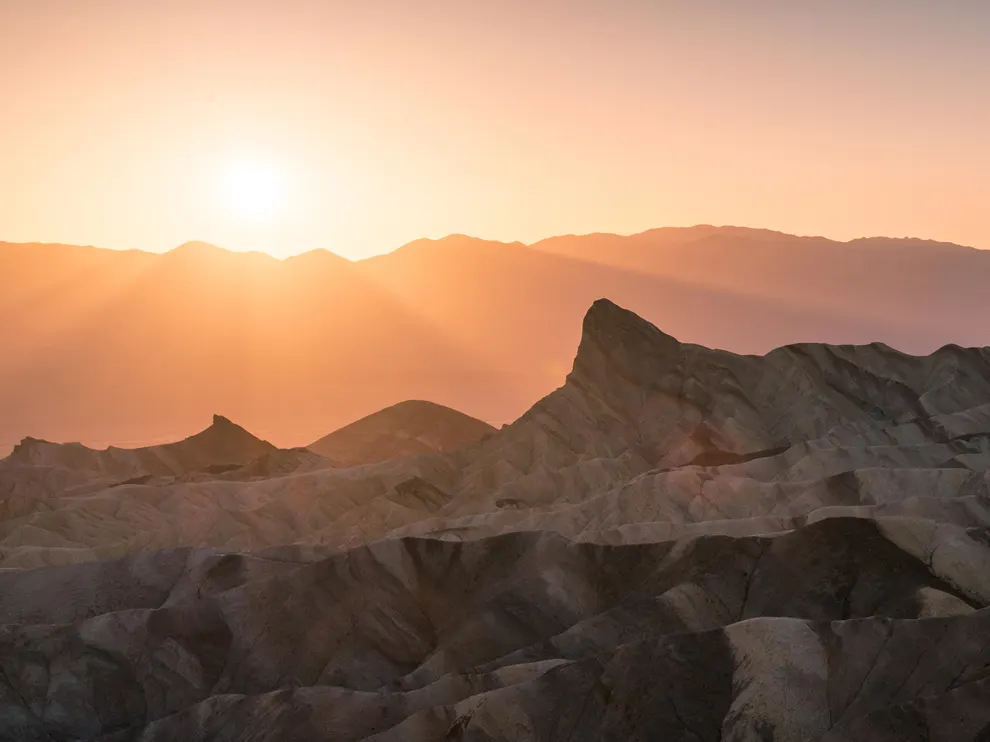
With a name like Death Valley, it’s no surprise that this national park has its share of eerie legends.
Death Valley is famous for its extreme temperatures, remote desert landscapes, and abandoned mining communities. While the park’s natural beauty is extraordinary, the combination of isolation and remnants of long-forgotten settlements creates an atmosphere that can feel genuinely unsettling.
Shannon recommends several historic destinations for visitors interested in exploring the paranormal side of Death Valley.
Haunted Places to Explore Near Death Valley
Rhyolite Ghost Town
Rhyolite is an abandoned mining town located outside the national park boundary near Beatty, Nevada.
During the early 1900s, Rhyolite was a thriving community with hotels, stores, schools, an ice plant, and electrical facilities. But the boom was short-lived, and the community was largely abandoned by 1916.
Today, the ruins provide a fascinating glimpse into the region’s mining history.
According to local ghost stories, visitors have reported seeing a mysterious figure known as the Brown Shadow Man. The apparition is described as wearing a long duster coat and a wide-brimmed hat.
Whether or not you believe those stories, walking through an abandoned desert town surrounded by deteriorating buildings and wide-open wilderness is certainly an atmospheric experience.
Leadfield Ghost Town
Leadfield was another mining settlement, this one dating to the 1920s.
Unlike some Western boomtowns that flourished for years, Leadfield’s mining operation was remarkably short-lived. The settlement declined after the ore proved disappointing.
Remnants of the town include foundations, wooden structures, and sealed mine tunnels.
Leadfield is listed on the National Register of Historic Places and offers another opportunity to explore the history of Death Valley’s mining era.
Because reaching remote historic sites can involve difficult roads and terrain, visitors should research access conditions before attempting the trip.
Amargosa Opera House and Hotel
Located in Death Valley Junction, the Amargosa Opera House has one of the most unusual stories on Shannon’s list.
In the 1960s, New York dancer Marta Becket discovered the abandoned theater while traveling through the desert with her husband. Captivated by the building, she eventually moved to the area and restored it.
When audiences were small, Becket painted an elaborate audience on the theater walls so she would never have to perform to an empty house.
The opera house became her artistic home for decades.
Today, the property is associated with stories of unexplained activity, including claims that Becket’s spirit remains connected to the theater.
Historic theaters already have a naturally mysterious atmosphere, and the Amargosa Opera House’s extraordinary history makes it an especially interesting stop.
Where to Camp in Death Valley
Furnace Creek Campground
Furnace Creek Campground is conveniently located near the Furnace Creek Visitor Center.
The campground offers a combination of RV sites, tent sites, and group camping areas, with some sites providing hookups.
Reservations are available during designated periods, and the campground can be popular during the cooler months.
Visitors should not expect extensive resort amenities. Shannon notes that cell service and internet access can be unreliable or nonexistent, and the campground does not provide showers or laundry facilities. Flush toilets are available.
Stovepipe Wells RV Park
Stovepipe Wells is another option for RVers who want to stay within the Death Valley area.
Shannon highlights its relatively small number of full-hookup RV sites and access to nearby trails, sand dunes, and other park attractions.
The Stovepipe Wells area also offers access to services and a swimming pool associated with the resort property.
Important Safety Tips for Death Valley
Death Valley demands serious preparation, whether you’re searching for ghosts or simply sightseeing.
Make sure your vehicle is in good working condition, fill your fuel tank before entering remote areas, and carry plenty of drinking water.
Cellular service is limited throughout much of the park, so download maps that work offline and never assume you’ll be able to call for help.
Flash flooding is another important concern. Desert storms can create dangerous conditions with very little warning, so always check weather forecasts and follow National Park Service alerts.
Most importantly, do not allow the excitement of visiting a ghost town to override common sense about extreme heat, road conditions, or restricted areas.
New River Gorge National Park and Preserve, West Virginia: Ghostly Railroad Legends
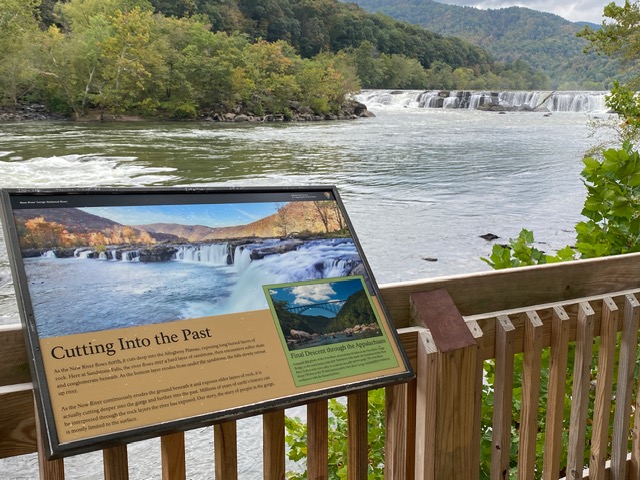
West Virginia is filled with mountain scenery, historic coal towns, and generations of Appalachian folklore.
New River Gorge National Park and Preserve is best known for its spectacular bridge, whitewater rafting, and rugged landscape. But the region’s industrial history also provides plenty of material for ghost stories.
Shannon discovered one of the park’s most interesting historic communities almost by accident during a family trip.
Thurmond: A Historic Railroad Ghost Town
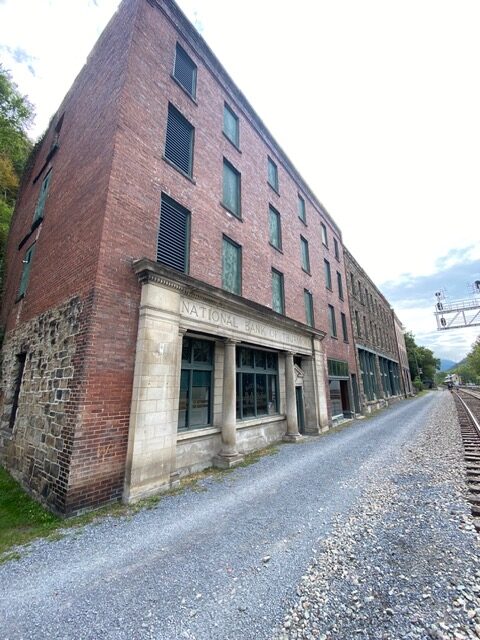
While attempting to find the New River Gorge Bridge, Shannon’s family followed their GPS and ended up in Thurmond.
The unexpected detour turned into a memorable experience.
During the early 1900s, Thurmond was a bustling railroad community where coal shipments and passenger trains supported a thriving local economy. Hotels, boarding houses, and businesses served railroad workers and visitors.
The town’s banks were once among the wealthiest in West Virginia.
But changes in railroad technology, declining mining activity, and the Great Depression contributed to Thurmond’s eventual decline.
Today, visitors can explore the preserved historic community. The National Park Service maintains a number of buildings, and the historic Thurmond Depot serves as a seasonal visitor center.
A working railroad still passes through town, adding to the atmosphere.
According to local paranormal stories, visitors have reported unexplained voices, shadowy figures, and the sensation of being watched.
Two particularly memorable legends involve a headless railroad conductor carrying a lantern and a phantom hitchhiker who supposedly appears along remote roads before mysteriously disappearing.
Jeremy was fascinated by both stories, although he made it very clear that he has absolutely no intention of picking up a phantom hitchhiker or boarding a train with a headless conductor.
One important planning note: The roads into Thurmond are narrow and winding. The National Park Service discourages bringing large vehicles or towing campers into the historic town. Leave your RV at the campground and explore in a smaller vehicle.
Sandstone Falls
Sandstone Falls is another beautiful destination with a spooky reputation.
A boardwalk provides access to views of the impressive waterfalls and surrounding landscape.
Visitors have reported hearing unexplained whispers, experiencing sudden drops in temperature, and seeing apparitions near the falls.
Of course, the natural scenery alone makes Sandstone Falls worth visiting. The paranormal stories simply add another layer of intrigue.
Where to Camp at New River Gorge
Adventures on the Gorge
Adventures on the Gorge offers a wide variety of accommodations, including RV camping, traditional campsites, glamping tents, cabins, and vacation homes.
The property also features recreational amenities such as a swimming pool, disc golf, and scenic overlooks.
One of the biggest advantages is the opportunity to book guided outdoor adventures, including whitewater rafting.
You can spend the day experiencing the thrills of the New River and then enjoy a ghost story around the campfire at night.
National Park Service Campgrounds
New River Gorge National Park and Preserve also offers several primitive camping areas.
These campgrounds provide a more rustic experience than a developed private campground. Many sites are first-come, first-served, with limited facilities and no hookups.
Access roads may be gravel or dirt, and not every campsite is suitable for an RV.
Campers should carefully review the specific campground’s access requirements, vehicle restrictions, and available amenities before arriving.
Safety Tips for New River Gorge
The New River is beautiful, but it can also be dangerous.
Strong currents, rocky banks, and sudden underwater drop-offs make swimming hazardous in many areas.
Visitors planning overnight boating or backpacking trips should consult park rangers and obtain appropriate trail and river maps.
Primitive campers should bring sufficient food, water, and supplies rather than assuming services will be available nearby.
Great Smoky Mountains National Park: Appalachian Ghost Stories and Unspoken Rules
Great Smoky Mountains National Park is one of America’s most beloved outdoor destinations. But the misty forests, historic settlements, and deep Appalachian storytelling traditions also make it one of the country’s most atmospheric places for ghost stories.
Jeremy has always felt that certain areas of the Smokies have an unusually mysterious quality, particularly Cades Cove.
Even during the daytime, fog drifting through the mountains and abandoned historic buildings can create an eerie feeling.
Shannon agrees, and she believes the Smokies are among the best destinations in the country for visitors interested in paranormal folklore.
The Unspoken Rules of Appalachian Folklore
Before sharing her favorite haunted locations, Shannon introduces several traditional warnings associated with Appalachian folklore.
These are regional legends and superstitions rather than established wilderness safety rules, but they certainly make for entertaining campfire conversation.
Never answer a familiar voice calling from the woods. According to folklore, a spirit or supernatural trickster may imitate someone you know in an attempt to lure you away from safety.
Don’t whistle at night. Some traditions warn that whistling after dark attracts the attention of unwanted spirits.
Pay attention when the forest suddenly becomes silent. Folklore interprets an abrupt absence of natural sounds as a warning that something unusual may be nearby.
Avoid wandering into the woods after dark. In these stories, nighttime belongs to the creatures and spirits that inhabit the forest.
Be cautious about unexplained screams. Appalachian legends sometimes associate strange cries with supernatural beings, although real wildlife can also make surprisingly human-sounding noises.
These traditions are part of a larger body of Appalachian folklore that includes mysterious creatures known as cryptids, such as Mothman, the Wampus Cat, and the Not Deer.
Whatever you believe about the supernatural, staying together, respecting wildlife, and avoiding unnecessary nighttime wandering are sensible precautions when camping in remote areas.
And if you’re tent camping deep in the Smokies, you may find that these stories sound considerably more frightening after the sun goes down.
Elkmont and Daisy Town
One of Shannon’s favorite historic locations in Great Smoky Mountains National Park is Elkmont.
The community began developing during the region’s logging era. In the early 1900s, wealthy families from Knoxville also began using the area as a mountain retreat, establishing vacation homes and social clubs.
When Great Smoky Mountains National Park was created, some property owners retained leases that allowed them to continue using their homes for a period of time.
Eventually, the buildings reverted to National Park Service ownership, leaving behind a collection of historic structures.
Today, the Daisy Town area offers visitors a chance to explore part of this former vacation community.
Shannon visited with a friend and remembers walking through historic houses where remnants of flooring and wallpaper were still visible.
With very few other visitors around, the experience was surprisingly eerie. Open doors moved in the breeze, and the abandoned buildings seemed to hold traces of the people who had once spent their summers there.
Levi Trentham Cemetery
Near Daisy Town, visitors can find the historic Levi Trentham Cemetery.
This small cemetery offers another reminder of the people who lived and worked in the Elkmont area before it became part of the national park.
Visitors should approach the cemetery respectfully and remain on permitted paths.
Avent Cabin and Jakes Creek Trail
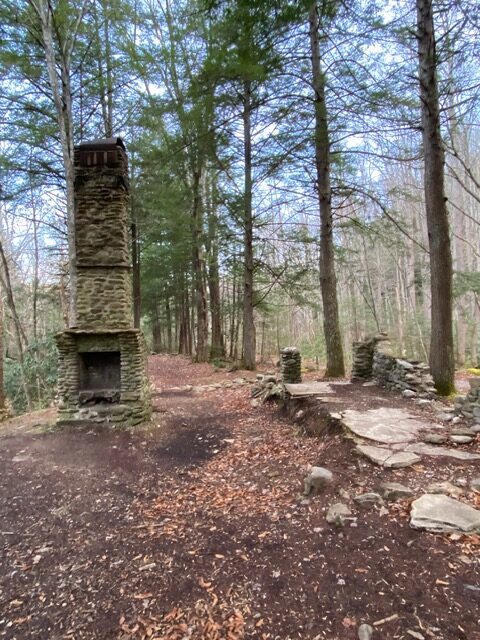
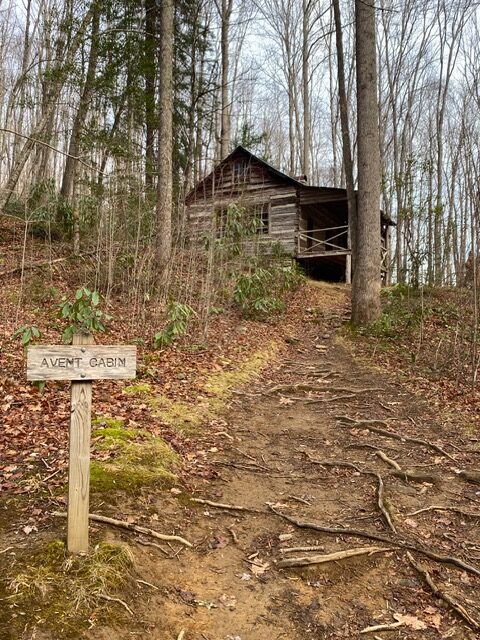
Shannon also recommends exploring Jakes Creek Trail, which provides access to the historic Avent Cabin.
The cabin was associated with artist Mayna Treanor Avent and remains an interesting piece of the area’s cultural history.
Shannon and her friend hiked to the cabin, crossing a wooden bridge that she remembers as one of the more intimidating parts of the adventure.
Visitors have reported strange sounds and unexplained voices around the cabin, adding to its paranormal reputation.
Even without those stories, the combination of forest scenery, historic architecture, and quiet mountain surroundings makes this a fascinating area to explore.
Where to Camp in Great Smoky Mountains National Park
Elkmont Campground
Elkmont Campground is the most convenient choice for visitors who want to explore Daisy Town and the surrounding historic sites.
The campground offers RV and tent sites, drinking water, and flush toilets.
There are no RV hookups or showers, and cellular service can be unreliable.
Reservations are available through Recreation.gov.
For campers who enjoy a traditional national park experience and don’t mind disconnecting from modern conveniences, Elkmont is an excellent base camp.
Little Arrow Outdoor Resort
Little Arrow Outdoor Resort offers a very different camping experience.
Located in Townsend, Tennessee, this upscale campground is one of our personal favorites in the Smokies.
The property offers RV sites along with glamping tents, tiny homes, cabins, and Airstream accommodations.
There are also organized activities and events throughout the year.
Little Arrow provides a comfortable place to return after a day of exploring historic sites and spooky mountain legends.
For travelers who prefer a little luxury after their ghost hunting, it’s hard to beat.
Crater Lake National Park, Oregon: Mysterious Lights and a Haunted Lodge
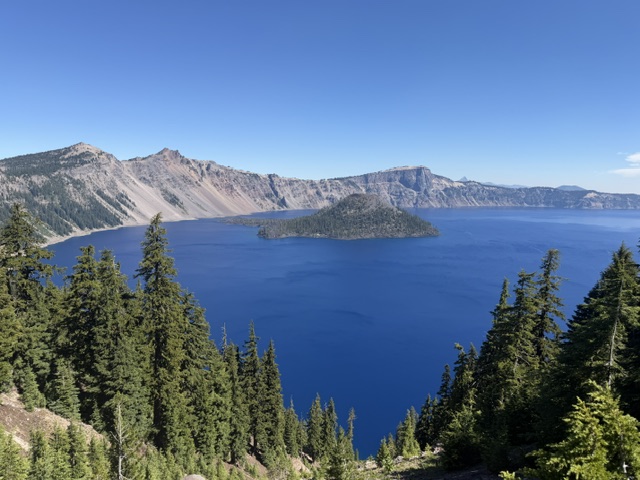
Crater Lake National Park might not immediately come to mind when thinking about haunted national parks, but its remote location and mysterious landscape make it a natural fit for Shannon’s list.
Shannon visited the park with her family during the summer and researched its paranormal stories before the trip.
Crater Lake was formed when Mount Mazama collapsed following a massive volcanic eruption thousands of years ago. The resulting caldera eventually filled with rainwater and snowmelt, creating the deepest lake in the United States.
At approximately 1,943 feet deep, the lake is famous for its extraordinary blue water and dramatic cliffs.
But the same isolation and depth that make Crater Lake beautiful also inspire stories about what might be lurking beneath the surface.
Wizard Island and Mysterious Campfires
Wizard Island is a volcanic island rising from Crater Lake.
According to local legends, visitors have reported seeing mysterious campfires glowing on the island even though campfires are prohibited there.
Shannon describes stories of park rangers investigating these reports without finding evidence of an actual fire.
The region also has a strong tradition of Bigfoot stories, and Crater Lake has inspired occasional tales of a mysterious lake creature.
Shannon notes that while her primary interest is ghosts, these stories fall within the broader world of paranormal folklore.
During her family’s visit, boat trips to Wizard Island were not operating. Visitors interested in reaching the island should check the current status of boat tours before planning their trip.
Crater Lake Lodge
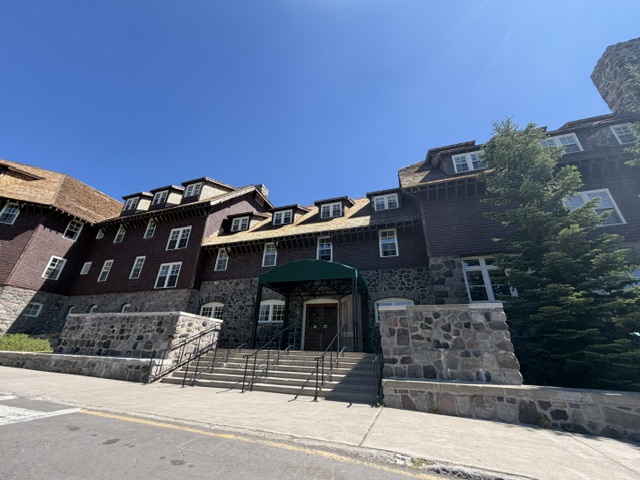
Historic national park lodges are some of the most atmospheric buildings in the country, and Crater Lake Lodge is no exception.
The lodge offers beautiful views of the lake, a dramatic great hall, a fireplace, and guest rooms overlooking the surrounding landscape.
But the historic property also has a reputation for unexplained activity.
Visitors have reported hearing footsteps in the second- and third-floor hallways, only to discover that nobody is there.
Others describe shadowy figures appearing in the great hall.
One of the lodge’s most memorable legends involves a mysterious chambermaid. According to the story, staff members have reported seeing a woman dressed in period clothing walking through the hallways while carrying keys that jingle as she moves.
For anyone who loves historic architecture and ghost stories, spending a night at Crater Lake Lodge could be an especially memorable experience.
Where to Camp Near Crater Lake
Mazama Campground
Mazama Campground is the primary developed campground within Crater Lake National Park.
It accommodates RVs and travel trailers, making it a convenient option for visitors who want to stay close to the park’s major attractions.
Reservations are strongly recommended, and campers should check seasonal operating dates and current campground availability.
Shannon also points out that there are many additional camping options outside the park. Because Crater Lake can be approached from different directions, it’s important to choose a campground that makes sense for your overall route.
Visitors should not plan to spend the night in an RV at a scenic overlook or ordinary parking area. Overnight camping is restricted to designated locations.
Safety Tips for Crater Lake
Crater Lake’s dramatic scenery comes with significant hazards.
Many overlooks and trails are located near steep drop-offs, so proper footwear and careful attention to trail conditions are essential.
Large RVs and trailers can be difficult to maneuver on narrow, winding roads, and some parking areas have limited space or no convenient turnaround.
Shannon recommends unhitching your tow vehicle before exploring the park whenever possible.
Visitors should also arrive with adequate fuel, food, and water. Services are limited, and meals inside the park can be expensive.
Weather is another major consideration. Crater Lake receives enormous amounts of snowfall, and snow can remain on the ground well into summer.
Even during July, road access and trail conditions can vary dramatically from year to year.
Which Haunted National Park Should You Visit First?
After exploring all five destinations, Jeremy asked Shannon which park she would recommend for someone hoping to have a paranormal experience.
Her first choice was Gettysburg.
The relatively concentrated battlefield area, extensive history of Civil War casualties, and abundance of reported hauntings make Gettysburg her top recommendation.
Great Smoky Mountains National Park came in second.
For Shannon, the Smokies combine historic settlements, deep forests, Appalachian folklore, and an extraordinary atmosphere.
Jeremy agreed that Gettysburg deserves a spot near the top, but he also considers the Smokies one of the eeriest national parks he has ever visited.
There’s something about the fog, the dense forests, the historic cabins, and the long tradition of Southern storytelling that makes the Smokies feel mysterious even during the day.
Of course, Death Valley’s abandoned mining towns, New River Gorge’s railroad legends, and Crater Lake’s historic lodge all offer compelling reasons to plan a spooky adventure of your own.
Planning a Safe Haunted National Park RV Trip
One of the most important themes throughout Shannon’s recommendations is that ghost hunting should never come at the expense of personal safety.
National parks contain real hazards, including extreme temperatures, dangerous water conditions, wildlife, steep terrain, limited cellular service, and remote roads.
A successful haunted RV road trip starts with the same preparation required for any other outdoor adventure.
Research park access and seasonal conditions before arriving. Carry adequate food, water, fuel, and emergency supplies. Download offline maps when traveling through areas with limited cellular coverage.
Pay particular attention to RV length restrictions and road conditions. A destination that is easy to reach in a passenger vehicle may be completely unsuitable for a large motorhome or a truck towing a travel trailer.
And always respect park hours, closed areas, historic structures, cemeteries, and private property.
If you want to experience a historic location after dark, look for an authorized ranger program or organized ghost tour rather than attempting to explore restricted areas on your own.
You can enjoy a wonderfully spooky adventure without creating an actual emergency.
More Haunted RV Road Trips with Shannon Minner
This episode marks Shannon’s fourth annual Halloween visit to The RV Atlas, and her haunted road trip series has become one of our favorite October traditions.
Previous episodes have explored ghost-hunting tours and tips, haunted destinations paired with books, and haunted bars and restaurants near camping locations.
The combination of RV travel, history, folklore, and practical campground recommendations makes these episodes fun for believers and skeptics alike.
Shannon is already thinking about future paranormal adventures, including historic national park lodges and other famously haunted destinations.
If you have your own ghost story from a national park or campground, you can connect with Shannon on Instagram at @thecampinglibrarian. She loves hearing about unusual experiences and seeing photographs from fellow travelers.
Whether you’re planning a Halloween getaway or simply want to add a little mystery to your next national park adventure, these five destinations offer fascinating history, memorable scenery, and plenty of stories to share around the campfire.
Just remember to bring your flashlight, check the weather, and maybe think twice before answering that mysterious voice calling your name from the woods.
We’ll see you at the campground.