Interlochen State Park Campground Review: A Classic Michigan State Park Near Traverse City
On this week’s episode of The RV Atlas podcast, we’re back with the second installment in Casita Dean May’s epic three-part Michigan series—and this one takes us right into the heart of one of our favorite summer RV regions in the entire country: the Traverse City area. Last week, Dean walked us through Holland State Park. This week, he’s bringing us to Interlochen State Park, a campground that sits between two lakes, feels delightfully old-school, and offers an easy home base for exploring everything we love about Traverse City: beaches, breweries, coffee, small-town charm, and those long summer days that make you wish you could bottle August and save it for February.
To listen to our interview with Casita Dean May please click on the media player above or subscribe to the RV Atlas podcast wherever you get your favorite shows.
Why the Traverse City Area Feels Like “One of the Best Places in America”
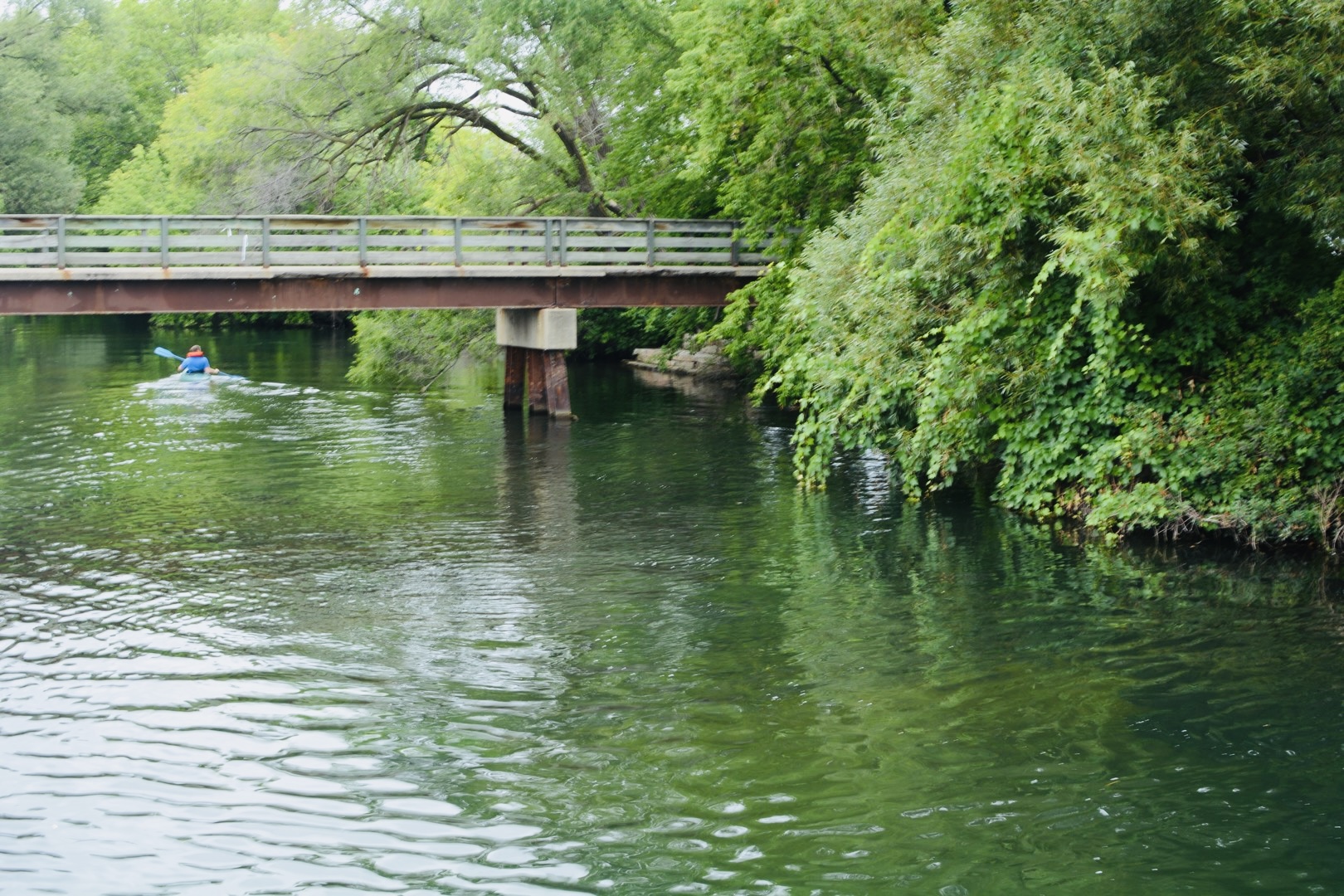
Before we get into campsite loops and electrical hookups, we need to say out loud what we said in the episode: the Traverse City area has that rare “I could live here” energy. It’s not just beautiful—it’s livable. It’s the kind of place where you can imagine a slower, seasonal rhythm: summer on the water, fall color drives, and then maybe you escape the deep winter and come back when the cherries blossoms bloom.
Dean and Laura even joked that they used to chuckle at the idea of being snowbirds… until Michigan made the case for it. Spend eight or nine months somewhere like Traverse City, Holland, or Petoskey, then head south for the hardest part of winter? That’s not a bad plan at all.
Where Interlochen State Park Is Located
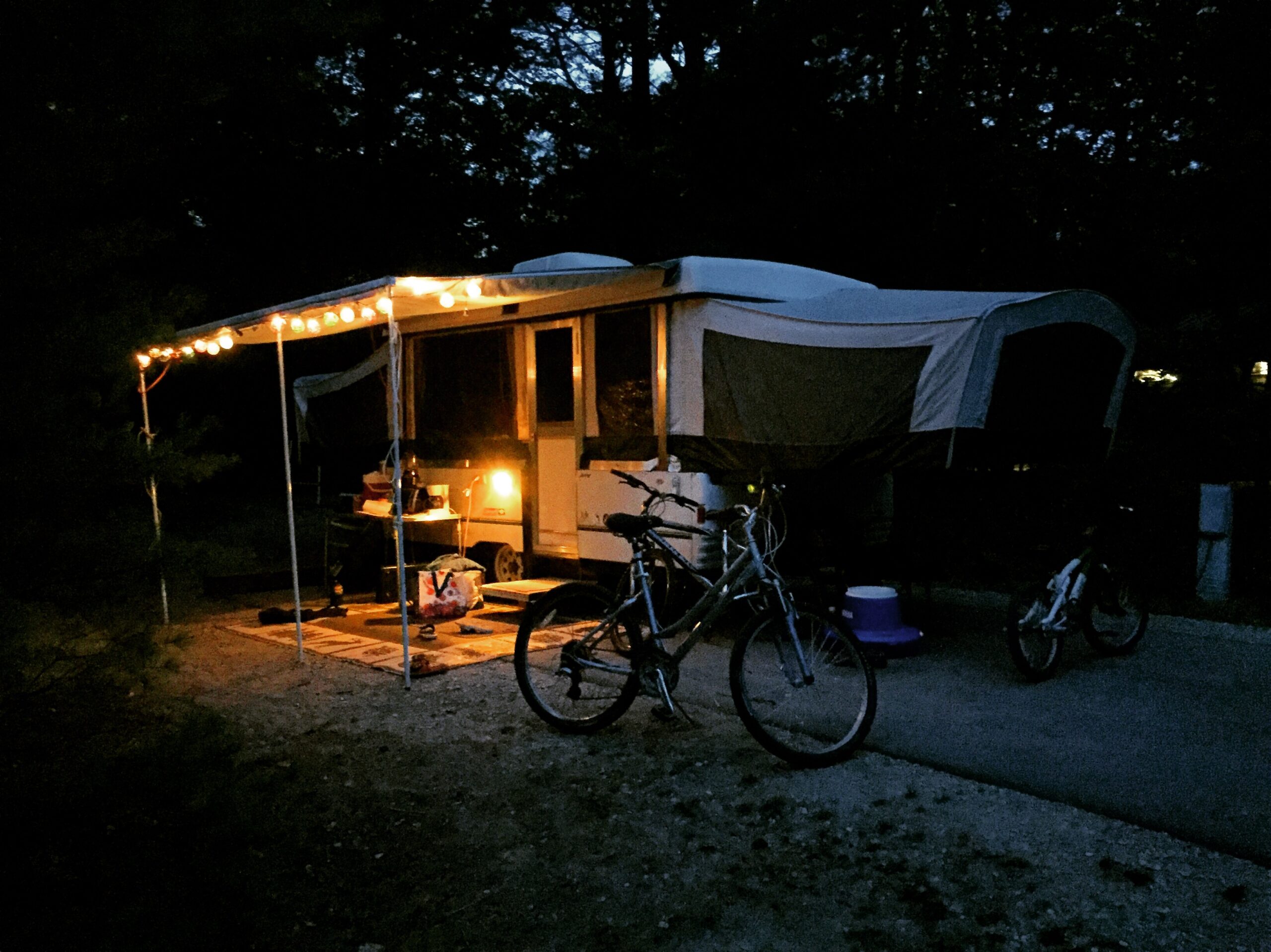
Interlochen State Park is located about 15 miles from Traverse City, near the tiny community of Interlochen (we’re talking 500–700 people). It sits between Duck Lake and Green Lake, which gives the park its signature feel: water is always nearby, the air feels fresh, and the whole campground experience is wrapped in trees and shade.
Dean and Laura headed north from Holland and took the direct route (they were meeting family), but whether you meander up US-31 along the coast or head inland, Michigan has one major advantage for RV travelers: you’re never far from another great state park. Dean put it perfectly—drive 30 minutes, and you’ll probably “bump into” another state park.
Interlochen’s Secret Superpower: A World-Class Arts Scene
Here’s one of the coolest “wait, what?” details from this stop: for a town that small, Interlochen has an enormous cultural footprint because it’s home to the Interlochen Center for the Arts, an internationally recognized institute for young musicians, dancers, and performers.
In the summer, the arts center hosts rehearsals and performances—sometimes outdoors—and Dean described how you can even hear music “wafting” through the campground during peak season. Even if you’re not planning your trip around a concert, the idea that a world-class arts community is tucked into this small slice of northern Michigan is part of what makes this region feel so special.
Two Campgrounds in One Park: Green Lake vs. Duck Lake
Interlochen State Park is one of those parks we love because it gives you two distinct camping experiences within the same destination.
Green Lake: Rustic and Quiet
The Green Lake campground is the rustic option. It has two loops and 52 sites, and it’s surrounded by trees—including some of the park’s notable stands of virgin pine. If you love that classic, simple state park feel and you don’t need electricity, this is the “walk the loop and feel like you’re in the woods” kind of campground.
Dean was candid here: they didn’t stay on the Green Lake side because they don’t do rustic camping. But it’s a great option for RVers and tent campers who want quieter loops and lower nightly costs.
Duck Lake: The Modern Campground (and the One Dean Chose)
The Duck Lake campground is the “modern” side, and it’s much larger—392 sites split between a North Loop and a South Loop.
The North Loop offers both 30-amp and 50-amp electric, has about 20 pull-through sites, and includes several paved sites. The South Loop is 30-amp only, has just four pull-throughs, and includes about a dozen paved sites if you want that option.
Even in the modern campground, Dean emphasized that you still get that Northern Michigan tree cover. In fact, he said it can be easier to find shade than sun—which is exactly what many families want in the heart of summer.
Quick Clarification on Hookups (Because This Matters)
At Interlochen the “modern” campground is electric with easy access to water spigots, not water at the site. Dean clarified that there are water spigots spaced throughout the campground—about every 50 yards or so—making it easy to fill a jug or top off tanks, even though you’re not connected directly at your site.
For many RVers, that’s still a great setup: you can run the air conditioner if needed, and you can hit the dump station when it’s time to move on.
Cabins and “Rent-a-Tents” for Non-RV Friends
We love state parks that offer alternatives for friends or family who want to join the trip without owning an RV. Interlochen has a few options, especially on the Duck Lake side.
Dean noted that there are three camper cabins in the modern campground. He described them as somewhat rustic in style, but still equipped with electricity and useful basics like heat, a refrigerator, microwave, and coffee pot.
There are also two “rent-a-tents” on platforms that sleep up to six (with bunk beds and cots). They include electricity and lighting, but you bring your own bedding and cookware. These are a great option for families who want the camping experience without investing in all the gear.
Rates: Classic State Park Pricing
One of the most jaw-dropping parts of this episode was the pricing—because these are the kinds of rates many of us remember from when we first started camping.
-
Rustic sites: $20/night
-
Modern campground: $32/night (30 amp) and $37/night (50 amp)
-
Camper cabins: $120/night
-
Rent-a-tents: $60/night
Dean called this “very reasonable,” and we agree. Even with electric-only camping, those rates are outstanding for a summer destination with lakes, shade, and easy access to a world-class vacation town like Traverse City.
What It’s Like to Camp Here
Dean described Interlochen as a traditional, old-school campground—in the best possible way. Walking the loops feels like a nature walk. Trees surround you. You can catch glimpses of the lake. The vibe is simple, classic, and comfortable.
He also shared that the bathhouse was solid: clean, utilitarian, nothing fancy, nothing awful. Exactly what most of us expect at a state park campground.
Cell service was good (Dean has AT&T), and there’s no campground Wi-Fi—which, honestly, feels pretty normal for state park camping and might be a bonus depending on your vacation goals.
One Insider Tip About “Lakefront” Sites
Dean shared a really helpful “manage your expectations” note: if you book a site labeled “lakefront,” be clear on what that actually means here.
At the Duck Lake campground, you may have a view of the water, but you generally don’t step from your site directly onto the beach. Instead, there are access points at the ends of loops that lead down to a more primitive beach area.
It’s not a negative—it’s just the kind of detail that can prevent disappointment if you’re imagining a private shoreline behind your picnic table.
What to Do in Interlochen
Even though Interlochen is tiny, Dean pointed out that it still offers what RV travelers need: coffee, casual food, and grocery supplies.
He mentioned Bud’s Coffee, Ice Cream & Food as a great stop for coffee and a vibe check—and potentially a perfect family option after a day out exploring. He also called out Mimi’s Taqueria, a family-owned Mexican spot that looked like a great taco stop.
And for groceries (because we’ve all had the “we forgot that one thing” moment), Dean was impressed with Tom’s Food Market, a full-service grocery store that’s surprisingly robust for such a small community.
Traverse City: Start With the Water, Then Let the Day Unfold
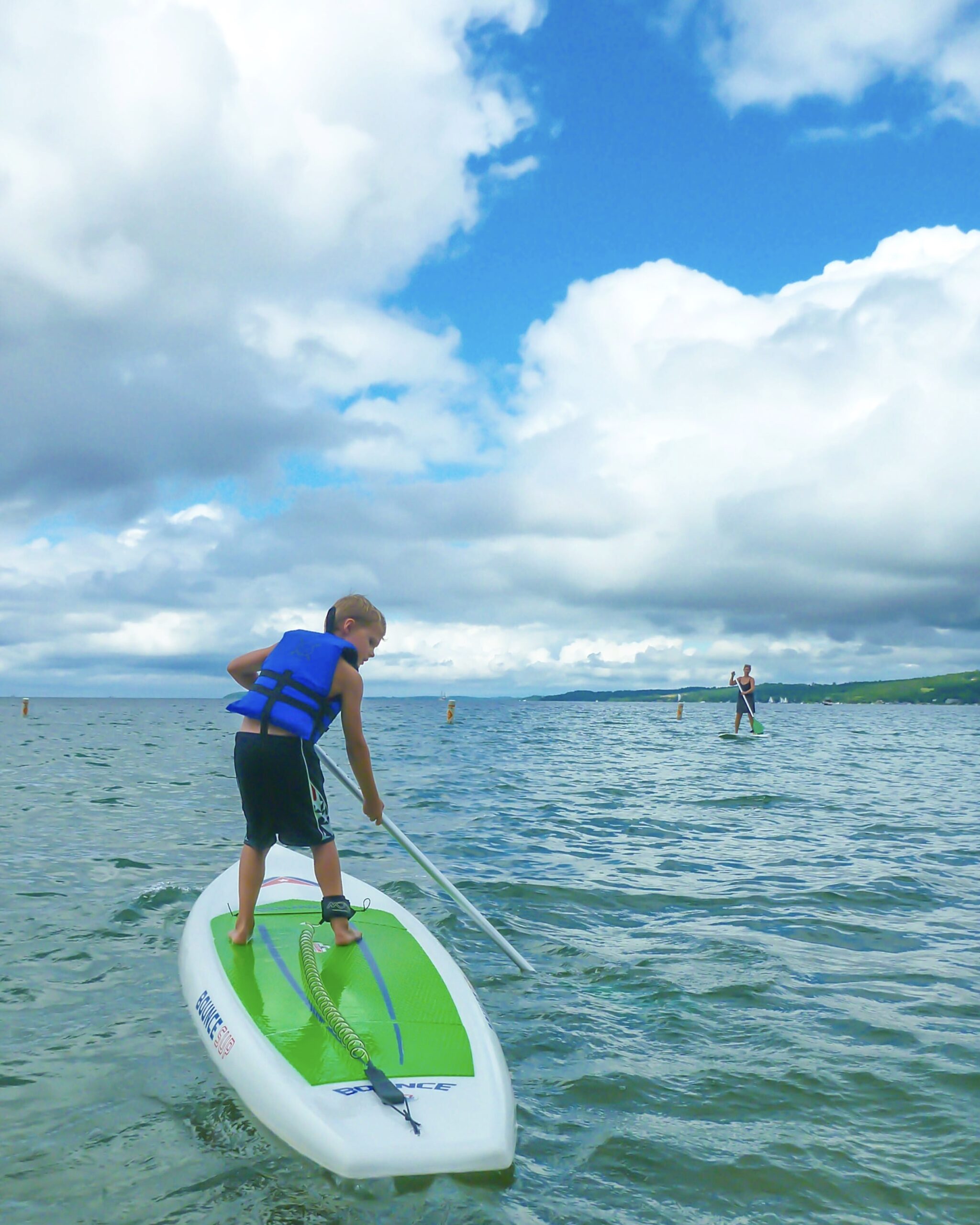
Dean’s strategy for Traverse City was exactly how we like to do it: start at the waterfront, walk the parks, and then drift into town for food and drink.
He recommended spending time near Clinch Park and West End Beach Park, where there’s a paved walkway, access points down to the water, and that “I can’t believe this is Michigan” Great Lakes feeling.
Then, after you’ve had your fill of water views, you cross back toward town and suddenly you’re in the middle of Traverse City—shops, restaurants, breweries, coffee, and everything else that makes this place hum in the summer.
Traverse City itself has about 16,000 residents, which surprises many people because it feels bigger. But it’s part of a broader four-county region of about 150,000 people—and then summer tourists flood in, creating that lively vacation energy without losing the small-town charm.
Old Mission Peninsula: A Perfect Summer Day
This is the moment in the episode where we basically got poetic—because Old Mission Peninsula is that kind of place.
The peninsula stretches 18 miles long and about three miles wide, jutting into the bay with wineries, parks, stunning views, and a pace that practically forces you to slow down. Dean and Laura spent a full day here, and it’s easy to understand why.
Dean stopped at Bowers Harbor Park (a fun personal detail because it connects to Laura’s maiden name), noted the pickleball courts, and walked over to Bowers Harbor Vineyards, where they bought bottles to bring back.
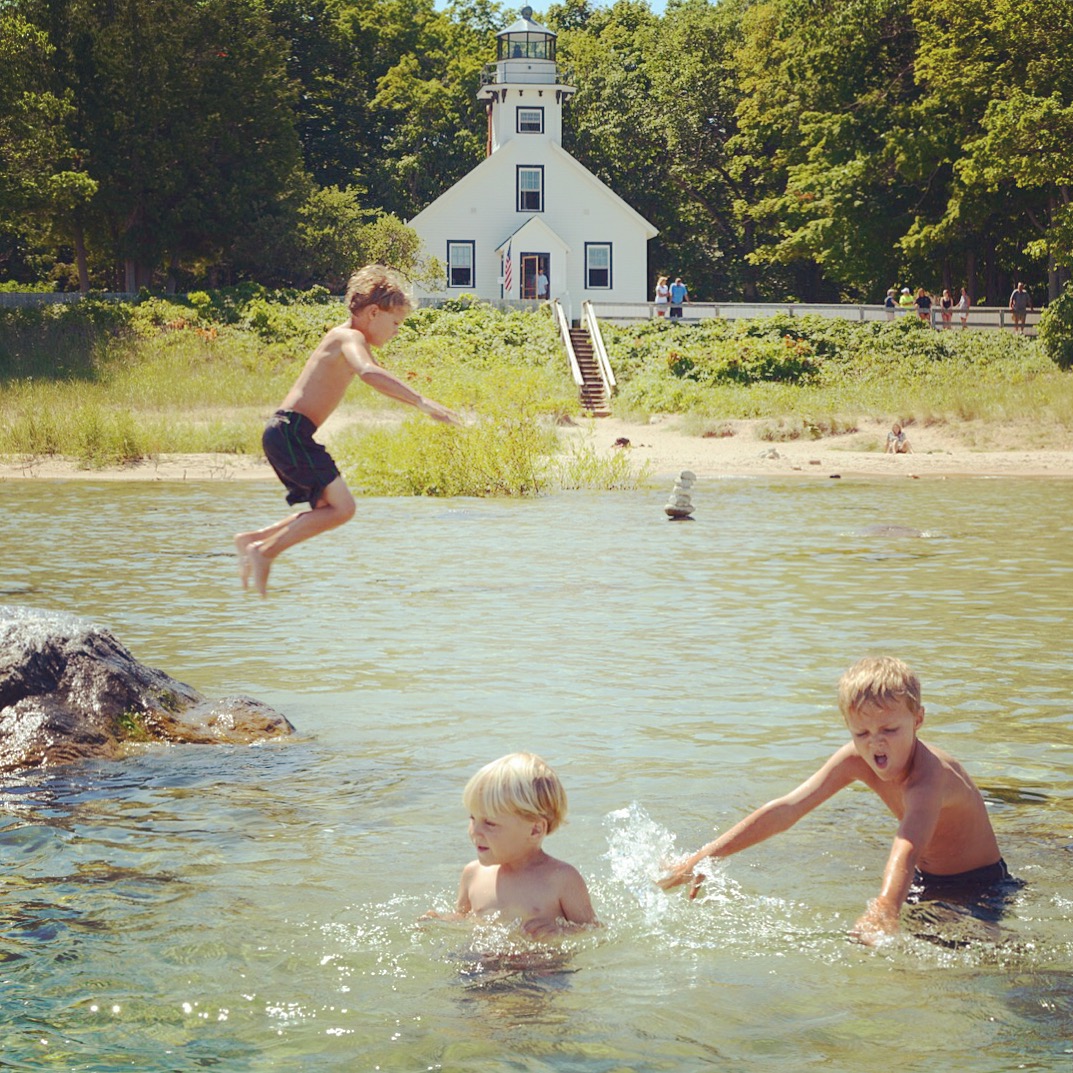
Farther up the peninsula, the day gets even better at Mission Point Lighthouse, where you can tour, explore a log cabin, and—if you’re traveling with kids—find the kind of rocks that basically demand jumping into the water. This is classic Northern Michigan summer energy: swim, lighthouse, winery, food, repeat.
We said it on the show and we’ll say it again: Old Mission Peninsula is one of the most magical places in the country to spend a summer day. Take your time. Relax. Let it be an escape.
Traverse City Food and Drink: One Easy “Everyone’s Happy” Option
If you’re traveling with a group—or anyone who can’t agree on dinner—Dean offered a very simple solution: The Little Fleet.
It’s a permanently set-up food truck court with a brewery/pub anchor and a U-shaped layout of food trucks around an open seating area. You don’t have to negotiate one restaurant choice. Someone can get tacos, someone can get pizza, someone can grab a smoothie, someone can go full hot-dog mode.
Dean specifically mentioned enjoying an Asian dish from The Crocodile Palace with a beer under the picnic tables—comfortable temps, a little shade, and that easy summer rhythm that makes food truck courts feel like vacation.
A Few Extra Traverse City Details We Love
Dean mentioned one of those delightfully silly roadside-style attractions that makes travel fun: Traverse City’s claim to the world’s largest cherry pie pan. The twist? Another town farther north claims the same thing. So apparently there’s a friendly “largest pie pan” rivalry happening in Michigan, which feels very on brand for a state that takes cherries seriously.
And yes—Traverse City really is cherry country. That theme shows up everywhere, and it’s part of what makes the region feel distinct.
If We Went Back: What Would We Add Next Time?
Dean said something we completely agree with: of the three regions on this Michigan trip, the Traverse City area is the one that demands more time. Three full days isn’t enough—not if you want to do it right.
If he returned, the first stop on his list would be the Leelanau Peninsula (sometimes called “the little finger”), which is packed with small towns like Leland and Glen Arbor, wine trails, beaches, inland lakes, and of course Sleeping Bear Dunes National Lakeshore.
He also rattled off what makes Traverse City irresistible: dozens of coffee roasters, a brewery scene that could fill your whole trip, independent pizza shops, donut stops for morning traditions, and enough day trips to stretch a one-week vacation into two.
Final Thoughts
Interlochen State Park is exactly what we want a state park campground to be: affordable, scenic, wooded, and close enough to a great destination town that you can do big adventures during the day and come home to quiet loops at night.
Interlochen State Park may not have full hookups, but the electric access (plus easy water spigots) makes it comfortable for RVers, and the overall vibe feels like classic summer camping. Add in Traverse City’s beaches, breweries, and coffee culture—and the day trip magic of Old Mission Peninsula—and this becomes the kind of RV destination you dream about in January.
Next week, we’ll wrap up the Michigan trilogy as Dean heads north to Petoskey for the final episode—nine nights at Magnus Park, the main event of his Michigan trip.
We’ll see you at the campground!